Rethink Hydration: Why 8 Glasses of Water Daily is a Myth
The popular advice to drink eight glasses of water daily is a myth, lacking scientific evidence. Your body's thirst mechanism is the best guide to hydration needs, which vary greatly by individual factors. Overhydration can be dangerous, leading to conditions like hyponatremia.

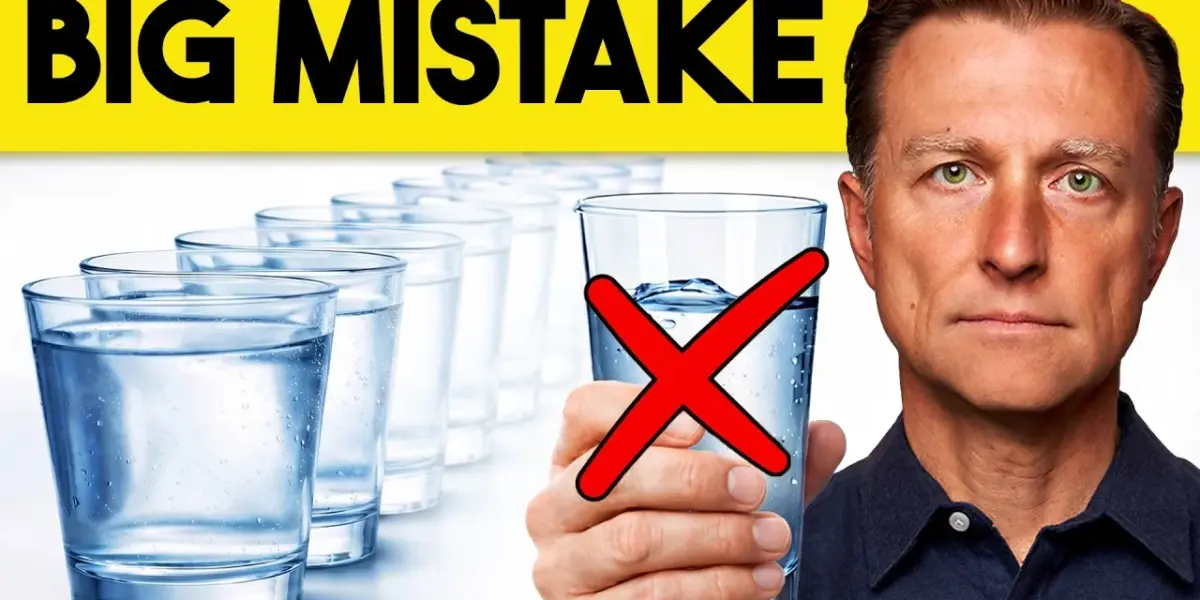
Rethink Hydration: Why 8 Glasses of Water Daily is a Myth
The common advice to drink eight glasses of water a day is a widely accepted health guideline, but it lacks scientific backing. This popular notion stems from a misinterpretation of a 1945 report, not from rigorous scientific study. Our bodies have a natural way of signaling when we need fluids: thirst.
In 1945, the Food and Nutrition Board of the National Research Council suggested a daily fluid intake of 2.5 liters for adults. This recommendation, however, included fluids from all sources, not just plain water. Crucially, the report noted that most of this fluid is found in prepared foods.
Understanding Fluid Intake Sources
The average person gets a significant amount of fluid from the food they eat. Fruits and vegetables are particularly good sources, with items like apples being 86% water and cucumbers 95% water. Even foods like steak contain about 60% water.
Beyond food, our bodies also produce water internally through a process called metabolism. This metabolic water can contribute over a liter of fluid each day. These factors mean that the need for drinking plain water can vary greatly from person to person.
Factors Influencing Hydration Needs
Individual hydration needs are influenced by many variables not accounted for in the simple eight-glasses rule. These include body weight, with larger individuals needing more fluid. The amount of physical activity a person engages in also plays a significant role; someone exercising for two hours daily will require more water than a sedentary person.
Environmental factors and diet also matter. Living in a hot climate or consuming beverages with a diuretic effect, like coffee or alcohol, can increase fluid loss. These complexities show why a one-size-fits-all recommendation for water intake is not practical.
The Origin of the Eight-Glasses Rule
The popularization of the eight-glasses-a-day rule is often linked to Dr. Frederick Stare, a former chairman of nutrition at Harvard University. He suggested that fluids from beverages like coffee, tea, milk, and even beer could count towards daily intake. This broader view of fluid sources was largely overlooked in the subsequent adoption of the simple eight-glasses guideline.
In 2002, Dr. Heinz Valtin, a kidney specialist, reviewed existing scientific literature to find evidence supporting the eight-glasses rule. His comprehensive review found no scientific studies that validated this specific daily water intake recommendation. This finding highlighted the lack of empirical data behind a widely followed health advice.
Listen to Your Body: The Role of Thirst
The body’s natural thirst mechanism is a reliable indicator of hydration needs. When you feel thirsty, it’s your body’s signal that it requires more fluid. Ignoring thirst and forcing yourself to drink can disrupt this natural process.
When the body begins to lose fluid, a hormone called vasopressin signals the kidneys to conserve water. This is part of the body’s adaptive system, which has evolved to manage periods of water scarcity. Overriding this system by drinking constantly can lead to an imbalance.
The Dangers of Overhydration
While dehydration is a concern, overhydration can be equally, if not more, dangerous. A condition known as hyponatremia, or dangerously low sodium levels in the blood, can occur from drinking too much water too quickly. This can dilute the body’s sodium, leading to serious health consequences.
A tragic example occurred in 2007 when Jennifer Strange died from water intoxication after participating in a radio contest that required drinking a large amount of water in a short period. Studies have also shown that a significant percentage of marathon runners can develop hyponatremia, with some research indicating more athletes are injured from overhydration than dehydration annually.
Water Quality Matters
The quality of the water we drink is also an important consideration. Tap water can contain various chemicals and byproducts, some of which are not regulated by environmental agencies. Using a water filter is often recommended to remove potential contaminants.
Water softeners remove essential minerals like calcium and magnesium. Some research suggests that drinking water with natural mineral content, like well or spring water, may be associated with a lower risk of heart attacks. This indicates that not all water is created equal when it comes to health benefits.
Key Health Takeaways
- The advice to drink eight glasses of water daily is not based on scientific evidence.
- Listen to your body’s thirst signals as your primary guide for hydration.
- Fluid needs vary based on factors like weight, activity level, climate, and diet.
- Getting fluids from food and other beverages contributes to your daily intake.
- Drinking too much water can be dangerous, potentially leading to hyponatremia.
- Consider the quality of your water and use filters if necessary.
This information applies to most healthy adults. However, individuals with specific medical conditions, such as kidney disease or heart failure, should always consult their doctor regarding appropriate fluid intake. This article is for informational purposes and does not constitute medical advice.
For personalized hydration advice, always speak with a healthcare professional.
Source: Why Drinking 8 Glasses of Water Per Day is a Myth (YouTube)

Related Articles

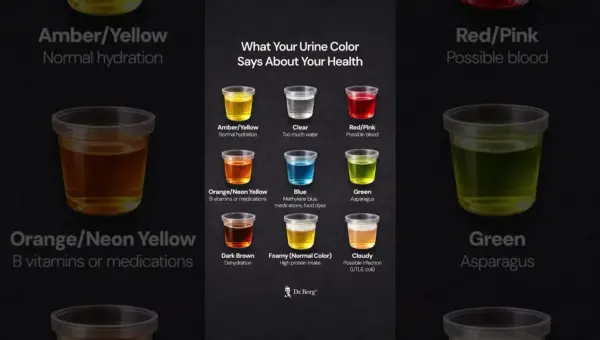
Urine Color: Your Body’s Simple Health Signal
Your urine color can offer simple clues about your health and hydration levels. Learn what different shades and appearances might mean and when to consult a doctor.


Hydration Unveiled: The Truth About ‘Pure Water’
Discover what 'pure water' truly means and why the minerals found in regular tap and bottled water are essential for your health. Learn how to make the best hydration choices.

The Hidden Dangers of Drinking Too Much Water
While staying hydrated is crucial, drinking too much water, especially after exercise, can lead to dangerous electrolyte imbalances like hyponatremia. Learn how to maintain proper hydration without the risks.