Hungary Votes: Orban’s Illiberal Democracy Tested
Victor Orban has secured another term as Hungary's leader, continuing his 'illiberal democracy' model. This approach prioritizes majority rule and national interests, often challenging traditional democratic guardrails. Orban's victory has implications for the wider European Union and global trends in nationalism.


Hungary Votes: Orban’s Illiberal Democracy Tested
Hungary held an election last weekend, and the results are being watched closely by many around the world. Victor Orban, who has led the country since 2011, secured another term.
His political style is often described as ‘illiberal democracy,’ a term he himself uses. This approach suggests a system of governance that focuses on majority rule without the traditional limits found in many Western democracies.
Orban’s ‘illiberal democracy’ model means prioritizing national interests and the will of the majority, even if it means weakening independent courts, a free press, or checks on government power. This approach has drawn criticism from international bodies and leaders who believe it undermines fundamental democratic principles like the rule of law. Orban’s supporters, however, often see him as a strong leader defending Hungary’s sovereignty and cultural identity against outside influences.
Motivations and Ideology
Victor Orban’s political movement has centered on a vision of Hungary that is independent and culturally distinct. He often speaks about protecting traditional Christian values and national sovereignty. His government has implemented policies aimed at increasing birth rates, supporting families, and maintaining what he views as Hungary’s unique character.
His administration has also taken a firm stance on immigration, aligning with a broader European trend of increased skepticism towards large-scale immigration. This has been a key part of his appeal to a significant portion of the Hungarian electorate. Orban’s critics argue that these policies often come at the expense of minority rights and democratic freedoms.
International Connections
Orban’s political stance and rhetoric have found resonance with certain political figures in other countries. He has been noted as an ally of former US President Donald Trump and is seen as a figurehead for similar nationalist and populist movements emerging in Europe. This has led to a perception of a growing alignment between these different political forces on the international stage.
His government has also maintained a complex relationship with the European Union. While Hungary is a member state, Orban has frequently clashed with EU institutions over issues such as rule of law, judicial independence, and migration policies. These disagreements have sometimes led to disputes over EU funding and political influence within the bloc.
Global Impact
The continued leadership of Victor Orban in Hungary has implications beyond its borders. It reinforces a trend seen in various parts of the world where nationalist and populist leaders are gaining or maintaining power. This challenges the established post-World War II international order, which has often been based on liberal democratic values and multilateral cooperation.
Orban’s electoral success can be seen as a sign of continued public support for his vision of a strong, sovereign nation. It suggests that the appeal of leaders who prioritize national identity and challenge established international norms remains strong. This could encourage similar political movements in other nations looking for alternative governance models.
Historical Context
Hungary has a long history of grappling with questions of national identity and sovereignty, particularly in the 20th century. After decades under Soviet influence following World War II, Hungary embraced democracy in 1989. The current political debates echo earlier struggles to define Hungary’s place in Europe and its relationship with both Western democracies and its own historical traditions.
The concept of ‘illiberal democracy’ itself is a modern interpretation of older debates about how a nation should govern itself. It questions whether the Western model of liberal democracy is the only valid form of governance. Orban’s approach suggests a belief that a nation can be democratic by respecting the majority will while also prioritizing national distinctiveness and strong leadership.
Future Scenarios
One possible future scenario is that Orban’s government will continue to navigate its relationship with the EU, potentially leading to further friction but remaining within the bloc. Hungary’s economic ties to the EU are significant, making a full break unlikely in the short term. This path involves ongoing political battles over policies and values.
Another scenario involves the continued strengthening of ties with non-EU nations and political movements that share Orban’s vision. This could lead to a more consolidated bloc of nations advocating for a different approach to global governance. The success of such alliances will depend on various factors, including economic conditions and political developments in each country.
The next parliamentary elections in Hungary are scheduled for 2026.
Source: Hungary #shorts (YouTube)

Related Articles

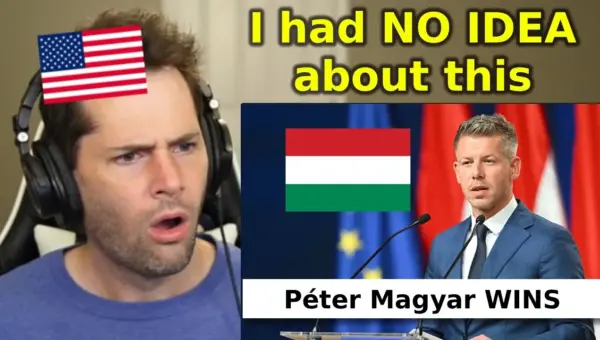
Hungarian Election Shakes Europe: What It Means Now
Hungary's recent election ousted long-time Prime Minister Victor Orban, signaling a significant shift in European politics. The vote, driven by voter frustration over corruption and isolation, saw Peter Majar's party win decisively. This outcome has major implications for Ukraine and challenges the influence of Trump-aligned movements across Europe.
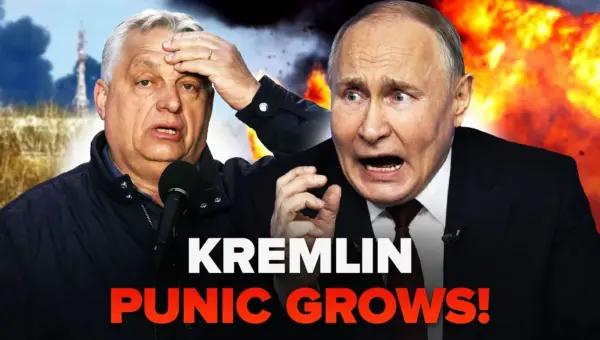
Hungary Ousts Putin Ally; Ukraine Ups Drone Strikes
Hungary's election ousts Viktor Orbán, a key ally of Vladimir Putin, signaling a shift in European politics. Meanwhile, Ukraine has increased its drone strikes into Russia, surpassing Russian attacks for the first time since the war began. Reports also suggest U.S. pressure on Ukraine regarding territorial concessions in exchange for security guarantees.

Maddow: Trump’s Hungary Ties Raise Security Concerns
The Rachel Maddow Show on April 13, 2026, raised serious national security concerns regarding Donald Trump's relationship with Hungarian Prime Minister Viktor Orbán. Maddow detailed Orbán's authoritarian actions and his alignment with Russia, questioning the potential risks to U.S. alliances and global stability.