Shocking Foods Banned for Your Health!
From snacks that cause digestive distress to drinks that can harm your heart, some foods have been banned for being too unhealthy. Discover the surprising items that have been outlawed for public health reasons.

Unhealthy Foods That Got the Boot
Some foods are so bad for us they’ve actually been outlawed. From snacks that cause digestive nightmares to drinks that mess with your heart, we’re counting down the grub that got banned.
Olestra Snacks: The Leaky Problem
Remember those fat-free chips from the late ’90s? They used an artificial fat called Olestra. While it cut calories, it caused major stomach cramps and, famously, anal leakage.
It also blocked good vitamins. By 2000, sales dropped by half, and these chips are now history.
Energy Drinks: Too Much Kick?
In the U.S., anyone can grab an energy drink. But many countries are worried about kids drinking too much caffeine and sugar. Countries like Lithuania, Latvia, and Poland have banned sales to people under 18.
France, Italy, and Sweden don’t allow them in schools. England even proposed banning them for anyone under 16. One can can have more caffeine than two shots of espresso, which can seriously affect a child’s heart.
Blood Clams: A Hepatitis Risk
These mollusks have red blood like humans, which helps viruses like hepatitis A survive inside them for months. They’re popular in East Asia, especially China, where they’re sometimes grown in dirty water.
Blood clams were banned in Shanghai after a 1988 hepatitis outbreak killed 31 people. Importing them into the U.S. from Asia is illegal.
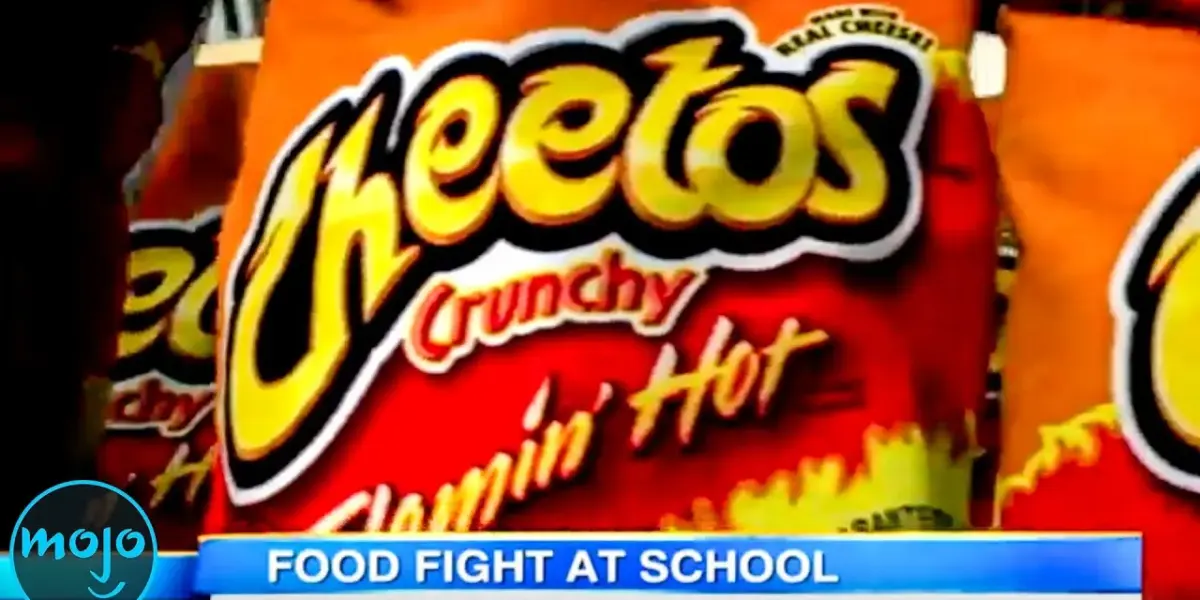
Flaming Hot Cheetos: Schoolyard Ban
This spicy snack is super popular but also ultra-processed. In the early 2010s, schools in California, Illinois, and New Mexico started banning them. They were messy and unhealthy, with lots of fat and sodium.
Plus, they contain artificial dyes that are being removed from U.S. food by 2025. PepsiCo is already making dye-free versions.
Original Four Loko: The Dangerous Mix
The original Four Loko, released in 2005, mixed alcohol with as much caffeine as two Red Bulls. This dangerous combo made it hard for people to know how drunk they were, leading to many hospitalizations for alcohol poisoning.
States and universities started banning it, and by 2010, the FDA ordered companies to remove the caffeine. Today’s Four Loko is caffeine-free.
Unpasteurized Cheese: Bacteria Beware
Cheese made from raw milk, like some authentic Camembert and Brie, can carry dangerous bacteria like Listeria. These bacteria don’t always change the taste or smell.
While France considers them a local favorite, Australia has banned them since the 1940s. In the U.S. and Canada, they can only be sold if aged over 60 days, but even that doesn’t always kill the germs.
Casu Marzu: Maggots Included
This Italian sheep cheese from Sardinia is banned in the U.S. and EU. It’s intentionally infested with live maggots from cheese flies. The worms digest the cheese, making it soft and squirming.
Eating it can cause severe digestive problems and parasitic infections. It was named the world’s most dangerous cheese in 2009. It’s illegal to sell in Italy, but has a black market in Sardinia.
Absinthe: The ‘Green Fairy’ Myth
This strong green spirit got a bad rap in the late 1800s and early 1900s. It was wrongly believed to cause hallucinations and violent behavior.
This led many countries, including the U.S. in 1912, to ban it. While studies later showed it wasn’t hallucinogenic, some places, like a few towns in New Zealand, still have bans.
Trans Fats: Heart’s Worst Enemy
Artificial trans fats, found in partially hydrogenated oils, are terrible for your heart. They raise bad cholesterol and lower good cholesterol. Studies show replacing them can cut heart disease risk in half.
Because of this, artificial trans fats are banned or heavily regulated in most developed countries. The FDA banned them completely in the U.S. in 2018.
Raw Milk: A Health Debate
Raw milk, which isn’t pasteurized to kill bacteria, is controversial. Supporters say it has good enzymes, but health experts warn it can carry deadly germs. Pasteurization heats milk to kill harmful bacteria.
Raw milk has caused many disease outbreaks over the years. In the U.S., it’s banned from sale across state lines since 1987, and less than half of states allow it in stores.
Source: 10 Foods So Unhealthy They Got BANNED (YouTube)

Related Articles
UK Sofas Among World’s Most Toxic: Report Reveals Hidden Dangers
New research reveals that UK sofas are among the most toxic globally due to stringent fire safety regulations mandating the use of harmful flame-retardant chemicals. These chemicals have been linked to serious health issues, including cancer and infertility. While regulatory changes are now being considered, the legacy of these toxic substances in homes will persist for decades.


US Food Lags Europe: Why Do We Eat What Others Ban?
A critical look at why Americans consume foods banned in Europe reveals a stark contrast in regulatory philosophy and labeling standards. From imitation cheese to vague ingredient lists, the U.S. food system prioritizes cost and shelf-life over stringent safety and authenticity, leaving consumers in the dark about what they're truly eating.


Microplastics Invade Our Bodies: Public Reacts to Food Safety Concerns
Everyday Americans are increasingly aware of and concerned about microplastics found in their food and bodies. Public reactions reveal shock, helplessness, and distrust in corporate motives, alongside a cautious hope for government action to ensure food safety for future generations.