Trump’s NATO Threats Spark European Defense Fears
Former President Donald Trump's sharp criticism of NATO and threats to withdraw U.S. support have ignited fears about Europe's ability to defend itself. As tensions rise globally, European nations are increasing their military readiness, but a significant power vacuum could emerge if the U.S. disengages. Russia, meanwhile, appears to be watching closely, potentially benefiting from perceived disunity within the alliance.

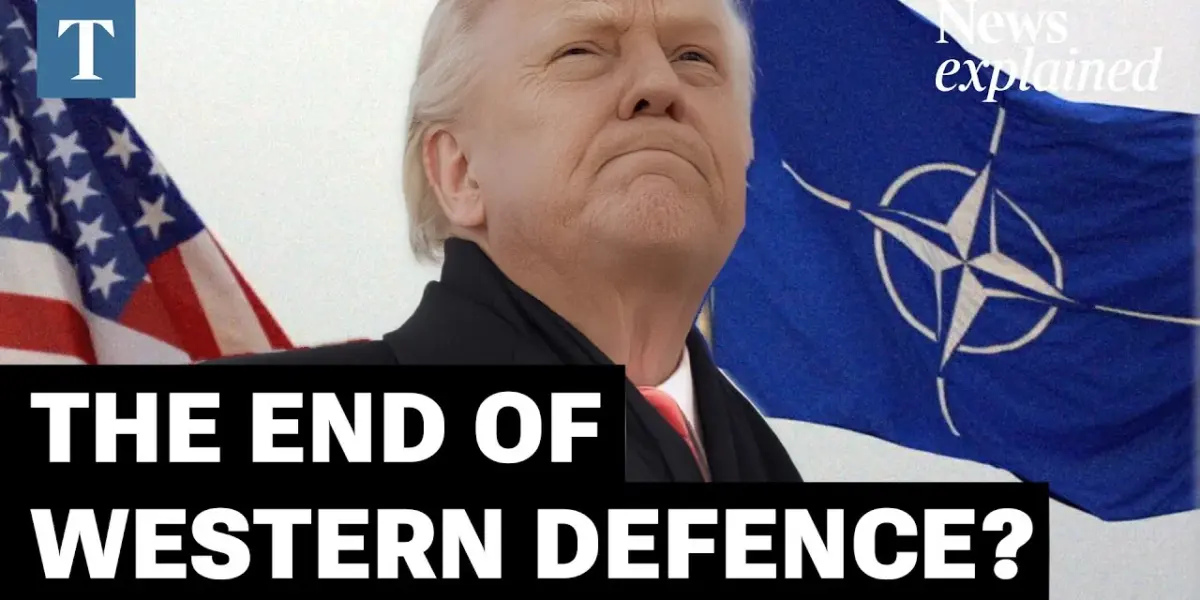
Trump Questions NATO’s Value Amid Rising Tensions
Former President Donald Trump has renewed his criticism of the North Atlantic Treaty Organization (NATO), calling it a “paper tiger” and expressing frustration over perceived lack of support from member countries. Trump specifically cited a desire for help with the situation in Iran and reopening the Strait of Hormuz, stating that NATO allies “didn’t come to our rescue.” This strong stance has raised concerns about the future of the nearly 80-year-old alliance, which was formed to ensure collective defense for its 32 member nations.
Trump’s repeated remarks about potentially withdrawing the U.S. from NATO, even before a potential return to the White House, have created significant unease. He has often voiced his belief that U.S. leaders are making poor decisions regarding the alliance. These statements come at a critical time, as global tensions rise, particularly concerning the U.S.-Israel war on Iran.
NATO Faces Its Biggest Crisis
The current situation is being called the most significant challenge NATO has faced since its founding in 1949. The alliance was initially established as a defense against the Soviet Union’s influence in Western Europe. Trump’s anger appears to stem from what he sees as a lack of assistance from European NATO members, especially regarding the conflict in Iran and naval operations in the Strait of Hormuz.
“We’d love to have some help if you could. Could you please send ships immediately?” Trump reportedly expressed, only to be met with a refusal from allies who stated, “Cannot do that, Donald.” This exchange highlights the growing friction and differing priorities among NATO members, putting the alliance’s unity and purpose under intense scrutiny.
Russia’s Perspective and Potential Gains
As the U.S. commitment to NATO wavers, attention is turning eastward, with many observers concerned about opportunities for Russia. President Vladimir Putin has long portrayed NATO expansion as a threat to Russia’s national security, a key justification he used for the invasion of Ukraine. Russian state media has reacted to Trump’s comments with a mix of satisfaction and realism.
While celebrating the apparent division within NATO, Russian media also acknowledges that the alliance might not collapse even if the U.S. withdrew. Instead, they anticipate increased militarization in Europe and European soldiers stepping in to fill any void left by American forces. This suggests that Russia views Trump’s actions as a potential morale boost rather than a guaranteed strategic victory.
Putin’s Strategy: The ‘Siege Mentality’
Interestingly, some analysts suggest that Putin actually needs NATO to maintain his political narrative within Russia. By portraying NATO as a surrounding enemy, he can cultivate a “siege mentality” or “fortress mentality” among the Russian population. This narrative helps justify his leadership and policies by emphasizing external threats, such as NATO forces closing in and seeking to exploit Russia’s resources or territory.
This strategy allows Putin to rally domestic support by presenting himself as the sole protector against foreign aggression. The perceived weakness or division within NATO, fueled by Trump’s rhetoric, could further empower this narrative and potentially embolden Russia to pursue its regional ambitions, even if America remains a member.
Europe’s Defense Capabilities Without the US
Western officials are increasingly worried about potential Russian aggression, with warnings that Putin might target the Baltic states in the coming years, even if the U.S. stays in NATO. If the U.S. were to withdraw, NATO’s military strength would be significantly reduced. The security of Western Europe has long depended on the understanding that the U.S. would provide a strong defense against any major threat.
Without American backing, Russia would hold a significant advantage in nuclear capabilities. The U.S. is the largest military contributor to NATO.
Russia possesses approximately nine times more nuclear warheads than France and the United Kingdom combined, the only European nations with nuclear weapons. This disparity raises serious questions about Europe’s ability to deter a nuclear threat independently.
European Nations Strengthen Defenses
In response to these growing concerns, several European nations have already begun enhancing their military readiness. Germany, for instance, is participating in joint NATO drills aimed at detecting and deterring Russian activities at sea. Finland, which joined NATO in 2023, is considered particularly well-prepared, boasting a highly trained military, extensive food reserves, and a network of over 50,000 civil defense shelters.
These preparatory measures reflect a growing acknowledgment of potential threats and a desire to strengthen European defense capabilities. The focus is on increasing self-reliance and improving readiness for various scenarios, including potential Russian provocations. This proactive approach aims to ensure security even in the face of uncertainty surrounding U.S. commitment.
The Future of NATO: Uncertainty and Resilience
The possibility of the U.S. withdrawing from NATO, whether formally or informally through troop reductions, would likely lead to a period of significant uncertainty and weaken Europe’s military capacity. However, such a decision might not be permanent. As one observer pointed out, “The next US president could just as easily send them back again.”
This suggests that Russia’s long-term strategic planning may not hinge entirely on Trump’s actions, viewing them more as a temporary boost to morale. The Kremlin, like many others, likely understands that the political landscape can change rapidly. The future of NATO ultimately depends on the collective resolve of its members to adapt and strengthen their defenses, regardless of U.S. policy shifts.
Source: Can Europe Defend Itself Without America? (YouTube)

Related Articles
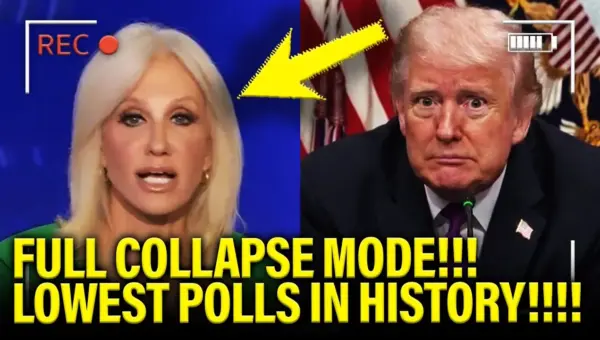
Fox News Scrambles as Trump’s Support Hits Historic Lows
Fox News faces scrutiny as Donald Trump's poll numbers reportedly plummet, leading the network to employ unusual tactics. From attacking the Pope to focusing on culture wars, the network appears to be scrambling to support Trump amidst growing controversies and declining public favor.

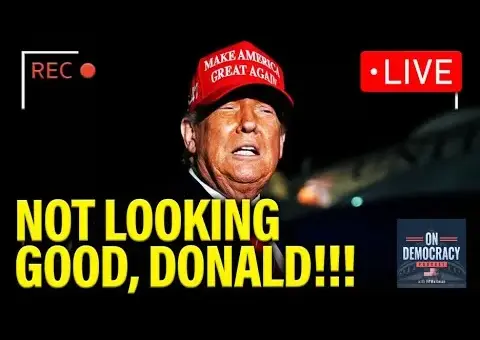
Trump’s War on the Pope: A Risky Gamble for Catholics
Donald Trump's recent criticism of Pope Francis risks alienating Catholic voters, a key demographic for Republicans. Meanwhile, experts describe the ongoing Middle East conflict as a "colossal disaster," with Iran consolidating influence and geopolitical alliances shifting. This dual approach appears to be a risky gamble driven by political desperation and a flawed strategy.

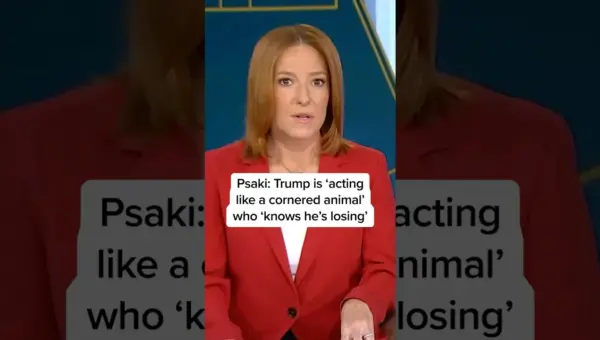
Psaki: Trump ‘Cornered Animal’ Losing Support, Polls Show
Jen Psaki has described Donald Trump's campaign behavior as that of a 'cornered animal' who 'knows he's losing.' Psaki cited recent polls showing Trump's approval ratings have fallen below 40 percent in six tracked surveys. This suggests a potential weakening of his support base and a defensive posture in his public actions.