Socialist Candidate Wins Big in NJ, Signals Party Shift
Socialist candidate Analilia Mejia won a special election in New Jersey's 11th Congressional District by 19 points. Her platform includes abolishing ICE, defunding police, and a $25 minimum wage. This victory signals a potential leftward shift within the Democratic Party.

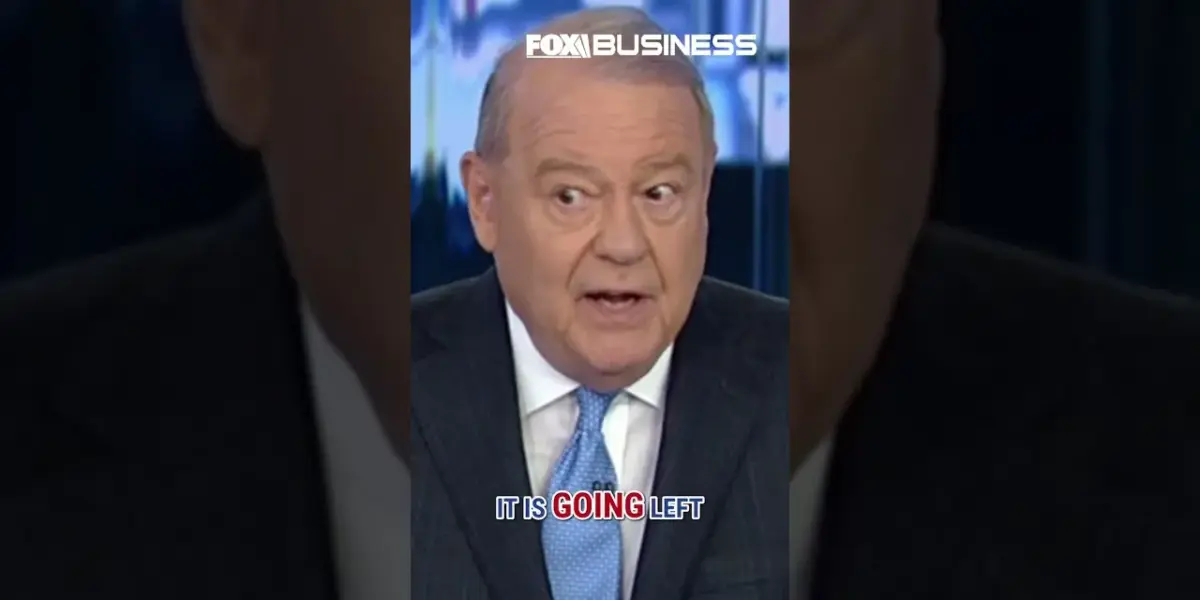
Socialist Candidate Secures Landslide Victory in New Jersey
A recent special election in New Jersey’s 11th Congressional District saw a significant political upset. Analilia Mejia, running on a socialist platform, defeated her Republican opponent by a substantial margin of 19 percentage points. This victory is drawing attention as a potential indicator of a broader shift within the Democratic Party.
Mejia’s platform includes several progressive policies that are pushing the party further left. She has openly supported abolishing Immigration and Customs Enforcement (ICE) and reducing police funding.
Her policy goals also feature expanding Medicare to cover all citizens and increasing the federal minimum wage to $25 per hour. She is also a proponent of expanding the Supreme Court, often referred to as ‘packing the court’.
Key Policy Positions and Rhetoric
Beyond economic and social policies, Mejia has taken strong stances on foreign policy and wealth inequality. She has accused Israel of committing genocide, a serious charge that has drawn international attention. Mejia has also expressed strong disapproval of billionaires, specifically calling out figures like Jeff Bezos and Elon Musk.
In her victory speech, Mejia directly addressed the influence of wealthy individuals, stating they were willing to undermine American democracy and the Constitution. Her rhetoric suggests a deep skepticism towards concentrated wealth and its impact on the political system. She also holds a strong negative view of former President Donald Trump.
Market Impact and Investor Considerations
The election of a candidate with such a far-left agenda raises questions about the future direction of economic and regulatory policy. Policies like a $25 minimum wage could significantly increase labor costs for businesses, potentially impacting profit margins and leading to higher prices for consumers. Abolishing or significantly reforming agencies like ICE could also lead to changes in business operations, particularly those reliant on or impacted by immigration policies.
Mejia’s critical stance on billionaires and large corporations, coupled with proposals to expand social programs like Medicare for All, suggests a potential for increased corporate taxes or regulations. Such measures could affect industries ranging from technology and finance to healthcare and retail. Investors often react to policy shifts that promise greater government intervention or redistribution of wealth.
Broader Political Context
This election result is being interpreted by some observers as a sign that the Democratic Party is moving more rapidly towards progressive ideals. Mejia’s policy proposals, such as defunding the police and packing the Supreme Court, are considered well beyond the mainstream of American politics for decades. Her presence in Congress is expected to align her with the most left-leaning members of the legislative body.
The implications of this trend extend beyond a single district. If more candidates with similar platforms gain traction, it could influence national policy debates on issues like healthcare, labor, and financial regulation. The upcoming election cycle will likely see increased focus on these ideological divides within both major parties.
Looking Ahead
The political landscape is dynamic, and the impact of Mejia’s victory will become clearer in the coming months. Her voting record and legislative efforts will be closely watched by both supporters and opponents. The next major indicator of this trend could be seen in upcoming primary elections and the general election later this year.
Source: Varney: Socialists are winning #shorts (YouTube)

Related Articles

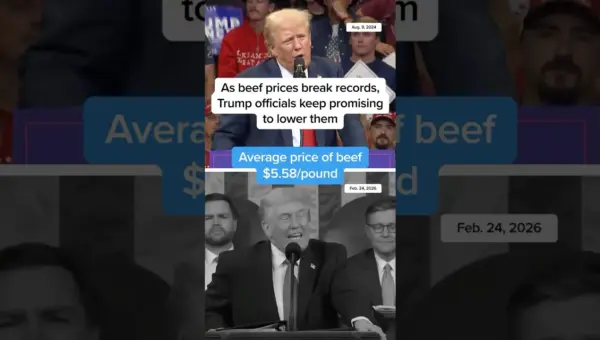
Beef Prices Soar Despite Trump Admin’s Price Cut Promises
Despite campaign promises to lower grocery prices immediately, beef costs have hit record highs, according to federal data. An investigation by MS NOW's JM Rieger reveals shifting statements from the Trump administration regarding efforts to control food prices. Consumers continue to feel the pinch as beef remains unaffordably expensive.


Democrat Wins NJ House Seat, Tightening Control in Washington
Democrat Anna Lilia Mejia has won a special election in New Jersey, securing a House seat and potentially impacting the Republican party's narrow majority. The progressive candidate's victory over Republican Joe Hathaway is seen as a significant development in the closely divided House of Representatives. Mejia's win highlights the importance of special elections in shaping the political landscape.


Ruhle: Trump Must Unite on Economy Message in Vegas
MSNBC anchor Stephanie Ruhle criticized former President Donald Trump's economic messaging strategy, stating he is responsible for current economic woes. As Trump visits Las Vegas to tout tax policies, Ruhle argued he needs to present a unified message. His economic policies from his presidency are a key focus of ongoing debate.