Trump Claims Iran Will Keep Strait of Hormuz Open
President Trump announced that Iran has agreed to keep the Strait of Hormuz open for shipping, linking it to a ceasefire in Lebanon. While presented as a major breakthrough, experts urge caution due to a lack of official confirmation from Iran and potential conditions attached to the agreement.

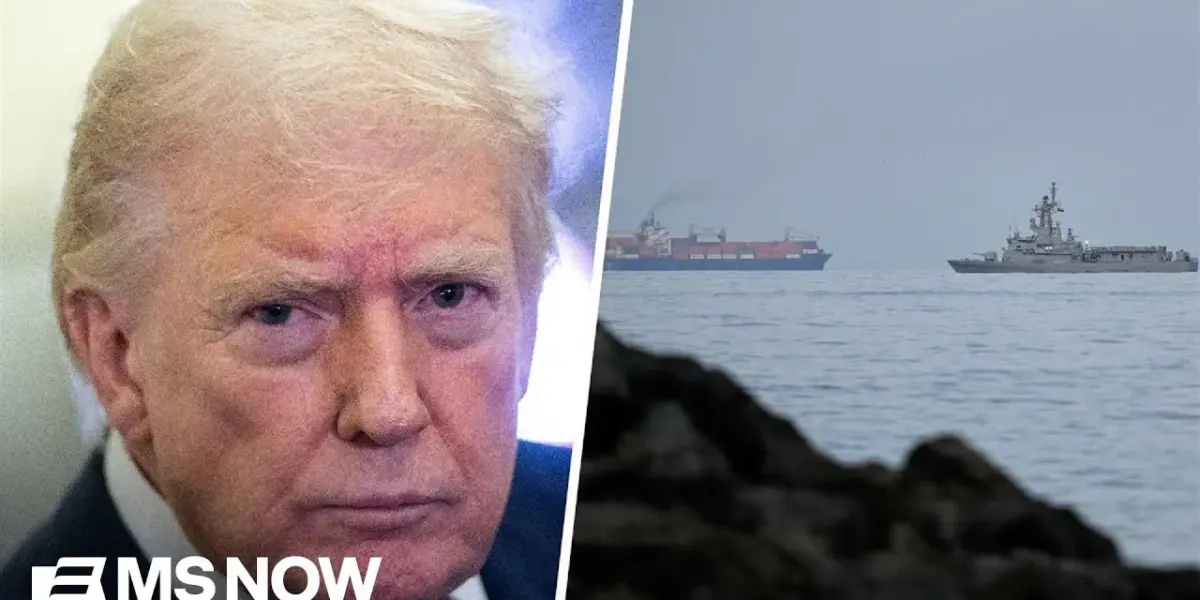
Trump Announces Iran Deal on Strait of Hormuz
President Trump announced this morning that Iran has agreed to keep the Strait of Hormuz open for shipping. This statement comes amid reports of a ceasefire in Lebanon.
Trump also claimed that the U.S. naval blockade on Iranian ports will continue. He stated that the U.S. will receive nuclear material without any money changing hands.
Details and Caveats of the Announcement
While the president presented these as firm agreements, there are important details to consider. Iran’s Foreign Minister suggested the Strait of Hormuz would remain open as long as the ceasefire in Lebanon holds. This indicates the opening may be linked to conditions, not an unconditional promise.
The president denied reports that the U.S. might return frozen Iranian assets. However, experts believe Iran will likely still demand this money, which they claim is rightfully theirs.
Strait of Hormuz: A Key Bargaining Chip
The Strait of Hormuz is a vital waterway for global oil transport. For Iran, controlling or threatening to close it has been a significant source of leverage.
The president’s claim that Iran will never close it again suggests a major shift in regional dynamics. However, there is currently no official confirmation from Iran regarding this specific promise.
“Iran has agreed to never close the Strait of Hormuz again.” – President Trump
European Response and NATO Criticism
European leaders are discussing the reopening of the Strait of Hormuz. French President Emmanuel Macron and British Prime Minister announced plans for a multinational force to ensure freedom of navigation. They welcomed the news of the Strait reopening, seeing it as a way to keep it open.
President Trump, however, criticized NATO allies for not doing more to secure the Strait earlier. He suggested they were “useless” and only wanted to “load up their ships with oil.”
Ceasefire in Lebanon and Broader Deal Framework
A fragile ceasefire is currently in place between Lebanon and Israel. While the fighting has paused, both sides have indicated readiness to resume hostilities if necessary.
The ceasefire has allowed displaced people to return to their villages in southern Lebanon. Experts suggest that the outlines of a broader deal are emerging, including the ceasefire, the opening of the Strait of Hormuz, and potential negotiations with Iran.
Complexities of Iran Nuclear Program and Frozen Assets
Discussions surrounding Iran’s nuclear program continue. Reports suggest Iran may still seek to retain some low-level enriched uranium for medical purposes. This is a complex issue under international treaties.
The matter of frozen Iranian assets also remains a point of contention. Iran insists on the return of money frozen years ago during past international disputes.
Skepticism and Need for Confirmation
While the president’s announcements suggest significant progress, experts urge caution. Many of the claims lack official confirmation from Iran or other involved parties. The situation involves complex negotiations and strategic maneuvering by all sides.
Building leverage for future talks appears to be a key element of the current narrative. The true status of these agreements will likely become clearer in the coming days and weeks.
Looking Ahead
The coming days will be crucial for confirming the details of these agreements. Major shipping companies will likely wait to see if the ceasefire and the opening of the Strait of Hormuz hold for a sustained period. Further statements from Iran and other international actors will be necessary to understand the full implications of these developments.
Source: Trump: 'Iran has agreed to never close the Strait of Hormuz again' (YouTube)

Related Articles
Iran Opens Key Oil Route, Stocks Jump Amid Ceasefire Hopes
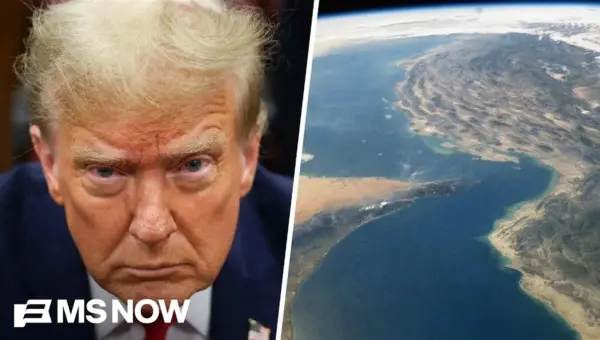
Iran has reopened the Strait of Hormuz to commercial shipping, leading to a drop in oil prices and a rally in the stock market. This move comes as part of a fragile ceasefire agreement between Lebanon and Israel, with the U.S. heavily involved in brokering peace talks. The situation remains complex, with ongoing discussions about Iran's nuclear program and Hezbollah's future role.

Trump’s Iran Deal Tweets Spark Mental Fitness Debate
Amidst a flurry of social media posts declaring victory in Iran negotiations, Donald Trump's stability and the actual gains of the deal are under intense scrutiny. Critics question the substance of his claims, pointing to a return to the status quo and potential concessions to Iran.
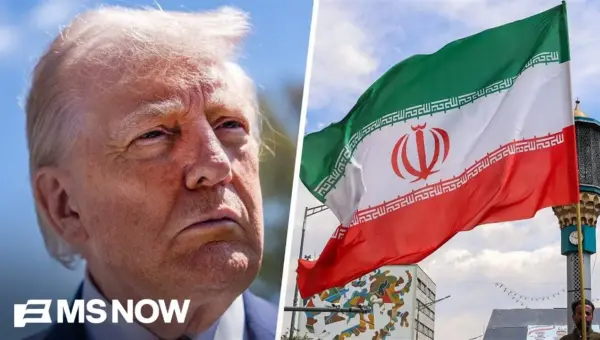
Senator: Trump Starts Wars, Claims Credit for Peace
Senator Chris Van Hollen criticized President Trump's foreign policy, likening him to an arsonist who starts fires and then claims credit for putting them out. Van Hollen argued that recent conflicts, including the one involving Iran and the Strait of Hormuz, have cost lives and billions of dollars without a clear endgame or definition of success. He called for ending these "wars of choice" and highlighted the fragility of recent ceasefires.