Courtroom Cameras Under Fire in High-Profile Case
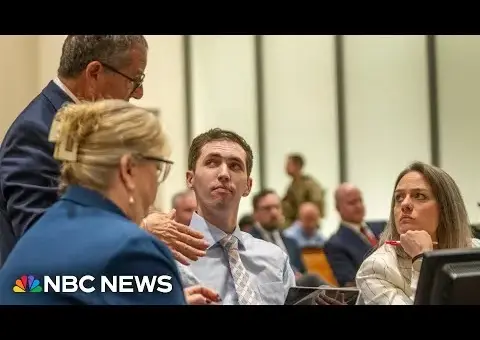
Attorneys for Tyler James Robinson are asking to ban courtroom cameras and delay his preliminary hearing. They argue crucial DNA data from federal labs is missing, hindering their ability to challenge the state's case. The prosecution contends the hearing's purpose is only to establish probable cause and the discovery issues are for trial preparation.

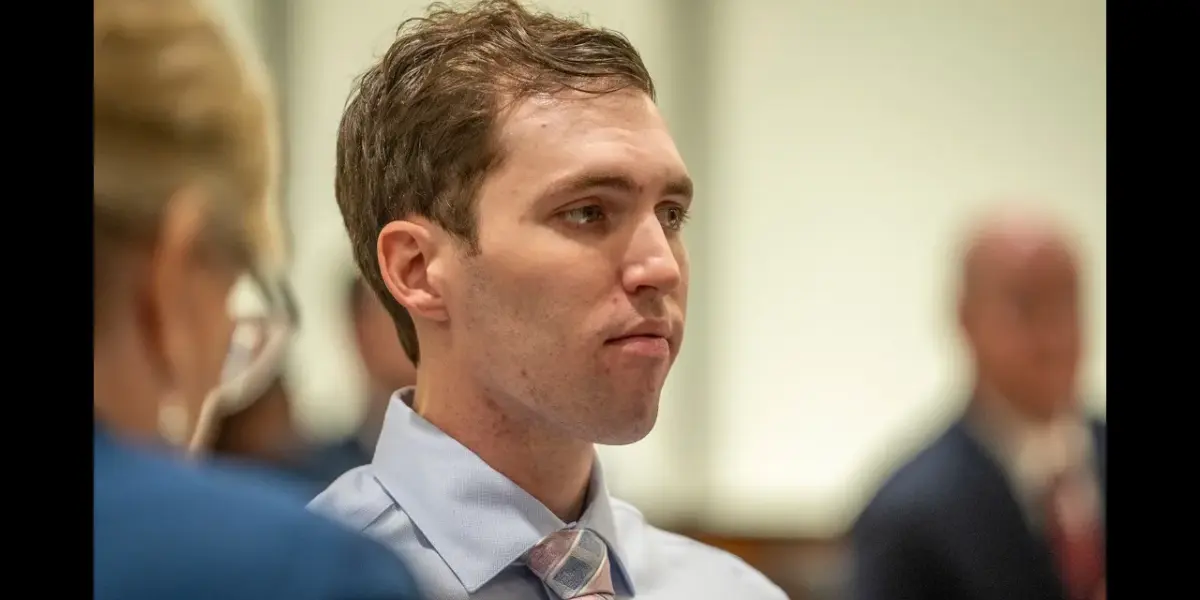
Courtroom Cameras Under Fire in High-Profile Case
The use of cameras in courtrooms is facing new scrutiny. Attorneys for Tyler James Robinson are asking to ban them from his upcoming preliminary hearing. This request highlights a long-standing debate about transparency versus privacy in legal proceedings.
The hearing began with standard court procedures. Judge’s set the stage, reminding everyone of courtroom rules.
Security and decorum were emphasized, with a warning that leaving the courtroom meant no re-entry until a break. Attorneys were also advised to protect confidential communications, suggesting the use of screen protectors and careful placement of devices.
Media Access and Discovery Disputes
The court then addressed the media presence. A still photographer and a video pool reporter confirmed they understood the court’s decorum order.
They assured the judge they would follow the rules. This brief exchange set the stage for larger issues concerning discovery and the preliminary hearing itself.
The state’s attorney provided an update on discovery. Over 20,000 files have been shared, with more incoming. This includes extensive lab materials from the FBI and ATF.
The defense, however, argued that crucial data files, specifically the raw data from DNA analysis, have not yet been provided. They stated this information is essential for their case.
Defense Argues for Delay
Richard Novak, representing Mr. Robinson, explained the defense’s position. He stated that without the raw DNA data, Mr. Robinson is prejudiced.
This data is needed to allow their DNA experts to analyze the scientific evidence. He argued that this lack of discovery violates the Utah Constitution and rules of procedure.
Novak emphasized that a preliminary hearing is meant to determine probable cause. However, he believes the current situation prevents a fair assessment.
The defense needs time to examine the data and potentially call their own experts or cross-examine the state’s forensic examiners. Without this, he argued, the right to adversarial testing is meaningless.
He likened the situation to being “handcuffed.” The defense cannot challenge the reliability of the state’s scientific reports without the underlying data. He questioned why federal agencies like the FBI and ATF have not provided this information promptly. Novak concluded that the preliminary hearing should not proceed until the defense receives this critical data.
State Argues Against Delay
The state’s attorney countered that the defense’s request for discovery goes beyond the scope of a preliminary hearing. They argued that a preliminary hearing’s sole purpose is to establish probable cause, not to conduct extensive discovery or prepare for trial. The state believes the defense is using discovery issues as a reason to unnecessarily delay the proceedings.
The prosecution outlined the evidence they intend to present. This includes surveillance footage showing the defendant on campus, circumstantial evidence linking him to a rifle, and several alleged confessions. They believe this evidence is sufficient to establish probable cause, regardless of the DNA data status.
The state also pointed out that rules do not require expert notice before a preliminary hearing. They argued that the defense’s need for expert review and analysis is a trial preparation matter, not a preliminary hearing necessity. Continuing the hearing for several months, they argued, would prejudice the victim and the public’s right to a speedy resolution.
The Core Debate: Transparency vs. Fairness
The conflict centers on how much information is required before a preliminary hearing can proceed. The defense argues that without full access to crucial scientific data, they cannot adequately prepare to challenge the state’s case. They believe this lack of access undermines the fairness of the proceedings.
The state, on the other hand, maintains that a preliminary hearing is a low-threshold event. Its purpose is simply to determine if there’s enough evidence to believe a crime occurred and the defendant committed it. They contend that the defense’s detailed discovery requests are more suited for trial preparation and should not hold up this initial stage.
Why This Matters
This case touches on fundamental aspects of the justice system. The right to a fair trial includes access to evidence that can prove innocence or cast doubt on guilt. When critical scientific data is delayed, it raises questions about whether defendants can truly defend themselves.
The debate also highlights the role of preliminary hearings. Are they merely a quick check for probable cause, or should they allow for more thorough examination of evidence? The answer impacts how quickly cases move through the system and the perceived fairness of those proceedings.
Looking Ahead
The judge must now decide whether to grant the defense’s motion to continue the preliminary hearing. This decision will weigh the state’s evidence of probable cause against the defense’s claim of prejudice due to incomplete discovery. The court’s ruling will set a precedent for how such discovery disputes are handled in future preliminary hearings in Utah.
The court also needs to rule on the media’s access to the courtroom. The defense’s request to ban cameras, though not fully detailed in this portion of the transcript, adds another layer to the proceedings. This issue will be addressed as the hearing continues, potentially shaping how the public perceives the trial’s fairness and transparency.
Source: Watch live: Attorneys for Tyler Robinson ask to ban courtroom cameras (YouTube)

Related Articles
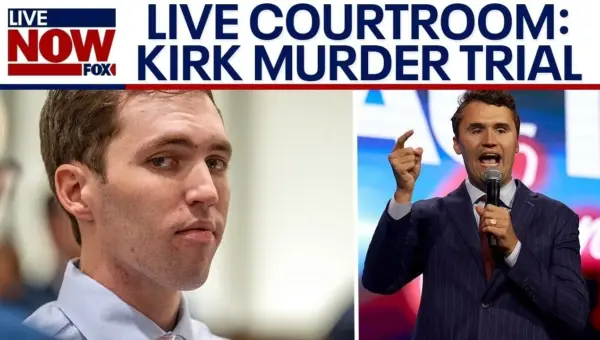
Court Gears Up for Tyler Robinson Trial in Charlie Kirk Case
A Utah court session focused on the Tyler Robinson case, accused of murdering Charlie Kirk. The defense sought to delay the preliminary hearing due to alleged discovery issues with critical DNA data from federal labs. The state countered that the preliminary hearing's purpose is solely to determine probable cause and that the defense's concerns are for trial preparation.
Kirk Shooting Suspect’s Lawyers Question Bullet Evidence
Attorneys for Tyler Robinson, accused in the shooting of Charlie Kirk, are requesting a six-month delay in proceedings to review extensive digital evidence. The defense also highlighted an ATF report unable to link a bullet fragment from the autopsy to Robinson's alleged rifle.

Son’s Testimony Looms in Hawaii Doctor’s Murder Plot Trial
Dr. Gerhard Koenig is on trial in Hawaii for allegedly attempting to murder his wife, Ariel, during a birthday hike. New DNA evidence from torn clothing was presented to the jury. The victim's harrowing testimony describes being attacked with a rock, while the defense claims she started the struggle.