Trump’s War on the Pope: A Risky Gamble for Catholics
Donald Trump's recent criticism of Pope Francis risks alienating Catholic voters, a key demographic for Republicans. Meanwhile, experts describe the ongoing Middle East conflict as a "colossal disaster," with Iran consolidating influence and geopolitical alliances shifting. This dual approach appears to be a risky gamble driven by political desperation and a flawed strategy.

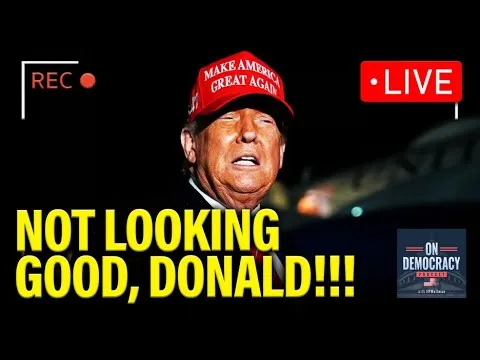
Trump Declares War on the Pope, Alienates Catholic Voters
Donald Trump has once again stirred controversy, this time by directly criticizing Pope Francis. Trump suggested the Pope should “stay out of the political arena” and focus solely on leading his church. This public clash with the head of the Catholic Church, a figure respected by millions, including many within the Republican party’s voter base, has raised serious questions about political strategy.
The Pope, a popular figure among American Catholics, has often spoken on issues of peace and social justice. Trump’s remarks, echoed by some Republican figures like Congressman Troy Nehls, dismiss the Pope’s role as a moral leader who might offer insights beyond purely religious matters. This stance ignores the deep connection many Catholics feel between their faith and their political views, particularly on issues like the sanctity of life.
A Strategic Misstep: Subtracting Voters from the Coalition
Politics is often described as a game of addition, where parties aim to expand their coalition by appealing to new groups. However, the Trump-aligned Republicans seem to be embracing a strategy of subtraction. By picking a fight with the Pope, they risk alienating a significant portion of the electorate: the 70 million practicing Catholics in the United States.
Many Catholics are drawn to the Republican party, partly due to shared views on issues like abortion. This demographic has historically supported Republican candidates, including Donald Trump. The decision to openly challenge the Pope appears to be a deliberate move that could cost the party valuable support.
The War in the Middle East: A Colossal Disaster?
Beyond the conflict with the Pope, the transcript also digs into the ongoing military action in the Middle East, described by experts as a “colossal disaster.” The war, initiated with the stated aim of combating terrorism and saving lives, is facing increasing scrutiny. Despite official claims of success, evidence suggests the situation is far from resolved, with continued instability and civilian casualties.
Professor Robert Pape, a specialist in international security, argues that air power alone has historically proven ineffective in toppling regimes. He points to the prolonged nature of past conflicts, like Vietnam and the 2003 Iraq War, as examples of how such strategies can devolve into lengthy and costly engagements. The current conflict, still in its early weeks, is already showing signs of becoming another such protracted struggle.
Iran’s Growing Influence and Geopolitical Shifts
The military actions have also had unintended geopolitical consequences. Iran, rather than being weakened, appears to be consolidating its influence.
The closure of the Strait of Hormuz, a critical global shipping route, demonstrates Iran’s leverage. This has led key allies like India and Japan to distance themselves from the U.S. and move closer to Iran’s position.
This shift indicates that Iran is learning to wield its power effectively, turning economic pressure into geopolitical gains. The growing influence of Iran is a significant development that challenges the initial assumptions behind the military intervention. The situation suggests that the conflict may be strengthening, not weakening, Iran’s regional standing.
Desperation and Distraction: The Political Calculus
The timing of these actions, both the conflict with the Pope and the military engagement, is seen by some analysts as a desperate attempt to distract from domestic political troubles. With upcoming midterms and ongoing economic concerns, Trump may be seeking to rally his base and divert attention from less favorable issues.
However, this strategy carries significant risks. Alienating Catholic voters and engaging in a protracted, costly war could backfire, further damaging Trump’s political standing. The approach seems less like a calculated political maneuver and more like a gamble driven by ego and a need for quick wins, a strategy that often leads to greater losses.
Why This Matters
The events discussed highlight critical issues facing American politics and foreign policy. The willingness of political leaders to alienate large voting blocs, like Catholics, by engaging in unnecessary conflicts reveals a troubling trend. The miscalculation of military interventions and their potential for prolonged conflict and unintended geopolitical consequences demand serious attention.
The situation also highlights the importance of understanding the complexities of international relations and the dangers of simplistic approaches to foreign policy. The potential for escalating conflicts and the erosion of alliances have far-reaching implications for global stability and American influence.
Looking Ahead
As the midterm elections approach, the consequences of these decisions will likely become clearer. The Republican party’s strategy of alienating potential allies and engaging in costly foreign entanglements could prove to be a significant miscalculation. The ongoing conflict in the Middle East, with its evolving geopolitical dynamics, remains a major concern.
The world is watching how these challenges are managed. The current approach, marked by aggressive rhetoric and questionable strategic choices, suggests a period of continued instability both domestically and internationally. The decisions made in the coming months will shape the political landscape and America’s role in the world.
Source: LIVE: Trump Terrified MIDTERM RECKONING Will END IT ALL (YouTube)

Related Articles

Psaki: Trump ‘Cornered Animal’ Losing Support, Polls Show
Jen Psaki has described Donald Trump's campaign behavior as that of a 'cornered animal' who 'knows he's losing.' Psaki cited recent polls showing Trump's approval ratings have fallen below 40 percent in six tracked surveys. This suggests a potential weakening of his support base and a defensive posture in his public actions.

Trump’s Iran Deal Tweets Spark Mental Fitness Debate
Amidst a flurry of social media posts declaring victory in Iran negotiations, Donald Trump's stability and the actual gains of the deal are under intense scrutiny. Critics question the substance of his claims, pointing to a return to the status quo and potential concessions to Iran.
Senator: Trump Starts Wars, Claims Credit for Peace
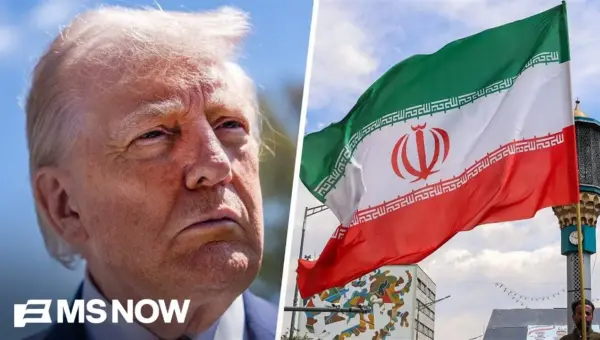
Senator Chris Van Hollen criticized President Trump's foreign policy, likening him to an arsonist who starts fires and then claims credit for putting them out. Van Hollen argued that recent conflicts, including the one involving Iran and the Strait of Hormuz, have cost lives and billions of dollars without a clear endgame or definition of success. He called for ending these "wars of choice" and highlighted the fragility of recent ceasefires.