Russia Replaces Local Forces in Occupied Ukraine
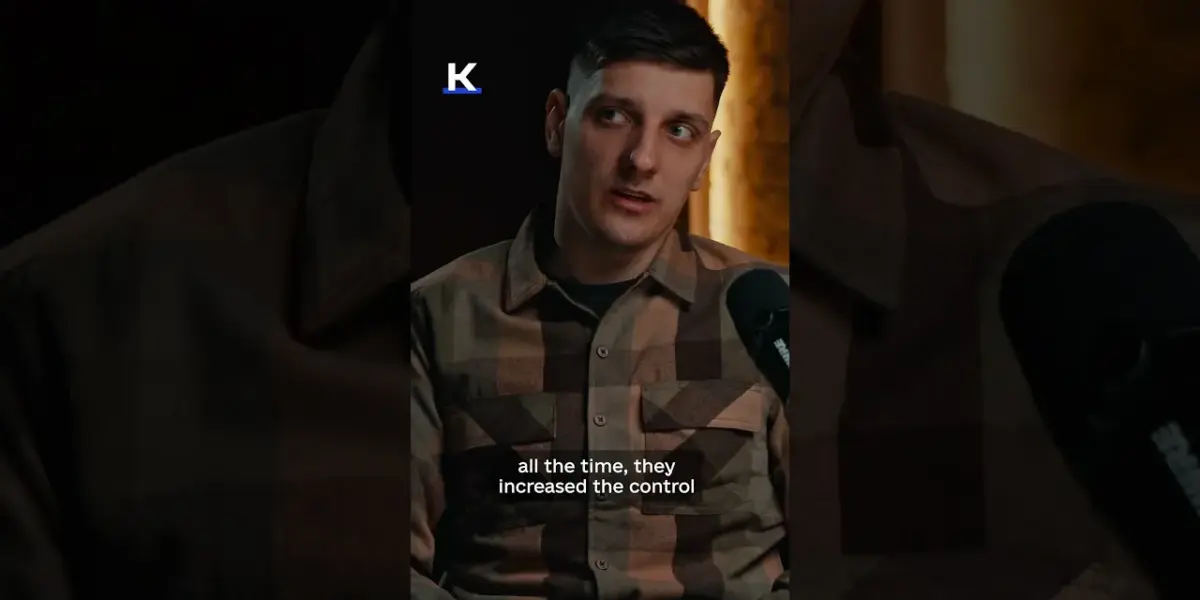
Russia is replacing local security forces with Russian personnel in occupied Ukrainian territories. This move includes intensified surveillance, mobile device checks, and regular "filtration measures" in towns and villages. The Kremlin aims to suppress pro-Ukrainian sentiment and intelligence gathering.

Russia Replaces Local Forces in Occupied Ukraine
Russian authorities are carrying out a significant shift in occupied Ukrainian territories. They are replacing local collaborators with trained personnel from Russia in security agencies. This move appears to be a response to ongoing Ukrainian resistance and a large pro-Ukrainian population.
The Kremlin has increased the number of security service staff and tightened control over the general population. This intensified oversight follows recent shelling of Russian-held areas.
Russian officials now understand that a substantial portion of the population remains loyal to Ukraine. They suspect that continuous, accurate targeting of their positions indicates local support for Ukrainian forces.
Intensified Security Operations
In many towns and villages, Russian forces are now conducting regular security sweeps. These operations involve surrounding settlements and carrying out so-called “filtration measures.” These measures have become a routine part of life in some areas. Small towns and villages are reportedly surrounded and searched every three months.
Security checks are now a regular feature in educational institutions. Russian investigators and Federal Security Service (FSB) agents are routinely inspecting mobile devices.
These checks happen roughly every three to four months. They use special software to search for any materials deemed “extremist.”
Purpose of Security Checks
The primary goal of these searches is to find informants for Ukrainian forces. Russian authorities are also looking for individuals they describe as “pro-Ukrainian elements.” These operations aim to disrupt Ukrainian intelligence gathering and suppress any signs of dissent or support for Kyiv.
Strategic Implications
This replacement of local security personnel with Russian nationals suggests a lack of trust in collaborators. It also indicates a belief that local forces may be compromised or unreliable.
The increased presence of Russian security services aims to project Moscow’s authority more directly. This could be an attempt to quell dissent and prevent further Ukrainian gains through intelligence sharing.
The filtration measures, especially in schools, highlight a strategy of pervasive surveillance. By monitoring young people’s devices, Russian authorities hope to identify and neutralize potential sources of information for Ukraine. This tactic mirrors historical methods used by occupying powers to maintain control through widespread monitoring and intimidation.
Broader Geopolitical Impact
The intensified crackdown reflects Moscow’s ongoing struggle to consolidate control over occupied regions. It highlights the persistent challenge posed by Ukrainian resistance, both armed and civilian. This situation continues to complicate Russia’s long-term objectives in Ukraine.
The ongoing security operations and personnel changes are likely to fuel further local resentment. Such actions could inadvertently strengthen Ukrainian resolve and support among the occupied population. This dynamic could create fertile ground for continued partisan activity and intelligence gathering for Kyiv.
The regular filtration events are designed to create an atmosphere of fear. This can disrupt daily life and discourage any open support for Ukraine.
The FSB’s involvement shows the seriousness with which Moscow views the intelligence threat from occupied territories. They are deploying their most experienced counter-intelligence units.
The use of specialized software for device checks points to a more sophisticated approach to information control. This is not just about random searches; it’s a targeted effort to uncover digital evidence of collaboration with Ukraine. The Russian security apparatus is attempting to adapt its methods to the modern information environment.
By focusing on young people, Russian forces may be trying to prevent the next generation from embracing Ukrainian identity. This educational and digital surveillance aims to shape future loyalties. It represents a long-term effort to re-educate and re-orient the population towards Russia.
The increased presence of Russian security personnel signifies a direct assertion of Moscow’s rule. It reduces reliance on local intermediaries, who may be less loyal or more susceptible to Ukrainian influence. This shift indicates a desire for tighter, centralized control over security matters in the occupied territories.
This policy change suggests that Russia views the occupied territories as unstable. The need for direct intervention by Russian security forces points to ongoing challenges in maintaining order and loyalty. The Kremlin is clearly concerned about the effectiveness of its current control mechanisms.
The frequent, intrusive searches are a violation of privacy. They are intended to intimidate the population into compliance.
This widespread surveillance is a key tool in Russia’s efforts to suppress Ukrainian national sentiment. It aims to break down social cohesion and prevent organized resistance.
The Russian Investigative Committee is a federal law enforcement agency. It handles serious crimes, including those in occupied territories.
Its involvement alongside the FSB shows a coordinated effort by multiple Russian security agencies. This indicates a high level of concern about the security situation.
The checks for “extremist materials” are broadly defined. This allows Russian forces to detain individuals for a wide range of perceived offenses.
It creates a climate of uncertainty, where any online activity could be deemed illegal. This broad interpretation is a common tactic for suppressing dissent.
The continuous nature of these operations, occurring every few months, ensures constant pressure. It prevents any relaxation of vigilance among the population. This sustained campaign of surveillance and control is designed to achieve long-term compliance.
The replacement of local collaborators with Russian Federal Security Service (FSB) officers highlights a strategic distrust. It suggests that Moscow believes its own personnel are necessary for effective control. This is a significant indicator of the perceived threat from Ukrainian resistance.
The FSB is Russia’s principal security agency. It deals with internal security, counter-intelligence, and counter-terrorism.
Its expanded role in occupied territories shows a focus on intelligence gathering and suppressing opposition. This mirrors the FSB’s historical functions within Russia itself.
The constant threat of detention and interrogation for possessing “pro-Ukrainian” content is a powerful deterrent. It forces residents to self-censor their communications and online activities. This psychological pressure is a key component of the security crackdown.
The upcoming months will likely see continued and possibly expanded security operations. Russia’s focus on intelligence and control in occupied areas remains a central element of its strategy. The effectiveness of these measures will depend on the resilience of the local population and continued Ukrainian support.
Source: A Ukrainian partisan on Russia's security crackdown in occupied territories (YouTube)

Related Articles
Russia Targets EU Factories; Space Nuke Threat Looms
Russia has openly declared European military factories as potential targets, publishing their addresses. Simultaneously, the US has warned of Russia's potential deployment of nuclear weapons in orbit, a move that could cripple global satellite systems. In response, Western nations are increasing military aid to Ukraine, including significant drone and air defense packages.

Ukraine Leverages Drones, Industry to Shift War
Ukraine is shifting its war strategy by leveraging drones, robotic systems, and industrial partnerships with Europe. This approach aims to reduce casualties, degrade Russia's war economy, and build long-term defense capabilities. While Europe increases co-production, Ukraine faces critical air defense shortages as Russia seeks legal pretexts for wider intervention.
Netherlands Pledges $520M Aid, Drone Deal with Ukraine
The Netherlands has pledged over $520 million in aid to Ukraine and signed a significant drone production deal. President Zelenskyy highlighted the critical need for air defense missiles amid ongoing Russian attacks. The agreement aims to bolster Ukraine's defense industry and strengthen European security.