Hungary Ousts Orban in Landslide Election Victory
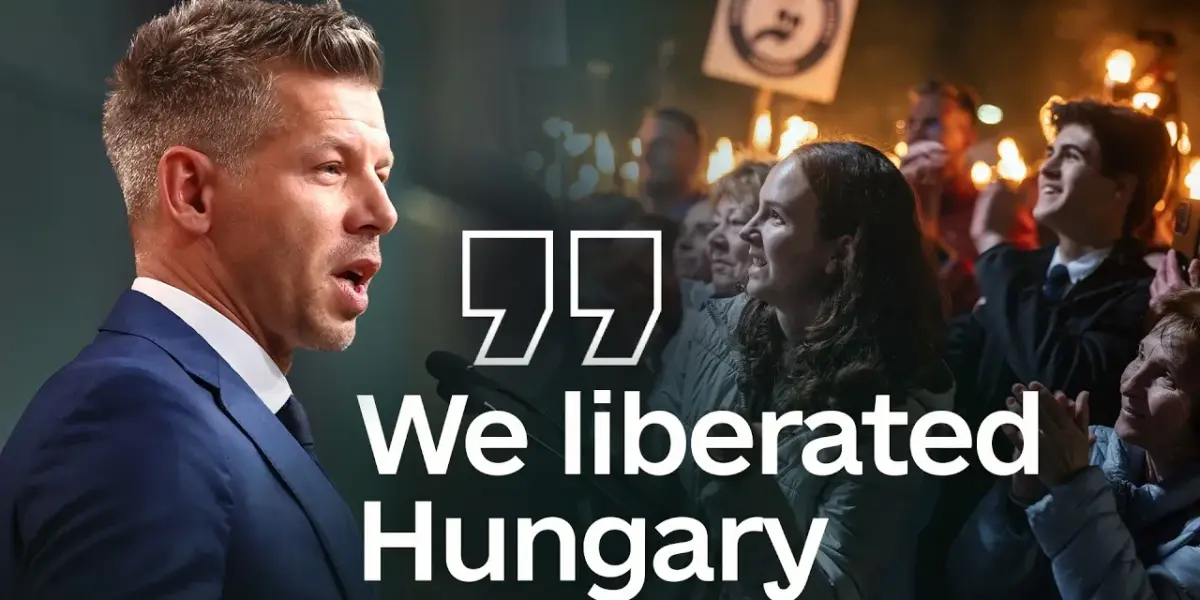
Hungary has elected Peter Majar and his Tissa party in a landslide victory, ending Prime Minister Viktor Orban's 16-year rule. The election results mark a significant shift for the nation and could impact European politics, particularly regarding support for Ukraine. The Tissa party secured a dominant mandate, signaling a strong desire for change among Hungarian voters.

Hungary Ousts Orban in Landslide Election Victory
Hungary has elected Peter Majar and his Tissa party in a landslide victory, ending Prime Minister Viktor Orban’s 16-year rule. The election results mark a significant shift for the nation and could impact European politics, particularly regarding support for Ukraine. The Tissa party secured a dominant mandate, signaling a strong desire for change among Hungarian voters.
The campaign leading up to the election was marked by intense political maneuvering and a stark contrast in messaging. Prime Minister Orban’s Fides party focused heavily on scaremongering tactics, often linking opposition leader Peter Majar to Ukraine and portraying him as a threat.
Posters juxtaposing Majar with Ukrainian President Volodymyr Zelensky became a central theme of the government’s campaign. This strategy aimed to stoke fear and associate the opposition with the ongoing conflict across Hungary’s border.
In contrast, Peter Majar and the Tissa party campaigned on issues of corruption, economic stagnation, and a desire for closer ties with the European Union. Majar’s movement gained momentum over two years, uniting a fragmented opposition and traveling across the country to connect with voters. The campaign evoked historical parallels, drawing inspiration from past Hungarian revolutions against foreign influence and authoritarianism.
Historical Echoes of Resistance
The election resonated deeply with many Hungarians, including those with personal ties to the country’s history of challenging oppression. The 1956 Hungarian Revolution, a significant uprising against Soviet-backed communist rule, was frequently referenced.
Artifacts from this era, like the revolutionary flag with its emblem cut out, serve as potent symbols of resistance against Moscow. These historical echoes highlight a deep-seated Hungarian heritage of standing up to external powers, even when facing overwhelming odds.
The media landscape in Hungary also played a key role in the political narrative. Government-aligned newspapers and media outlets often promoted pro-government polls and campaign messages.
These publications frequently framed the election around threats from Ukraine and emphasized the need for a government focused on Hungarian families, affordable groceries, and cheap utilities. This consistent message aimed to shape public perception and consolidate support for the incumbent Fides party.
Campaigning Across the Nation
Peter Majar’s Tissa party held numerous rallies across Hungary, reaching even small villages and towns. These events often featured passionate speeches that invoked the spirit of past Hungarian revolutions.
Majar’s rhetoric aimed to inspire hope and mobilize voters, drawing parallels between the current election and key moments in Hungarian history. The energy at these rallies suggested a strong grassroots movement pushing for a new direction.
However, the campaign was not without its anxieties. Concerns about potential Russian provocations and election falsification were palpable among opposition supporters.
Majar himself urged his followers to remain vigilant and not fall for any last-minute tricks. These fears highlighted the perceived high stakes of the election, not just for Hungary but also for its relationship with Russia and the broader European community.
Youth Engagement and Future Prospects
Young Hungarians, many studying abroad, expressed a strong desire to return and vote. For them, the election represented a crucial decision about their future and the direction of their country.
Many felt that the current political climate had pushed them to seek opportunities elsewhere. Their participation highlighted the election’s impact on a generation concerned about Hungary’s place in Europe and its democratic institutions.
The election eve featured a large concert event in Budapest, dubbed a “regime change concert.” This gathering, organized independently of any specific party, brought together a diverse and predominantly young crowd. The event symbolized a collective yearning for the return of democracy and an end to what many perceived as a gradual erosion of freedoms. The sheer number of attendees demonstrated a widespread desire for a significant political transformation.
Contrasting Rallies and Voter Sentiment
Prime Minister Orban held his final rally at Buda Castle, a historic seat of Hungarian royalty. The event showcased a base of loyal supporters, many of whom expressed a desire for continuity and voiced concerns about the potential impact of a government change. Interviews with attendees revealed a deep-seated belief in Orban’s leadership, often framed by anxieties about instability and a perceived threat from external influences.
The Fides rally also featured prominent party figures, including the Foreign Minister, whose recent secret recordings discussing friendly terms with his Russian counterpart were widely reported. Orban himself appeared defiant and confident, addressing his supporters with familiar rhetoric. Despite the external controversies and the opposition’s momentum, the rally demonstrated the enduring support Orban commanded among his core base.
Election Day and Voter Turnout
Election day saw high voter turnout, approaching 80%, the highest since the fall of communism. Citizens cast their ballots in a generally orderly process, with representatives from various parties present at polling stations. The high turnout highlighted the significance Hungarians placed on this election, with both sides focused on mobilizing their supporters to secure victory.
Interactions with voters revealed a clear division on the nation’s geopolitical orientation. Many expressed a preference for aligning with the West over increasing influence from Russia.
While some attendees at a music event prioritized the social aspect, the underlying political sentiment leaned towards closer European integration. This sentiment was a stark contrast to the government’s pro-Russian stance.
Landslide Victory for Tissa Party
As the first results were announced, it became clear that the Tissa party was heading for a significant win. The atmosphere at the opposition’s election night rally on the Danube River shifted from anticipation to jubilant celebration as the scale of their victory became apparent. The Tissa party achieved a landslide win, exceeding expectations and securing a dominant mandate for change.
The election results effectively signal the end of the Orban era in Hungarian politics. Peter Majar’s Tissa party has been empowered to implement its agenda, which includes cleaning up corrupted institutions, strengthening ties with Europe and NATO, and improving relations with neighboring countries. The significant two-thirds majority achieved by Tissa is expected to enable substantial reforms and potentially lift previous obstructions to international cooperation, particularly concerning support for Ukraine.
Strategic Implications and Future Outlook
The ousting of Viktor Orban and the decisive victory of Peter Majar’s Tissa party carry significant geopolitical weight. Orban’s government had frequently acted as a roadblock to European Union initiatives, particularly those concerning aid to Ukraine.
With a new government in power, Hungary is expected to adopt a more pro-European and pro-Ukraine stance. This shift could unlock crucial financial and military support for Kyiv, which has been hampered by Budapest’s previous opposition.
The election’s outcome could reshape Hungary’s foreign policy and its role within the EU and NATO. The focus will likely shift towards strengthening democratic institutions, combating corruption, and re-engaging with European partners.
The new government’s mandate suggests a clear desire to move away from policies that had strained relations with Brussels and other member states. The coming months will reveal the extent to which the Tissa party can fulfill its promises and usher in a new era for Hungary.
The day after the election, the atmosphere in Hungary was one of change and anticipation. While the immediate focus was on the celebration of victory, the long-term implications for Hungary and its international relationships are profound. The nation now faces the task of rebuilding and reorienting itself within the European framework, with a renewed emphasis on democratic values and international cooperation.
Source: I took part in Hungary's turn on Orban after 16 years (YouTube)

Related Articles


Hungary’s New Leader Humiliates Authoritarianism
Hungary's new center-right leader, Peter Magyar, has achieved a stunning victory against Viktor Orbán, signaling a rejection of authoritarianism. Magyar aims to restore democratic principles, combat corruption, and re-anchor Hungary in a pro-Western tradition.

Orbán’s Grip: Can Hungary’s New Leaders Undo His System?
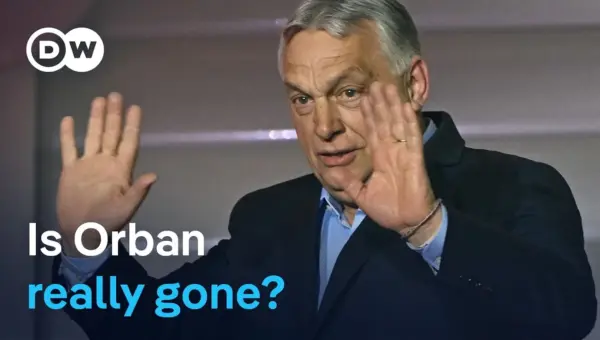
Viktor Orbán's 16-year rule in Hungary has left a lasting impact on the nation's institutions, with allies placed in key positions within the courts, media, and economy. As a new government takes power, it faces the challenge of governing within a system designed to maintain Orbán's influence. The incoming leadership aims to enact reforms, but dismantling Orbán's entrenched network will be a significant test.

Orban’s Influence Lingers: Hungary’s New Leader Faces Systemic Challenges
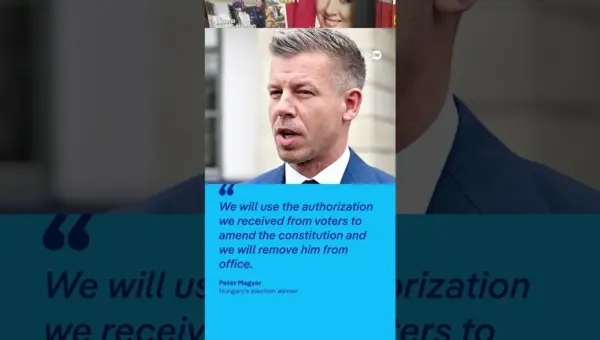
Victor Orban's party may have lost the election, but the system he built in Hungary remains. The new government faces challenges with courts, media, and presidential powers heavily influenced by Orban's allies. Peter Majar's administration must now work to dismantle these structures to enact meaningful change.