Russia’s Donbas Deadline Seen as Bluff Amid Shifting Alliances
Analysts view Russia's deadline for Donbas withdrawal as a bluff amid global distractions caused by the Iran conflict. Ukraine faces difficult choices over territorial compromise, seeking security guarantees in return. Ukrainian strikes on Russian energy infrastructure aim to raise war costs, while broader escalation risks remain low.

Kremlin’s Donbas Ultimatum Dismissed Amid Geopolitical Realignment
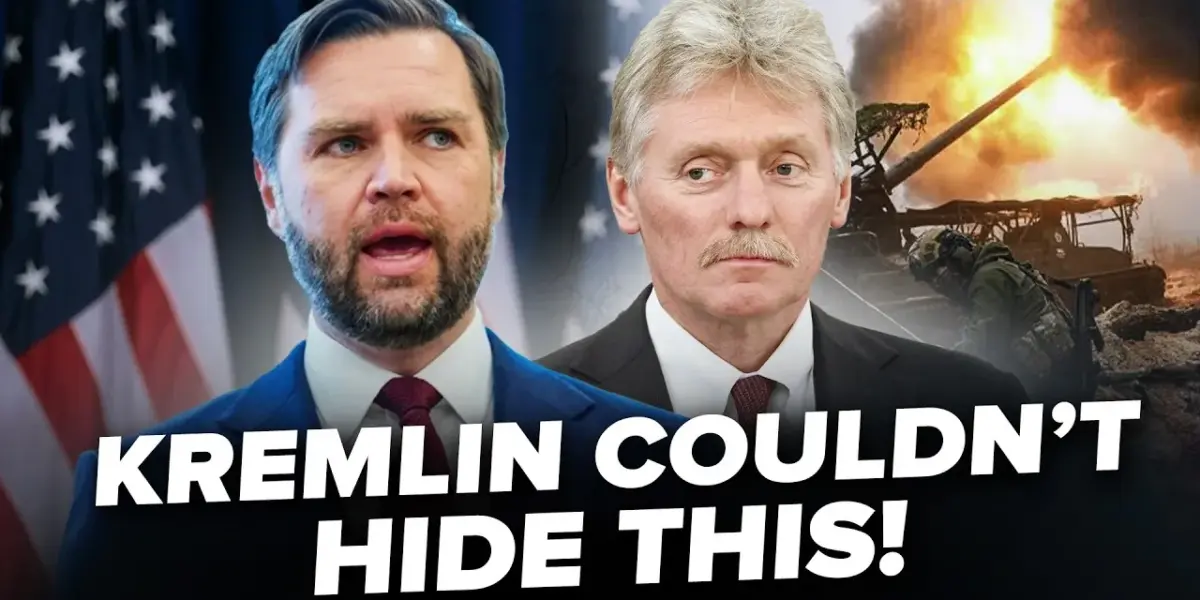
Recent pronouncements from the Kremlin, including a supposed two-month deadline for Ukraine to withdraw troops from Donbas, are largely being viewed as a strategic bluff rather than a genuine threat. Dmitry Peskov, a spokesperson for the Russian government, has suggested that Moscow and Kyiv are currently disputing only a few kilometers of territory. However, analysts argue this downplays the significance of the region, which is home to hundreds of thousands of Ukrainian citizens and has been fiercely defended.
The assertion that only a small area remains contested is seen by some as an attempt to minimize the potential cost of a territorial compromise for Ukraine. This territory holds economic, political, and human importance for Kyiv. The core question for Ukraine, according to political analyst Charles Kuchchan, is what assurances it would receive in return for any territorial concessions.
Ukraine Faces Painful Choices on Territorial Compromise
The prospect of Ukraine ceding remaining territory in Donbas to achieve peace presents a profoundly difficult decision for its government and citizens. This region is not merely a few kilometers of land; it represents a significant portion of Ukrainian territory, defended with considerable sacrifice. The economic and political value of Donbas, alongside the fate of its population, cannot be easily dismissed.
A central concern is whether Russia, under President Putin, would cease hostilities after securing all of Donbas. Without robust security guarantees from the United States and Europe, any territorial compromise carries immense risk. The uncertainty surrounding Russia’s ultimate objectives, beyond Donbas, remains a significant obstacle to a lasting peace.
Iran Conflict Distracts Global Powers, Strengthening Russia
The ongoing conflict in Iran has inadvertently benefited Russia by diverting global attention and resources. Increased oil revenues have eased financial constraints on Moscow, while Western military aid, originally intended for Ukraine, is now being redirected to the Middle East. This geopolitical shift has created a more favorable environment for Russia.
With global powers focused on the Iran crisis, opportunities for mediating peace talks between Russia and Ukraine have diminished. This distraction allows Russia to potentially increase pressure on Ukraine. The war in Iran has reshaped global priorities, indirectly aiding Russia’s strategic position.
Bluff or Threat? Examining Russia’s Donbas Deadline
The Kremlin’s demand for Ukraine to cede Donbas within two months is widely interpreted as a bluff designed to pressure Ukrainian President Zelenskyy. Russia’s current perceived empowerment stems from the global distraction caused by the Iran conflict, which has led to increased oil revenues and a redirection of military aid.
However, the assertion that Russian forces can easily seize the remainder of Donbas is questionable. Decades of fighting have resulted in significant Russian losses with limited territorial gains. The heavily fortified nature of the region and the presence of determined Ukrainian forces suggest any such attempt would lead to a prolonged and bloody conflict.
US Delegation’s Role Amid Shifting Priorities
The anticipated visit of a U.S. negotiation delegation to Kyiv after Easter faces challenges due to the current U.S. administration’s focus on the Iran conflict. Key figures in the U.S. negotiation team are heavily involved in managing the global energy crisis and related diplomatic efforts.
This diversion of attention means Ukraine may not remain the top priority for U.S. policymakers. While Ukraine has actively sought to build goodwill through its engagement in the Iran conflict, its own situation risks being sidelined until a durable ceasefire is achieved in the Middle East.
Prospects for Compromise: Cautious Optimism and Lingering Doubts
Despite lingering doubts, there are indications that both Russia and Ukraine are moving away from maximalist demands and inching closer to a compromise. Reports suggest progress in peace talks, with both sides desiring an end to the war.
A potential core bargain involves Ukraine receiving security guarantees, an expedited path to EU membership, and a long-term plan for rebuilding and rearmament. In return, Kyiv might make territorial concessions in Donbas. However, the crucial question remains whether Russia would honor such an agreement, given ongoing rhetoric about regime change in Kyiv and dismantling the post-Cold War order.
Mutual Need for Respite Amid Long-Term Russian Strategy
Both Ukraine and Russia are in dire need of a respite from the prolonged conflict, which has caused immense destruction and loss of life. However, Russia appears to be employing a long-term strategy, leveraging new supply chains with countries like China and Turkey to circumvent Western sanctions.
Ukraine’s position is complicated by political uncertainties in the United States and Europe, although the defeat of certain leaders has provided some positive signs for continued European support. The prolonged nature of the war presents a significant challenge for Ukraine, increasing the urgency for diplomatic efforts.
Lavrov’s Call for Pressure and Uncertain US Support
Russian Foreign Minister Sergey Lavrov has called for the United States to pressure Kyiv into negotiations. This pressure may manifest through reduced U.S. support, as seen with the current administration’s shift away from the substantial aid provided under the previous one.
U.S. support for Ukraine remains uncertain, particularly given the depletion of military stockpiles due to the Iran conflict. While European nations have stepped up their aid, the unpredictability of the U.S. administration, especially concerning future commitments, adds another layer of complexity for Ukraine’s decision-making at the negotiating table.
Ukrainian Strikes Target Russia’s Oil and Gas Infrastructure
Ukraine has escalated strikes against Russia’s oil and gas export infrastructure, aiming to raise the costs of the war for Moscow and bring the conflict home to the Russian public. These strikes have reportedly led to gasoline shortages in some Russian regions and reduced export revenues.
While these attacks are unlikely to cripple the Russian economy, they can influence President Putin’s cost-benefit analysis regarding a negotiated settlement. This campaign, combined with international pressure, could incentivize Russia to seek a deal.
Broader Escalation Risks and NATO’s Future
While Russia may continue hybrid provocations, such as airspace violations and cyber events, a deliberate armed attack against NATO members is considered unlikely. President Putin faces significant challenges in Ukraine and is unlikely to seek a wider conflict with the alliance.
Regarding NATO, former President Trump’s rhetoric about withdrawing from the alliance is seen as unlikely to translate into action. Despite potential personal animosity towards NATO, dismantling the alliance would offer no clear benefit to Trump, and NATO enjoys broad support within the U.S. Congress and among the public.
Source: 😱Putin’s bluff exposed! Kremlin has issued a harsh demand to US. What was decided about Donbas? (YouTube)

Related Articles


Trump’s Iran Deal Tweets Spark Mental Fitness Debate
Amidst a flurry of social media posts declaring victory in Iran negotiations, Donald Trump's stability and the actual gains of the deal are under intense scrutiny. Critics question the substance of his claims, pointing to a return to the status quo and potential concessions to Iran.


Pakistan Ports Surge as Middle East Shipping Routes Face Risk
Pakistan's ports are experiencing a significant boom as cargo ships divert from the Middle East due to conflict risks and delays. This surge in activity offers a potential economic boost for Pakistan, though its long-term sustainability is under discussion.

Trump Criticizes NATO Amid Strait of Hormuz Reopening
Former President Donald Trump criticized NATO, calling it a "paper tiger" after the Strait of Hormuz reportedly reopened. He also thanked Saudi Arabia, UAE, and Qatar for their bravery. The comments come amid ongoing developments in the critical oil shipping lane.