Iran Opens Key Oil Route, Stocks Jump Amid Ceasefire Hopes
Iran has reopened the Strait of Hormuz to commercial shipping, leading to a drop in oil prices and a rally in the stock market. This move comes as part of a fragile ceasefire agreement between Lebanon and Israel, with the U.S. heavily involved in brokering peace talks. The situation remains complex, with ongoing discussions about Iran's nuclear program and Hezbollah's future role.

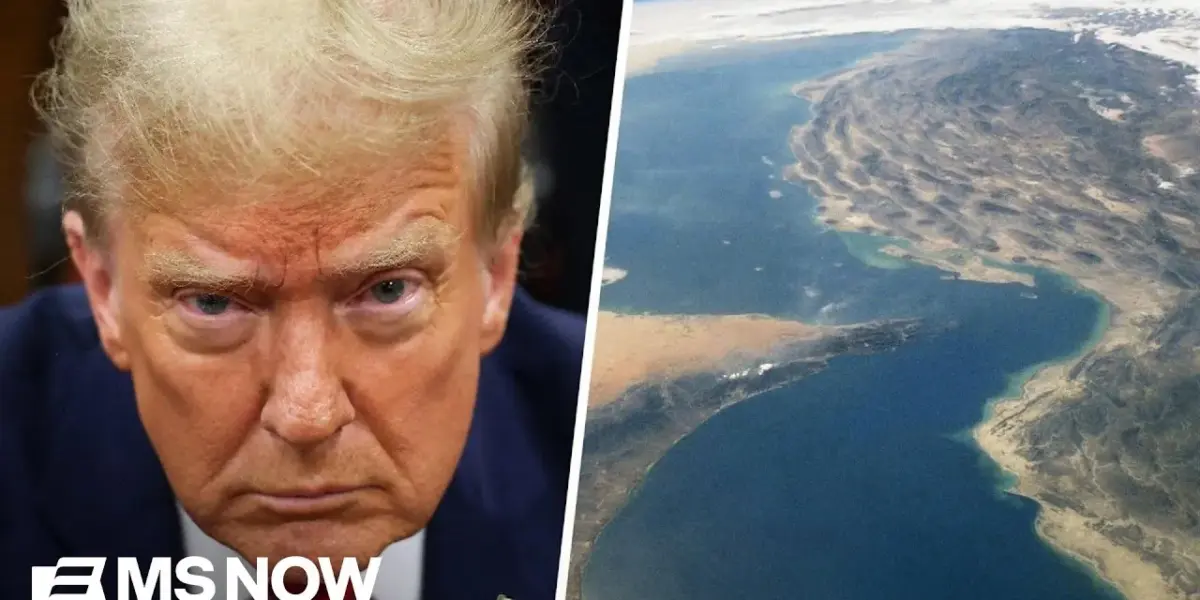
Strait of Hormuz Reopens After Iran Announcement
Oil prices dropped and the stock market climbed Tuesday after Iran announced it would reopen the Strait of Hormuz to commercial traffic. The vital waterway, through which about 20 percent of the world’s oil passes, had been a major point of tension for weeks.
Iran’s Foreign Minister, Saeed Abbas Arakshi, stated that passage for all commercial vessels is now open for the rest of a ceasefire period between Lebanon and Israel. This move is expected to bring relief to global markets and the many sailors who have been waiting to transit the strait.
White House Responds to Developments
Presidential statements on social media confirmed the reopening of the strait, with one post emphasizing that a naval blockade would remain for Iran until a “transaction” was complete. This “transaction” has been a subject of much discussion, with speculation it could involve financial matters or Iran’s uranium program.
However, the President later clarified that no money would be exchanged and that the U.S. would acquire “nuclear dust” destroyed by bombers. The President also stated that Israel would cease bombing Lebanon.
Fragile Ceasefire Holds Key to Negotiations
Military analyst Colonel Jack Jacobs noted the complexity of the situation, highlighting that the Israeli public largely wants continued action against Hezbollah. He suggested that Israeli Prime Minister Netanyahu may have yielded to White House pressure to implement a ceasefire.
This would allow the U.S. to facilitate negotiations with Iran and potentially end the broader conflict. However, the current buffer zone between Israel and Lebanon remains insufficient to protect Israeli citizens from Hezbollah attacks, adding to the delicate balance.
Israel-Lebanon Ceasefire Details
The ceasefire between Israel and Lebanon is being celebrated in Lebanon, where over 1.2 million people were displaced and more than 2,200 were killed. The 10-day agreement includes Israel pausing offensive operations and Lebanon taking steps to prevent Hezbollah operations.
Lebanon’s security forces are recognized as having exclusive responsibility for national defense. The U.S. is facilitating direct negotiations aimed at a comprehensive peace agreement.
Demands and Realities of Peace Talks
Israel’s key demands for peace talks include the disarmament of Hezbollah and a sustainable peace agreement. Hezbollah, in turn, insists on Israel’s withdrawal from all Lebanese territory and a ceasefire based on a “quiet for quiet” model.
Neither side has fully agreed to the other’s terms, leaving long-term peace uncertain. The U.S. President is pushing for these talks to ensure peace in Lebanon and prevent Hezbollah attacks on Israel.
Hezbollah’s Role and Iran’s Influence
Colonel Jack explained that while the Lebanese government is tasked with controlling Hezbollah, its capacity is limited. He emphasized Hezbollah’s role as a proxy for Iran.
Any peace arrangement with Iran could directly impact Iran’s ability to support and influence Hezbollah. Therefore, a comprehensive agreement involving the U.S., Israel, Lebanon, and Iran might be necessary to effectively manage Hezbollah’s activities.
Disarmament Outlook
The disarmament of Hezbollah, similar to Hamas, is viewed as an unlikely goal. However, if Israel feels secure that Hezbollah will not pose a threat, a resolution may be possible.
Peace agreements often happen in phases, with initial steps focusing on de-escalation. The ultimate demand for Hezbollah’s complete disarmament might become less critical if Iran exerts control to prevent the group from acting as a terrorist organization.
The coming days will be crucial as parties work to solidify the ceasefire and move forward with U.S.-Iran negotiations, with a close eye on Iran’s ongoing role and influence over Hezbollah.
Source: Oil prices sink, stock market rallies as Iran says Strait of Hormuz is now open (YouTube)

Related Articles

Trump’s Iran Deal Tweets Spark Mental Fitness Debate
Amidst a flurry of social media posts declaring victory in Iran negotiations, Donald Trump's stability and the actual gains of the deal are under intense scrutiny. Critics question the substance of his claims, pointing to a return to the status quo and potential concessions to Iran.
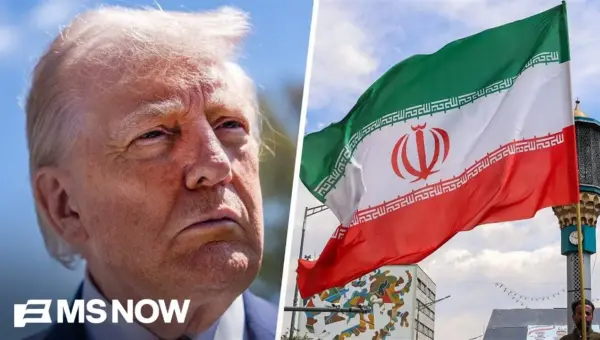
Senator: Trump Starts Wars, Claims Credit for Peace
Senator Chris Van Hollen criticized President Trump's foreign policy, likening him to an arsonist who starts fires and then claims credit for putting them out. Van Hollen argued that recent conflicts, including the one involving Iran and the Strait of Hormuz, have cost lives and billions of dollars without a clear endgame or definition of success. He called for ending these "wars of choice" and highlighted the fragility of recent ceasefires.
Trump Criticizes NATO Amid Strait of Hormuz Reopening
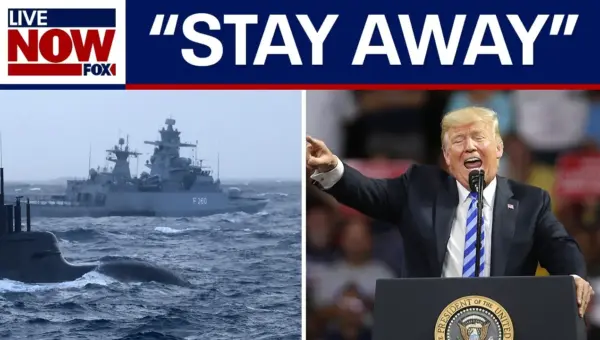
Former President Donald Trump criticized NATO, calling it a "paper tiger" after the Strait of Hormuz reportedly reopened. He also thanked Saudi Arabia, UAE, and Qatar for their bravery. The comments come amid ongoing developments in the critical oil shipping lane.