Trump Team Ignites Global Policy Chaos
The Trump administration's foreign policy is marked by a disregard for experienced advisors and a reliance on loyalists. This approach risks repeating past mistakes and creating global instability. Allies are questioning U.S. reliability, while adversaries may see opportunities.


Trump Administration’s Foreign Policy Blunders Spark Global Instability
The Trump administration is acting with a striking lack of experience in international affairs. It seems to ignore lessons learned from past American foreign policy mistakes. This approach is causing significant concern among allies and adversaries alike.
Key to this disruptive style is a deep distrust of established expertise. The administration has actively sidelined experienced diplomats, intelligence analysts, and military leaders. These are the very people who hold deep knowledge of complex global issues and historical precedents.
Instead of relying on seasoned professionals, President Trump has surrounded himself with a close group of loyalists. These individuals often lack deep foreign policy backgrounds.
Critics argue this inner circle may prioritize loyalty over candid, realistic advice. This can lead to decisions that are out of touch with global realities.
Shunning Expert Advice: A Costly Mistake
Historically, American foreign policy has often benefited from the insights of its intelligence agencies and diplomatic corps. These groups provide crucial assessments of regional dynamics and potential consequences of policy choices. Their exclusion means a vital layer of analysis is missing.
For example, understanding the intricate relationships between countries in the Middle East requires years of study and on-the-ground experience. Relying on advisors with no such background can lead to miscalculations with serious consequences. This is like trying to navigate a dangerous river without a map or a seasoned guide.
The Rise of Unrealistic Assessments
The reliance on a small, ideologically aligned group creates an echo chamber effect. This can reinforce pre-existing biases and prevent the consideration of alternative viewpoints. When advisers are more concerned with pleasing the president than delivering hard truths, bad decisions become more likely.
This dynamic can lead to policies that are based on wishful thinking rather than practical realities. Such policies often fail to achieve their stated goals and can even worsen existing problems. The administration’s approach appears to disregard the complex web of alliances and rivalries that define international relations.
Historical Parallels and Warnings
History offers numerous examples of leaders who suffered due to isolation from expert counsel. The consequences have ranged from diplomatic embarrassments to costly military engagements. Ignoring the accumulated wisdom of experienced professionals is a recurring theme in failed leadership.
Past administrations, even those with strong ideological leanings, typically maintained channels for expert input. This ensured a baseline understanding of global affairs, even when pursuing ambitious new directions. The current administration’s rejection of this norm is a departure from established practice.
Global Impact and Future Scenarios
This inward-looking and anti-expert stance has tangible effects on the global stage. Allies question the reliability of U.S. commitments, leading to uncertainty. Adversaries may see opportunities to exploit perceived weaknesses or divisions within the U.S. government.
One possible scenario is increased instability in regions where U.S. engagement is crucial. Another is the strengthening of rival powers who can capitalize on American disarray. The long-term impact depends on whether the administration adjusts its approach or continues on its current path.
The administration’s actions in early 2020, such as its approach to Iran and its trade disputes, illustrate these concerns. The lack of seasoned input risks repeating past errors on a grand scale.
Source: Foreign Policy Idiocy #shorts (YouTube)

Related Articles


Global Powers Clash Over ‘Western Civ’ Definition
A debate over what defines "Western civilization" is quietly reshaping international discussions, with differing views from figures like Marco Rubio contrasting with liberal interpretations emphasizing openness and tolerance. This ideological divide influences how nations interact and could lead to a more fragmented or cooperative global order depending on which definition prevails.
Trump Eyes Iran Deal by Monday, Hints at Support for Protests
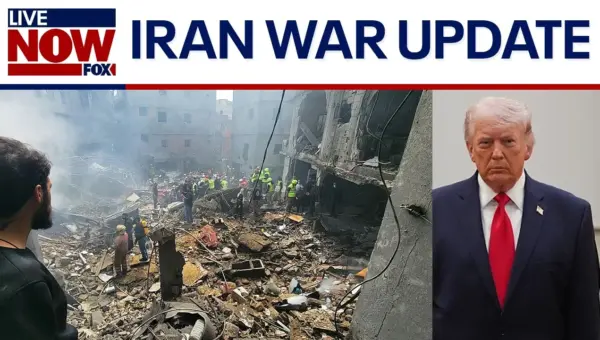
President Donald Trump believes a deal with Iran could be finalized by Monday, telling Fox News he is considering aggressive actions if an agreement isn't reached quickly. Trump also revealed that the US sent guns to Iranian protesters through Kurdish channels. He further stated that Iran's nuclear program is no longer a point of negotiation, with most issues already conceded.

Iran’s ‘Win by Not Losing’ Strategy in Middle East Conflict
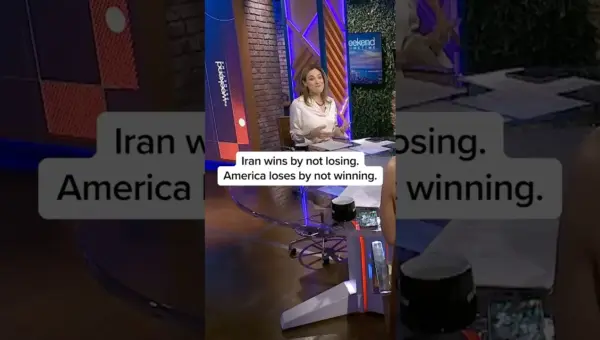
Iran is employing a "win by not losing" strategy in the ongoing Middle East conflict, avoiding direct confrontation while preventing decisive defeats. This approach contrasts with US aims for clear victories, leading to a prolonged and devastating war with no end in sight. The human cost for civilians remains a primary concern as the conflict continues.