War Fuels Inflation, Squeezes Housing Market
Geopolitical conflict has driven inflation up, pushing mortgage rates higher and signaling a slowdown in the housing market. While a crash is unlikely, savvy investors can find opportunities by focusing on cash flow and buying below market value.

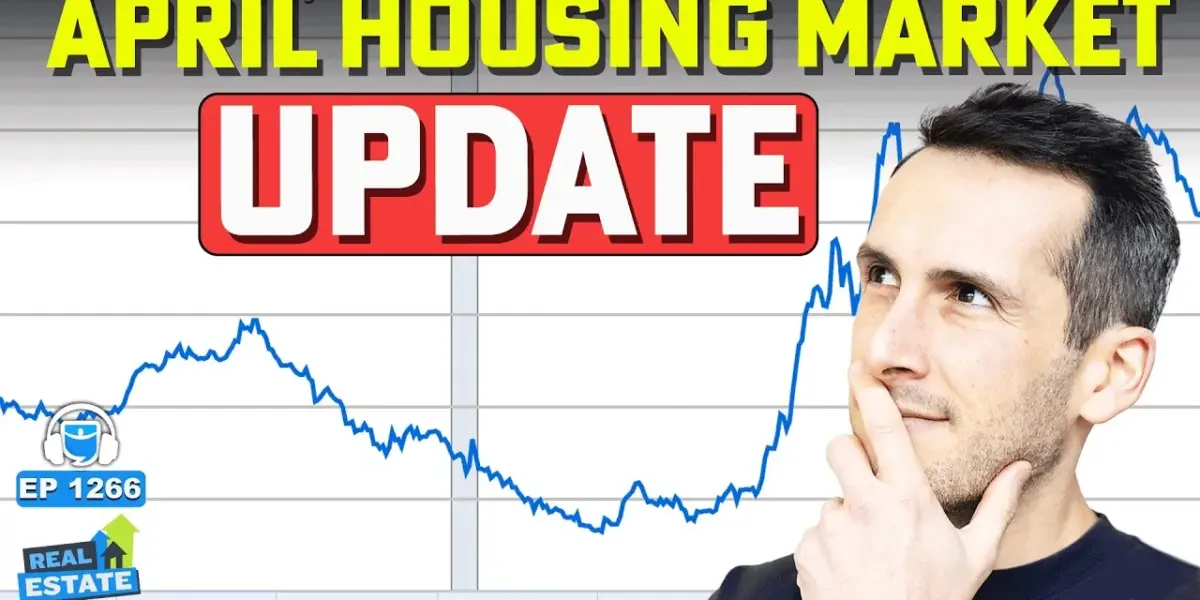
War Fuels Inflation, Squeezes Housing Market
The ongoing war in Iran is reshaping the U.S. housing market, driving up inflation and mortgage rates. This shift creates a more challenging environment for buyers and sellers alike. However, for savvy real estate investors, these turbulent times can present unique opportunities to build wealth.
Inflation Rises with Geopolitical Tension
The conflict has directly impacted inflation. As of April 10th, the Consumer Price Index (CPI) jumped from 2.4% to 3.3% in a single month. Experts predict inflation will remain higher than pre-war levels for the foreseeable future.
This rise in inflation affects consumer spending, leaving households with less disposable income. It also increases the cost of goods and materials used in home construction and shipping.
Mortgage Rates Climb Higher
Higher inflation directly translates to increased mortgage rates. Rates have already risen from a low of around 5.99% in February to the 6.3% to 6.5% range. This upward trend is expected to continue.
The yields on 10-year U.S. treasuries, which closely track mortgage rates, are sensitive to inflation. As inflation stays elevated, mortgage rates are likely to remain high, potentially for months.
Real estate investors are noticing this shift. A recent survey showed a significant drop in investor optimism regarding falling mortgage rates. Many now expect rates to stay between 6% and 6.5%, with a notable portion anticipating even higher rates, up to 7%.
Housing Market Slowdown Expected
The combination of rising inflation and higher mortgage rates is expected to slow down the housing market. Existing home sales were already low in January, with an annualized rate of 3.9 million.
This number could decrease further as uncertainty about the war and the economy weighs on buyer behavior. Affordability, which had seen some improvement, is likely to worsen as mortgage payments increase.
Investor sentiment reflects this concern. A recent survey indicated that over 50% of real estate investors anticipate a negative impact on the market from the Iran war. Less than 5% expect a positive impact.
Home Price Growth Moderates, Not a Crash
While home prices may see slower growth or even slight declines, a widespread crash is considered unlikely. Experts predict national home prices might fall between -2% and -3% this year, a modest adjustment rather than a collapse. Several factors prevent a severe downturn.
These include the replacement cost of homes, which acts as a price floor. Homeowners possess substantial equity, reducing the risk of widespread foreclosures. Current delinquency and foreclosure rates remain historically low, even with a slight increase from pandemic-era lows.
Inventory Remains Tight
Despite concerns, housing inventory has not surged. Year-over-year, inventory is down 2%, and new listings are up only slightly by 2%.
This suggests that while demand may decrease, supply is also likely to remain constrained. Lower transaction volume, rather than a flood of available homes, is the more probable outcome.
Opportunities for Savvy Investors
Despite the challenges, a slower market with less competition creates buying opportunities. Sellers may become more willing to negotiate, and properties could become available at more attractive prices. Investors can benefit by adhering to key strategies:
- Buy Below Market Value: Aim to purchase properties at least 7-10% below comparable market prices to account for potential price softening and create an immediate equity cushion.
- Prioritize Cash Flow: Ensure that any property purchased generates positive cash flow. This provides a financial buffer in uncertain times.
- Secure Fixed-Rate Debt: With rates expected to remain elevated or rise further, locking in a fixed-rate mortgage is a prudent strategy.
- Focus on Quality: Invest in great assets in desirable locations that are likely to maintain strong rental demand.
- Seek Upside Potential: After securing a solid, low-risk investment, look for opportunities like zoning changes, rent growth potential, or value-add renovations.
Understanding Inflation Types
It’s important to distinguish between types of inflation. Demand-pull inflation occurs when demand outstrips supply, often seen in a hot market with ample money supply, driving prices up. Conversely, supply-push inflation happens when the cost of producing goods and services increases, such as due to higher energy or material costs. This type of inflation, currently influenced by geopolitical events, tends to slow down the economy and dampen demand for big-ticket items like housing.
Regional Markets Vary
National trends provide a general overview, but local market conditions can differ significantly. Investors must research their specific areas. Checking local inventory levels, new listings, and days on market using resources like Redfin or Zillow is crucial for making informed decisions.
The current housing market presents a complex picture, marked by rising inflation and interest rates. While challenging for many, this environment rewards investors who adapt their strategies, focusing on solid fundamentals and disciplined buying. The next update will continue to monitor these evolving market dynamics.
Source: The War Has Changed the Housing Market | April 2026 Update (YouTube)

Related Articles

Tax Cuts vs. High Prices: Voters Feel the Pinch
Americans are feeling the economic pinch, with rising prices overshadowing tax cuts. While some indicators look good on paper, public sentiment suggests a deep dissatisfaction with the economy. Meanwhile, scandals and perceived ineffectiveness continue to plague Congress, further eroding public trust.


Stocks Hit Record High Amidst Global Turmoil
The stock market has reached a new record high despite ongoing global conflict and rising inflation. Analysts note that market performance can diverge from economic reality, with potential risks of stagflation. Investors are advised to focus on long-term strategies and avoid emotional decisions during market volatility.


Drivers Say Gas Prices Trump ‘No Tax on Tips’ Promise
Rideshare drivers in Las Vegas say rising gas and grocery prices are canceling out any benefits from the 'no tax on tips' policy. They feel economic pressures are making it harder to earn a living, despite promises of tax relief. Their experiences highlight the disconnect between political proposals and daily financial struggles.