Fox News Scrambles as Trump’s Support Hits Historic Lows
Fox News faces scrutiny as Donald Trump's poll numbers reportedly plummet, leading the network to employ unusual tactics. From attacking the Pope to focusing on culture wars, the network appears to be scrambling to support Trump amidst growing controversies and declining public favor.

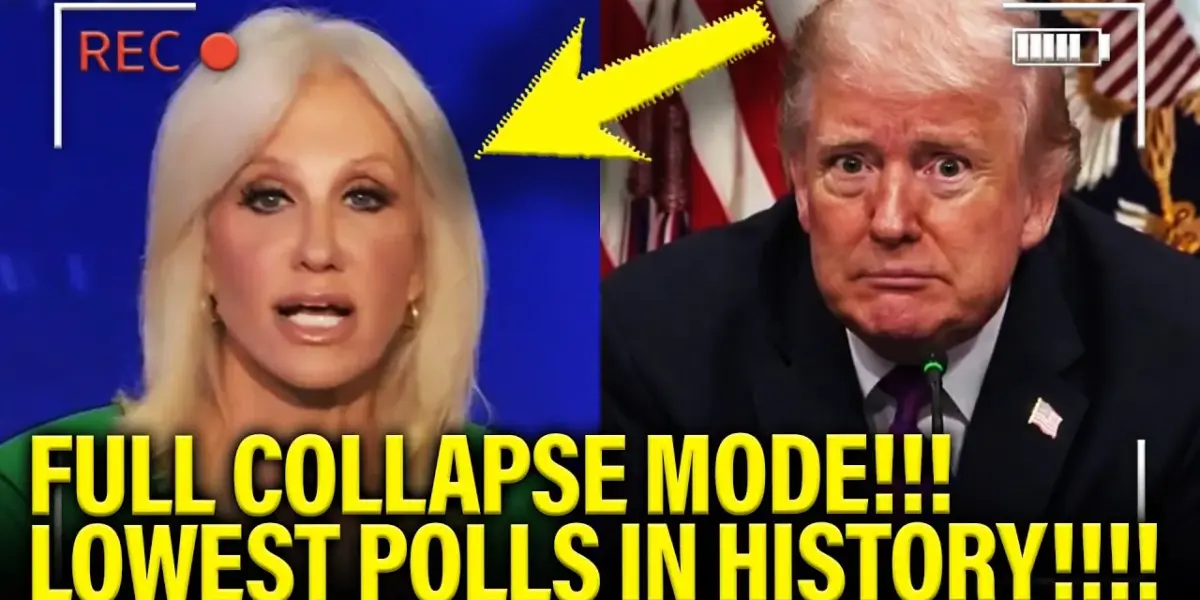
Fox News Scrambles as Trump’s Support Hits Historic Lows
Recent broadcasts on Fox News reveal a network struggling to maintain its narrative as Donald Trump’s poll numbers reportedly reach historic lows, even falling below those of Richard Nixon during his resignation. This situation appears to have pushed the network to amplify its pro-Trump messaging and engage in unusual tactics to distract from perceived failures and controversies surrounding the former president.
The strategy seems to involve a multi-pronged approach. One tactic involves attacking prominent figures, such as Pope Francis, and promoting controversial or bizarre content. This is happening while Trump himself is posting AI-generated images of himself as Jesus and engaging in public disputes with the Pope, who has spoken out against war and conflict.
Attacking the Pope and Promoting War Rhetoric
Sean Hannity, a prominent Fox News host, has been particularly vocal in his criticism of Pope Francis. Hannity has accused the Pope of promoting “leftist Marxist policies” and has questioned his stance on war. This criticism comes as Trump has been accused of using AI to create images of himself with Jesus and has reportedly withdrawn millions of dollars from Catholic organizations, seemingly as a response to the Pope’s messages of peace and empathy.
The network has also featured guests who echo pro-war sentiments, contrasting with the Pope’s calls for peace. Franklin Graham, an evangelical preacher, appeared on Fox News to suggest that bombing Iran is what Jesus would want, aligning with a “just war” doctrine. This narrative directly opposes the Pope’s statement that “God does not bless any conflict and certainly doesn’t side with those who drop bombs.”
Distractions and Culture War Talking Points
Beyond direct political commentary, Fox News appears to be employing diversionary tactics, focusing on cultural issues and personal attacks. Clips show hosts discussing celebrity reactions to political stances and engaging in debates about gender and voting patterns. Kellyanne Conway, a former advisor to Trump, has also made appearances, discussing economic issues and promoting the idea of a Trump presidency bringing “energy dominance, stability in the Middle East.”
However, critics argue that these discussions often ignore pressing economic realities, such as inflation and the rising cost of living. The transcript highlights a contrasting view from Jessica Tarlov, who points out that while Trump’s administration may have had some successes, the current economic situation under Biden shows job growth and better GDP performance. Tarlov also criticizes the narrative that people should vote based solely on gender, emphasizing individual values and positions on issues.
Controversial Guests and Shifting Narratives
The network has also featured guests like Lindsey Graham, who has been described as appearing “aroused talking about war.” Graham has spoken about Trump directly confronting Iran and has advocated for military action. This rhetoric is presented as evidence of Trump’s strength, with Graham suggesting that his phone calls to Iranian leaders are a sign of his assertive leadership.
The transcript also touches on the controversy surrounding Trump’s AI-generated images. While Trump’s team, including Conway, has defended the images, suggesting they were misinterpreted and intended to show a doctor helping someone, critics see this as a deliberate attempt to portray Trump in a messianic light. The network’s hosts often dismiss criticisms as the work of “enemies foaming at the mouth.”
The Role of Media in Political Discourse
The analysis suggests a pattern of media outlets, particularly those aligned with a specific political figure, resorting to sensationalism and distraction when faced with unfavorable public opinion or scandals. The use of cultural war issues and personal attacks on political opponents, such as Jessica Tarlov, can be seen as an attempt to shift focus away from substantive policy debates or declining approval ratings.
Trump’s own reaction to Tarlov’s critical commentary, posting a lengthy all-caps message on social media calling her “unattractive and untalented” and accusing her of making up poll numbers, further illustrates the intensity of the conflict. This direct engagement from Trump highlights the intertwined nature of political figures and the media platforms that amplify their messages, for better or worse.
Why This Matters
The events described highlight the critical role of media in shaping public perception, especially during election cycles. When a major news network appears to be actively promoting a particular political agenda and using controversial tactics to defend a candidate, it raises questions about journalistic integrity and the health of public discourse.
The focus on culture war issues and personal attacks, rather than policy substance, can distract voters from critical economic and social challenges. This approach can polarize the electorate further, making it harder to find common ground and address complex national problems effectively.
Implications and Future Outlook
The observed strategies suggest a growing reliance on emotional appeals and divisive rhetoric in political campaigning. As poll numbers become a central focus, news organizations may feel pressured to engage in more extreme forms of advocacy to retain viewers and influence public opinion.
This trend could lead to a further erosion of trust in media institutions and a more fragmented information environment. Voters may find it increasingly difficult to access objective reporting and make informed decisions based on factual information. The future outlook suggests a continued battle for narrative control, with political actors and media outlets employing increasingly aggressive tactics.
Historical Context
The comparison to Richard Nixon’s declining poll numbers during his presidency is significant. Nixon’s downfall was marked by a series of scandals and a growing loss of public trust, which the media at the time extensively covered. The current situation, where a prominent news network is perceived as actively working to strengthen a candidate facing similar challenges, points to a potential shift in media’s role from reporting to active political participation.
Historically, media has played a key role in holding power accountable. However, the rise of partisan media outlets has blurred these lines, leading to situations where news organizations are seen as extensions of political campaigns. This has created a complex media environment where distinguishing between news reporting and political propaganda can be challenging for the average viewer.
The upcoming election cycle will likely see a continuation of these trends, with increased scrutiny on how media outlets cover political candidates and events. The effectiveness of these tactics, and the public’s reaction to them, will be crucial in determining the future of political communication and media consumption.
Source: Fox News COLLAPSES ON AIR as Trump HITS LOWEST in HISTORY!!!! (YouTube)

Related Articles
Trump’s War on the Pope: A Risky Gamble for Catholics
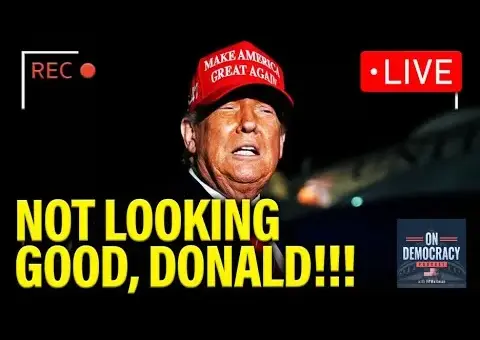
Donald Trump's recent criticism of Pope Francis risks alienating Catholic voters, a key demographic for Republicans. Meanwhile, experts describe the ongoing Middle East conflict as a "colossal disaster," with Iran consolidating influence and geopolitical alliances shifting. This dual approach appears to be a risky gamble driven by political desperation and a flawed strategy.

Psaki: Trump ‘Cornered Animal’ Losing Support, Polls Show
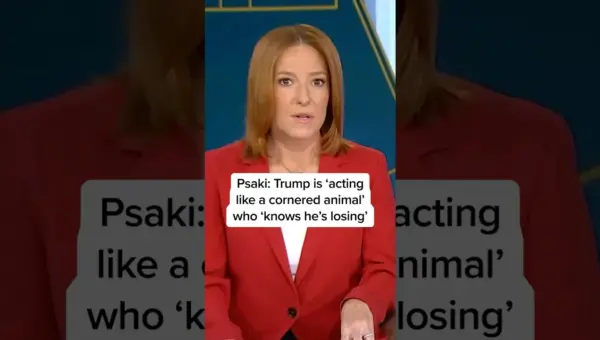
Jen Psaki has described Donald Trump's campaign behavior as that of a 'cornered animal' who 'knows he's losing.' Psaki cited recent polls showing Trump's approval ratings have fallen below 40 percent in six tracked surveys. This suggests a potential weakening of his support base and a defensive posture in his public actions.

Trump’s Iran Deal Tweets Spark Mental Fitness Debate
Amidst a flurry of social media posts declaring victory in Iran negotiations, Donald Trump's stability and the actual gains of the deal are under intense scrutiny. Critics question the substance of his claims, pointing to a return to the status quo and potential concessions to Iran.