Trump Declares Strait of Hormuz Open, Iran Says Blockade Continues
President Donald Trump announced the Strait of Hormuz is "fully open" following a reported Israel-Lebanon ceasefire. Iran confirmed the strait is "completely open" but stated the U.S. blockade will remain in effect. This mixed messaging highlights ongoing regional tensions and their impact on global trade.

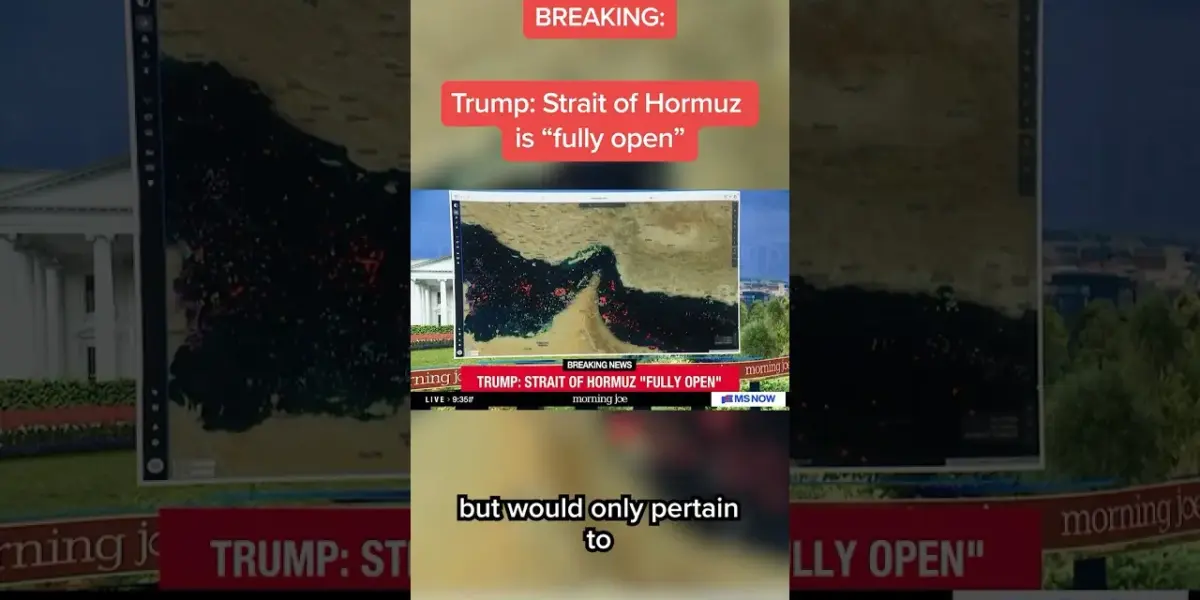
Strait of Hormuz Declared Open Amid Shifting Geopolitics
President Donald Trump announced that the Strait of Hormuz is now “fully open,” a declaration made in the context of an apparent ceasefire between Israel and Lebanon. However, Iran has countered, stating the strait remains “completely open” but also asserting that the U.S. blockade will stay in place. This mixed messaging from key players highlights the ongoing tensions and complex diplomatic maneuvers in a critical global waterway.
The Strait of Hormuz, a narrow waterway connecting the Persian Gulf to the open ocean, is vital for global oil transport. Any disruption here can significantly impact oil prices and international trade. The recent statements suggest a potential de-escalation, but the continuation of U.S. sanctions adds a layer of uncertainty.
Context of the Announcement
Trump’s statement comes at a time of heightened regional activity. The reported Israel-Lebanon ceasefire appears to be a significant development influencing the geopolitical climate. This ceasefire may have prompted Iran to signal a willingness to ease maritime passage, at least in name.
However, the U.S. blockade, which refers to economic sanctions and naval presence aimed at restricting Iran’s international trade and influence, remains a key point of contention. Iran’s insistence that the blockade continues suggests that while maritime traffic might be less restricted, broader economic pressures on the country are not being lifted.
Iran’s Position on the Strait
Iran’s official stance is that the Strait of Hormuz is “completely open.” This statement likely aims to project an image of control and normalcy, potentially to reassure international shipping and markets. It could also be a strategic move to counter U.S. pressure and demonstrate its own influence in the region.
Yet, the simultaneous assertion that the U.S. blockade will remain in effect indicates that Iran views the situation as a complex balancing act. The opening of the strait, if it occurs, may be seen by Tehran as a tactical concession or a result of external pressures, rather than a sign of full compliance with U.S. demands.
U.S. Blockade and Sanctions
The U.S. blockade, primarily enacted through extensive economic sanctions, targets Iran’s oil exports, financial institutions, and access to international markets. These measures are intended to curb Iran’s nuclear program and its support for regional militant groups.
The continuation of these sanctions, as stated by Trump, means that while ships may pass through the Strait of Hormuz more freely, Iran’s economy remains under significant strain. This dual approach — allowing passage while maintaining economic pressure — reflects a broader U.S. strategy to isolate and influence Iran’s behavior.
Broader Implications for Global Trade
The Strait of Hormuz is one of the world’s most critical choke points for oil. Approximately 20% of global oil consumption passes through it daily. Any perceived instability or actual closure can lead to sharp increases in oil prices, affecting economies worldwide.
Trump’s declaration of the strait being “fully open” could be seen as an effort to stabilize global energy markets and reassure allies. However, the ongoing U.S. sanctions on Iran introduce a layer of complexity. The effectiveness of the strait’s openness for global trade will depend on how these competing factors play out in practice.
Future Outlook
The situation remains fluid, with conflicting statements from the U.S. and Iran. The true impact on global shipping and oil prices will depend on consistent adherence to any de-escalation and the practical implications of the ongoing U.S. sanctions regime. International observers will be closely watching for further developments and clarifications from both Washington and Tehran in the coming days and weeks.
The next crucial steps will involve monitoring actual shipping traffic through the strait and observing any further diplomatic exchanges between the U.S. and Iran. The stability of the region and the global energy market hinge on these developments.
Source: BREAKING: Trump: Strait of Hormuz is "fully open" (YouTube)

Related Articles
Trump’s NATO Threats Spark European Defense Fears
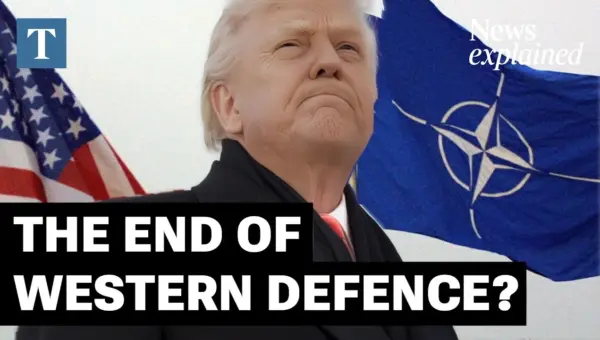
Former President Donald Trump's sharp criticism of NATO and threats to withdraw U.S. support have ignited fears about Europe's ability to defend itself. As tensions rise globally, European nations are increasing their military readiness, but a significant power vacuum could emerge if the U.S. disengages. Russia, meanwhile, appears to be watching closely, potentially benefiting from perceived disunity within the alliance.
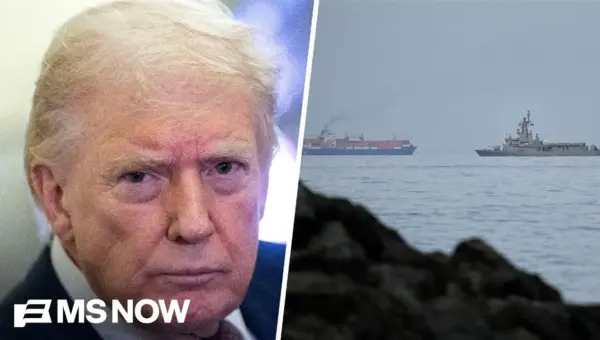
Trump Claims Iran Will Keep Strait of Hormuz Open
President Trump announced that Iran has agreed to keep the Strait of Hormuz open for shipping, linking it to a ceasefire in Lebanon. While presented as a major breakthrough, experts urge caution due to a lack of official confirmation from Iran and potential conditions attached to the agreement.
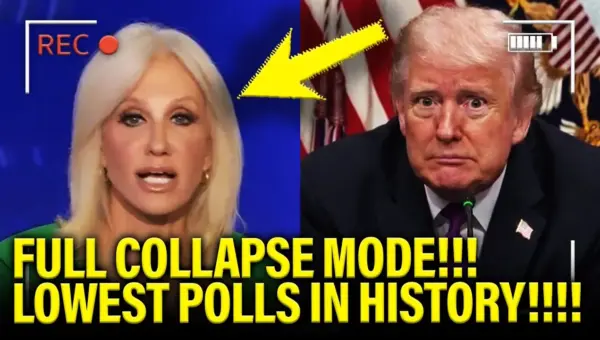
Fox News Scrambles as Trump’s Support Hits Historic Lows
Fox News faces scrutiny as Donald Trump's poll numbers reportedly plummet, leading the network to employ unusual tactics. From attacking the Pope to focusing on culture wars, the network appears to be scrambling to support Trump amidst growing controversies and declining public favor.