Court Weighs Cameras in Charlie Kirk Murder Case
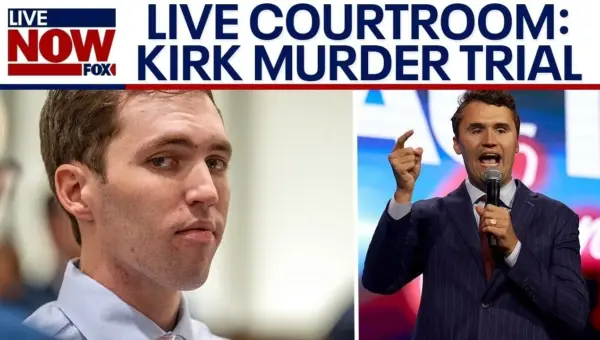
A key hearing is underway today for Tyler Robinson, accused in the murder of Charlie Kirk. The central debate in court is whether to allow news cameras, balancing public access against the defendant's right to a fair trial. Robinson's defense team, bolstered by a social psychologist, argues intense publicity makes an impartial jury impossible. The victim's widow, however, supports camera access, creating a complex decision for the judge.

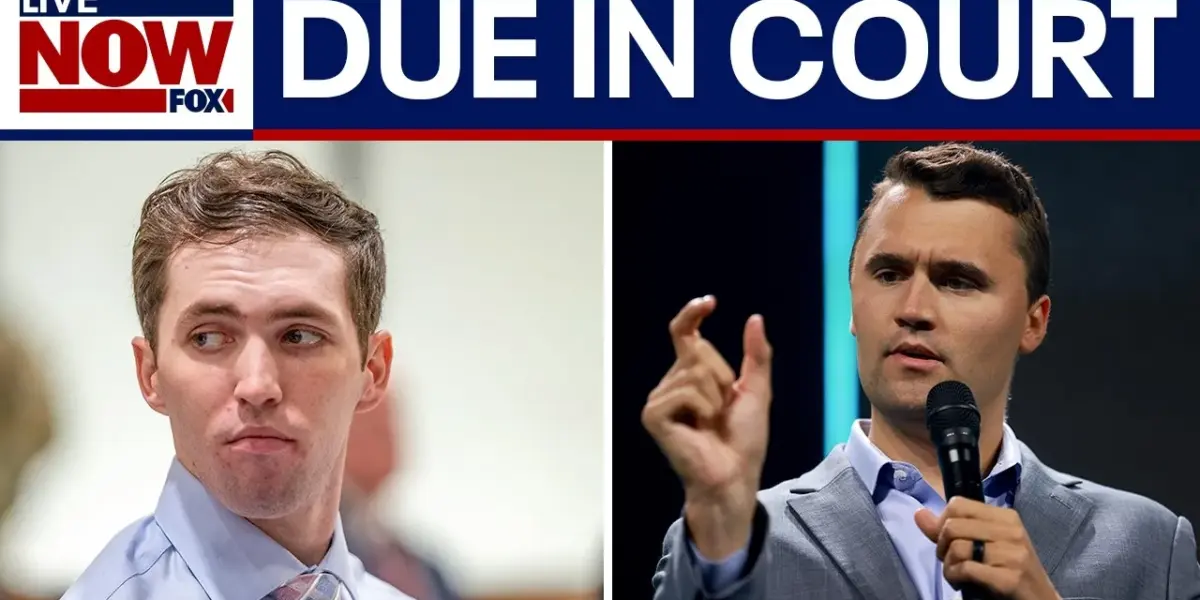
Court Debates Camera Access in Charlie Kirk Murder Case
A critical hearing is taking place today regarding the trial of Tyler Robinson, accused in the shooting death of Charlie Kirk. The central issue is whether news cameras will be allowed inside the courtroom. This decision weighs the public’s right to access court proceedings against the defendant’s right to a fair trial.
Robinson, 22, has not yet entered a plea, more than seven months after the incident. The shooting occurred in front of thousands of people at Utah Valley University in Orem, Utah.
Defense Fights for Fair Trial Amidst Publicity
Robinson’s defense team is pushing to exclude cameras, arguing that extensive media coverage has made it impossible to find an impartial jury. They claim the publicity surrounding the case taints the jury pool, potentially hindering a fair trial.
This is a common strategy in high-profile cases, especially those involving the death penalty. The defense has been actively litigating various aspects of the case, from potential changes of venue to disqualifying local prosecutors.
Legal analyst Nema Romani explained that in states like Utah, cameras are generally presumed to be allowed in courtrooms. However, the defense is arguing that the sheer volume of publicity makes this case an exception.
They point to social media posts and videos of the incident as contributing factors to this intense public attention. The defense wants to show that this media saturation makes finding unbiased jurors extremely difficult.
Victim’s Widow Supports Camera Access
In a notable turn, Erica Kirk, the widow of Charlie Kirk, supports allowing cameras in the courtroom. While she is not a direct party in the legal proceedings, her voice carries weight.
The prosecution has remained neutral on the camera issue, while law enforcement also opposes their presence. Media organizations, including Fox News, have intervened, advocating for the public’s right to observe the trial.
Romani highlighted that while victims have rights to be heard, the final decision rests with the judge, considering arguments from the prosecution, defense, and media interveners. The victim’s desire for transparency contrasts with the defense’s plea for privacy to ensure a fair trial. This creates a complex balance for the judge to consider.
Expert Witness to Testify on Jury Bias
The defense plans to call social psychologist Brian Edelman as an expert witness. Edelman previously played a key role in a successful motion to change the venue in the Idaho student murders case involving Bryan Kohberger.
His testimony is expected to focus on how widespread media attention, including social media, can negatively impact a jury’s impartiality. The defense hopes he will demonstrate that the intense publicity makes it impossible for Robinson to receive a fair hearing.
Romani suggested two potential outcomes from this line of argument: either the trial venue could be moved to a different county, or the judge could ban cameras to help the defense present their case. However, the prosecution might counter that Robinson himself generated much of the publicity through the alleged actions during the shooting, which occurred in front of thousands of witnesses.
Death Penalty Case Faces Lengthy Appeals
Robinson faces serious charges, including aggravated murder and felony discharge of a firearm causing serious bodily injury. The potential for a death sentence means the case will likely involve lengthy appeals.
Romani explained that death penalty cases have dual appeal tracks in both state and federal courts, often taking years or even decades before execution. This lengthy appeals process is why early legal strategies and motions are crucial.
Lawyers file numerous motions not just for immediate success but to create potential grounds for appeal later. Failing to raise these issues during the trial court proceedings can result in waiving them on appeal. In death penalty cases, where appeals are mandatory, these early legal battles are a strategic part of the process, even if they seem like procedural gamesmanship.
Case Progresses Slowly
The case has moved slowly, with Robinson not yet entering a plea seven months after his arrest. This delay is attributed to various factors, including competency evaluations, security concerns during Robinson’s transport, and extensive legal challenges. The defense’s motion to disqualify a prosecutor due to a familial connection to the victim’s daughter also added to the delay.
While defendants have a right to a speedy trial, they can waive this right by filing numerous motions, as seen in this high-profile death penalty case. The judge is expected to rule on the camera motion today.
The court is scheduled to begin at 12:00 p.m. Eastern Time.
Source: Charlie Kirk murder suspect due in court (YouTube)

Related Articles
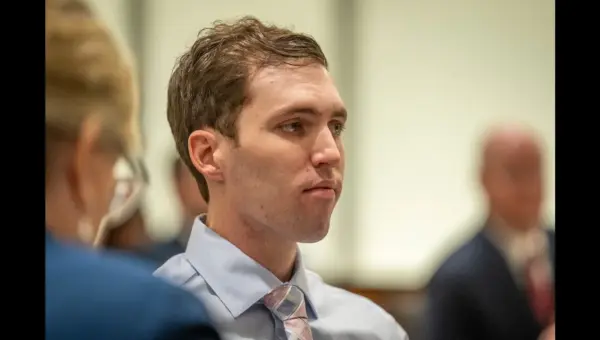
Courtroom Cameras Under Fire in High-Profile Case
Attorneys for Tyler James Robinson are asking to ban courtroom cameras and delay his preliminary hearing. They argue crucial DNA data from federal labs is missing, hindering their ability to challenge the state's case. The prosecution contends the hearing's purpose is only to establish probable cause and the discovery issues are for trial preparation.
Court Gears Up for Tyler Robinson Trial in Charlie Kirk Case
A Utah court session focused on the Tyler Robinson case, accused of murdering Charlie Kirk. The defense sought to delay the preliminary hearing due to alleged discovery issues with critical DNA data from federal labs. The state countered that the preliminary hearing's purpose is solely to determine probable cause and that the defense's concerns are for trial preparation.


TPUSA Event Honors Charlie Kirk, Tackles Debt and Faith
Turning Point USA hosted a "This is the Turning Point" event at George Washington University, featuring White House Press Secretary Karoline Leavitt and TPUSA CEO Erica Kirk. The gathering addressed the student loan crisis, emphasized conservative values and faith, and honored the legacy of the late Charlie Kirk. Speakers framed current societal challenges as a spiritual battle, urging attendees to stand firm in their beliefs.