Fake Images Fuel Strait of Hormuz News: How to Spot AI
Many news outlets are using AI-generated images to cover the Strait of Hormuz, a vital oil and gas route. These fake pictures can mislead the public about real-world events. Experts suggest checking image sources, looking for logical errors, and using reverse image searches to spot fakes.

AI Images Flood Strait of Hormuz News Coverage
News reports about the critical Strait of Hormuz have increasingly featured images that are not real. Many media outlets are using pictures created by artificial intelligence (AI) to illustrate stories about the vital waterway. This practice raises concerns about the accuracy of news people are seeing worldwide.
The Strait of Hormuz is a very important shipping route. A large amount of the world’s oil and gas passes through it every day.
Recently, tensions flared after US and Israeli strikes on Iran in late February. Iran responded by blocking the strait, which caused fuel prices to jump globally.
Why AI Images Are Being Used
The conflict and its impact on global energy markets have made the Strait of Hormuz a major news focus. People around the world are directly affected by what happens there.
However, instead of using actual photographs, many news sources have turned to AI-generated images. These pictures can look very convincing at first glance.
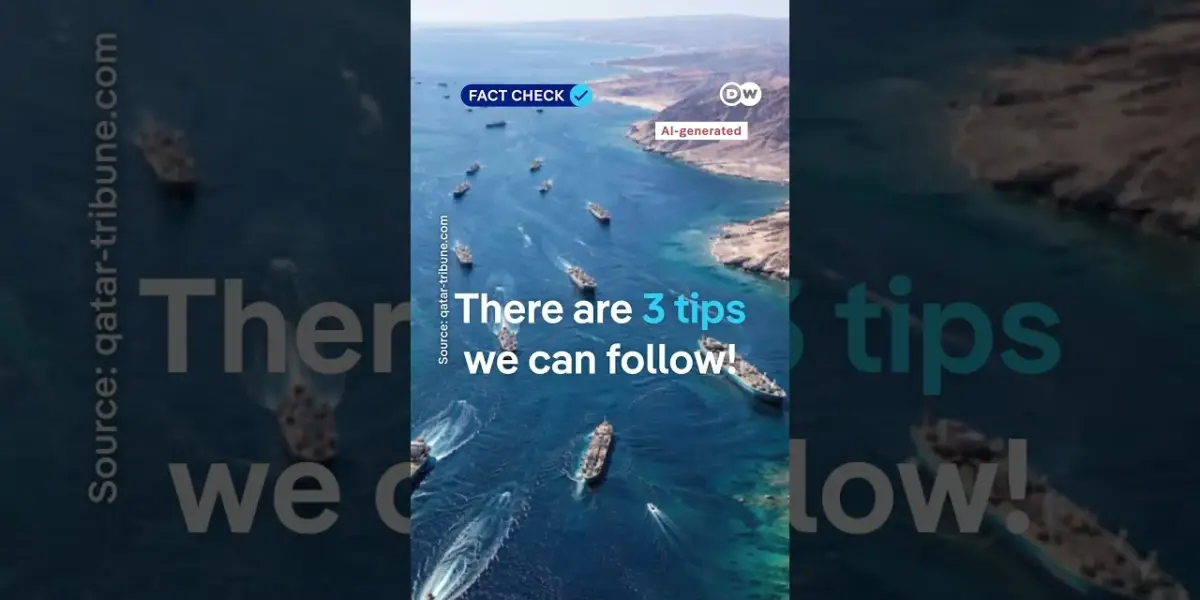
One example shows a seemingly realistic image of the strait. But this picture was actually created by a computer program. The ease of generating such images means they can be spread quickly, making it harder for the public to tell what is real.
How to Identify Fake Images
Distinguishing between real and AI-generated photos is becoming increasingly important for news consumers. Fortunately, there are several simple steps you can take to check an image’s authenticity. These methods can help you become a more informed reader or viewer.
Check the Source and Photographer
The first tip is to look at the source of the image. Does the website, blog, or media outlet clearly state who took the photo?
Is a specific photographer or news agency credited? If there is no mention of a photographer or agency, it could be a warning sign that the image is not legitimate.
Analyze the Image for Errors
The second step involves closely examining the image itself. Does the scene depicted make sense? AI can sometimes create strange or illogical details.
For instance, one AI image showed a ship heading directly towards rocks. In a real-world situation, a ship’s captain would never steer into danger like that, so the image contains a clear error.
Use Reverse Image Search
The third method is to use a reverse image search. This tool allows you to upload an image and see where else it has appeared online.
You can check if major news organizations with strict editorial standards have used the same picture. If reputable outlets have not used it, it might suggest the image is not real.
In one instance, a reverse image search for a suspicious photo revealed that no large media companies had published it. A post from April 8 explicitly labeled the image as being made with AI. This kind of investigation can quickly expose fabricated content.
Broader Implications for News Consumption
The use of AI-generated images in news reporting poses a challenge to trust in media. As AI technology becomes more advanced, these fake images will likely become even harder to detect. This situation highlights the need for greater transparency from news providers about their image sources.
Audiences must become more critical of the visual content they consume. Learning to spot AI fakes is a new skill for navigating today’s information environment. It requires a combination of source checking and careful observation of the images presented.
What to Watch Next
As AI image generation continues to improve, news organizations face pressure to adopt clear guidelines for using such visuals. Consumers should look for updates on how media outlets are addressing this issue. The next few months will likely bring more discussion on AI ethics in journalism and new tools to help identify fake images.
Source: Fact check: News outlets use AI-generated images of Strait of Hormuz | DW News (YouTube)

Related Articles
US Blocks Strait of Hormuz, Sparking Global Concern
The United States has begun blocking ships in the Strait of Hormuz, a crucial global oil transit route. This move follows a previous six-week blockade by Iran and is seen as a pressure tactic by the Trump administration. Analysts express concern over potential escalation and global economic fallout.
Iranians Rally Against US Sanctions, Vow Retaliation
Thousands of Iranians rallied against U.S. sanctions and perceived aggression, showing strong support for their armed forces. The protests highlighted concerns over the Strait of Hormuz and issued warnings of retaliation should threats materialize. The demonstrations underscore national resolve amidst ongoing international pressure.
President’s Jesus Image Sparks Outrage, Clarification
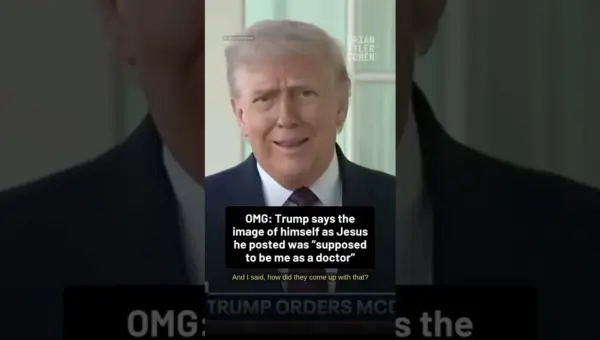
A social media post by President [Insert President's Name Here] led to controversy, with many seeing the image as a depiction of him as Jesus Christ. His team clarified it was meant to show him as a doctor aiding the Red Cross, blaming "fake news" for misinterpretation.