Cuban-Americans Gauge Trump’s “Take Care” Promise
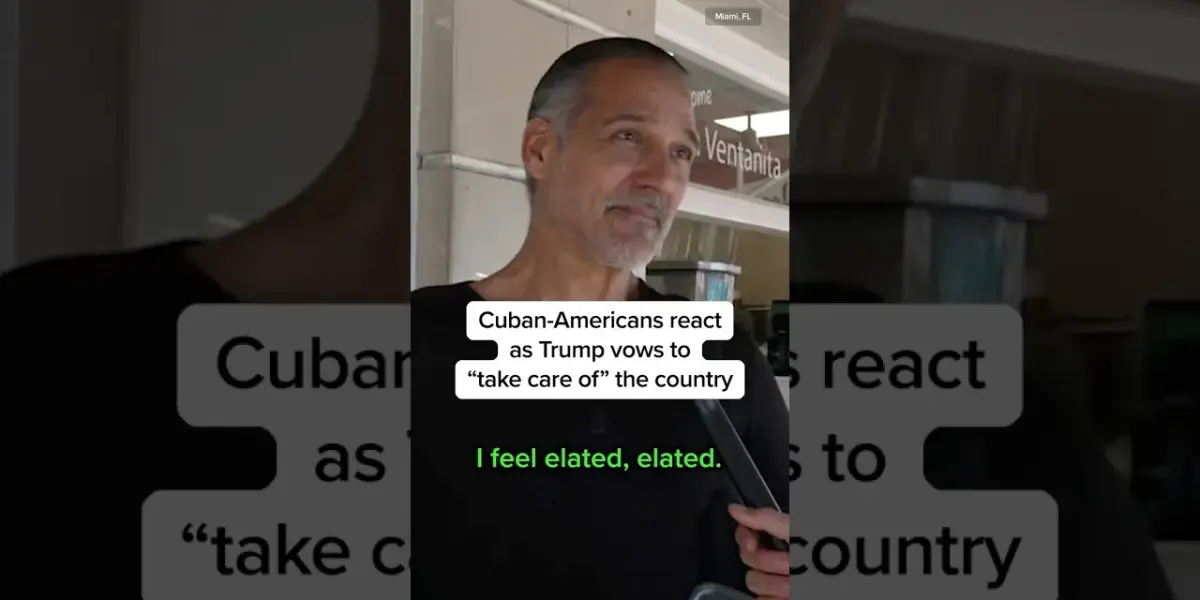
Cuban-Americans in Miami are reacting to Donald Trump's pledge to "take care" of the country. Residents shared a mix of hope and skepticism, emphasizing the need for specific policies that benefit both the U.S. and their homeland.

Miami’s Cuban-American Community Weighs Trump’s Pledge
Miami, FL – In the heart of Miami, Florida, a city historically intertwined with the Cuban diaspora, residents are closely scrutinizing recent pronouncements by former President Donald Trump. Following his vow to “take care” of the country, Cuban-Americans in the region are sharing their perspectives, grappling with the implications of his rhetoric and its potential impact on their community and U.S. policy towards Cuba.
A Community’s Pulse: Reactions to Trump’s Slogan
MS NOW’s Alex Tabet engaged directly with members of the Cuban-American community in Miami to gauge their reactions to Donald Trump’s assertive pledge. The phrase “take care of the country,” while broad, resonates with a community that has long felt a deep connection to U.S. Foreign policy and its implications for their homeland. For many, Trump’s words evoke memories of past administrations and policy shifts that have directly affected their families and their hopes for Cuba’s future.
The sentiment among those interviewed suggests a complex mix of hope, skepticism, and a keen awareness of the political landscape. While some express a degree of optimism that a Trump presidency might lead to a stronger stance against the current Cuban government, others remain wary, recalling past policies and the unpredictable nature of political promises.
Historical Context: The Cuban-American Vote in Florida
The Cuban-American vote in Florida has long been a significant and often decisive bloc in presidential elections. Historically, this demographic has leaned Republican, driven by concerns over U.S. policy towards Cuba, human rights issues, and economic freedom. However, recent years have seen a diversification of political views within the community, with younger generations and those with different life experiences expressing a broader range of political ideologies.
Trump’s appeal to this community has often centered on his tough stance on immigration and his promises to confront authoritarian regimes, including the one in Cuba. His administration previously implemented stricter sanctions against Cuba and reversed some of the Obama-era policies aimed at normalizing relations. These actions were largely welcomed by hardline anti-Castro elements within the diaspora but were also criticized by those who believed engagement was a more effective path to change.
Diverse Perspectives on “Taking Care”
When asked about Trump’s promise to “take care” of the country, the responses from Cuban-Americans in Miami were varied, reflecting the diverse experiences and political leanings within the community.
“He says he’s going to take care of the country. For us, that means taking care of our families back home too. We want to see real change, not just words,” shared one resident, echoing a common sentiment of desire for tangible action.
Another individual expressed a more cautious outlook: “We’ve heard promises before. What does ‘take care’ really mean for Cuba?
Will it be more sanctions that hurt the people, or will it be a real plan to support democracy? We need specifics.” This sentiment highlights a desire for clarity and a strategic approach rather than generalized political slogans.
Some younger members of the community, while acknowledging the historical grievances, expressed a desire for policies that might foster greater openness and economic opportunity, both for themselves and for those in Cuba. “It’s not just about being tough on the government; it’s also about how we can help the Cuban people directly. We need policies that create opportunities, not just restrictions,” stated a young entrepreneur.
Broader Implications for U.S.-Cuba Relations
Donald Trump’s rhetoric and potential policy shifts have significant implications for the future of U.S.-Cuba relations. His past actions, such as tightening sanctions and limiting travel, signaled a departure from the Obama administration’s engagement policy.
If elected again, it is widely anticipated that he would continue or even intensify these measures. Such a stance could further isolate the Cuban government but might also exacerbate economic hardships for the Cuban people, potentially leading to increased migration flows to the United States.
The international community also watches U.S. policy towards Cuba closely. Shifts in American policy can influence diplomatic relations with other Latin American countries and affect broader geopolitical dynamics in the region. The “take care” promise, therefore, is not just a domestic political slogan but a potential signal for a renewed era of assertive U.S. Foreign policy, the consequences of which would extend far beyond Florida’s shores.
Looking Ahead: What’s Next for the Cuban-American Community?
As the political landscape evolves, the Cuban-American community in Miami will remain a key focus. Their reactions and voting patterns will continue to be closely observed, offering insights into the broader appeal of different political platforms and their potential impact on U.S. Foreign policy. The coming months will likely see further engagement from political candidates seeking to win over this influential demographic, and the community’s response to these overtures will be critical in shaping not only local elections but also national policy, particularly concerning Cuba.
Source: Cuban-Americans react as Trump vows to "take care" of the country (YouTube)

Related Articles

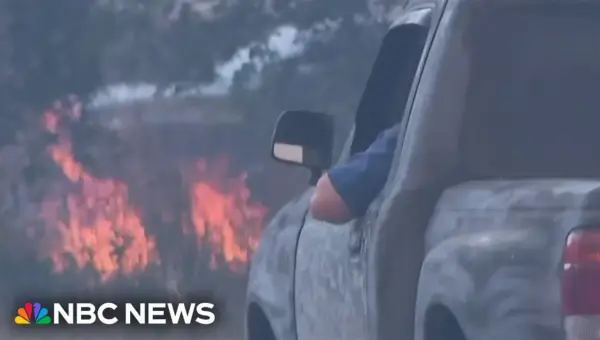
Wildfires Rage in Georgia and Florida, Forcing Evacuations
Wildfires are burning thousands of acres across Georgia and Florida, forcing evacuations and destroying homes. Dry, windy conditions are making it difficult for firefighters to control the fast-moving blazes. Air quality has become a major concern in affected regions, with some fires expected to burn for weeks.
Trump’s Iran Stance: Bold Strategy or Tactical Retreat?
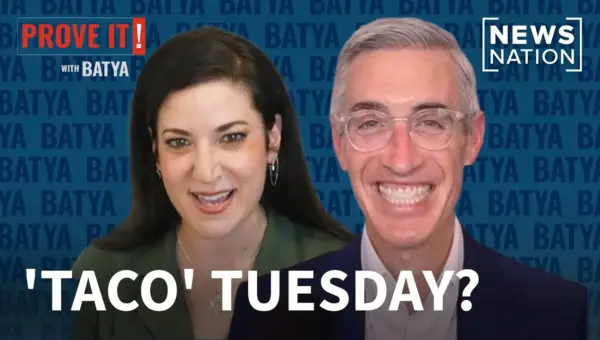
The debate over Donald Trump's handling of Iran centers on whether his extension of a ceasefire was a strategic masterstroke or a sign of weakness. Supporters argue he's playing a long game, leveraging Iran's economic woes for a better deal. Critics contend this approach forfeits crucial leverage, allowing Iran to delay indefinitely.
Trump’s Historic Inflation Blunder Crushes His Approval
New polls reveal Donald Trump's approval ratings on inflation have hit historic lows, making it his biggest vulnerability. Despite his past economic successes, current economic anxieties are deeply impacting voter sentiment.