Judge Lets Trump Face Civil Lawsuits Over Jan. 6 Actions
A federal judge has ruled that Donald Trump can be sued for damages related to his actions on January 6th, finding he was not acting in his official presidential capacity. This decision opens the door for civil lawsuits from police and lawmakers, potentially leading to significant monetary judgments.

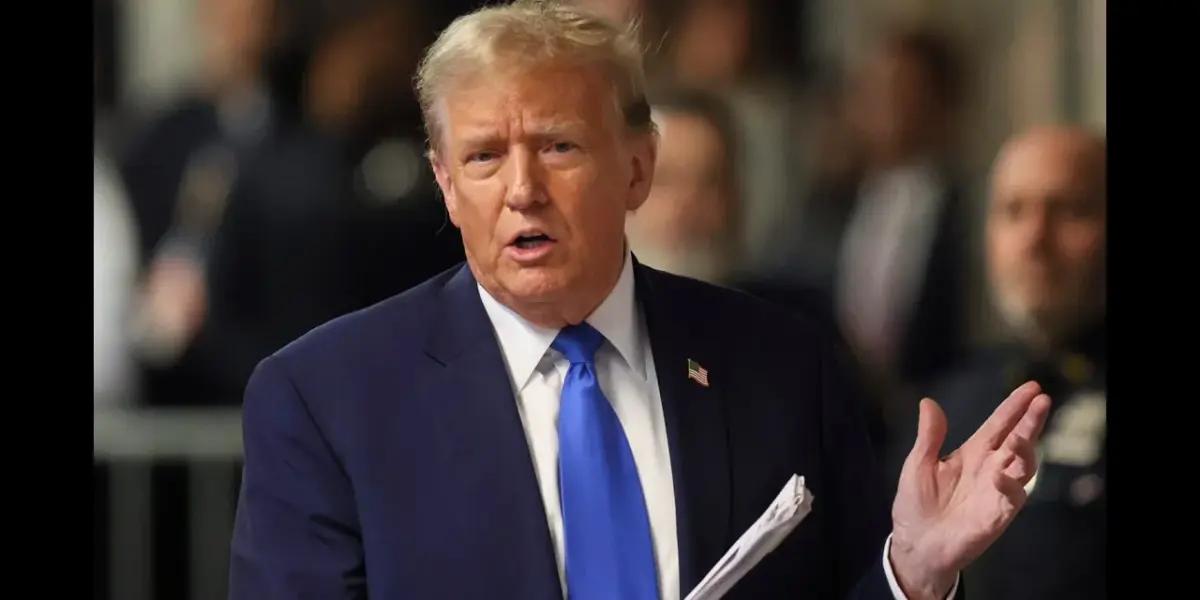
Judge Rules Trump Can Be Sued for Jan. 6 Conduct
A federal judge has cleared a path for Donald Trump to be sued for money damages over his actions leading up to the January 6th Capitol attack. This ruling by Judge Amit Ma in Washington D.C. Allows civil lawsuits brought by police officers and Democratic lawmakers to move forward.
The core issue was whether Trump’s actions on January 6th were official presidential acts, which could grant him immunity from civil lawsuits. Trump’s legal team argued he was protected by presidential immunity, similar to claims made in criminal cases. However, Judge Ma disagreed.
Trump’s Actions Deemed Not Official
In a detailed 79-page opinion, Judge Ma ruled that Donald Trump was not acting in his official presidential capacity when he gave a speech on January 6th. He described the speech as a “pre-insurrection pep rally” where Trump urged supporters to “fight like hell” and go to the Capitol to stop the certification of the election results.
The judge stated that these actions were not part of Trump’s official duties as president. Instead, they were the actions of a candidate trying to keep power after losing an election. Such actions, the ruling states, do not qualify for presidential immunity from lawsuits seeking damages.
First Amendment Does Not Apply to Trump’s Words
Judge Ma also addressed Trump’s use of words during the rally. He determined that the inflammatory language used by Trump did not receive protection under the First Amendment. This means the words themselves can be used as evidence in the civil case.
The ruling effectively gives a green light for the civil case to proceed toward a trial. While Trump’s lawyers will have an opportunity to appeal parts of the decision, the judge has made it clear that the case can move forward based on his findings.
No Substitution by the Department of Justice
Another key aspect of the ruling prevents the Department of Justice (DOJ) from stepping in to substitute itself as the defendant in Trump’s place. This is a tactic Trump has tried in other cases, which would likely lead to the dismissal of the lawsuit.
Judge Ma stated that the DOJ can only substitute itself if the actions in question were official presidential acts. Since he ruled they were not, Donald Trump will remain the defendant in these civil suits.
Potential for Significant Monetary Damages
If the jury finds Donald Trump liable for the damages caused on January 6th, the potential for monetary judgments could be very high. The lawsuits seek damages for the physical and emotional suffering experienced by police officers and members of Congress during the attack.
Many officers sustained severe injuries, and some have suffered long-term physical and psychological effects. Members of Congress were also under siege, experiencing intense fear and mental anguish. These are all factors that could lead to substantial money judgments against Trump.
Damages Not Comparable to E. Jean Carroll Case
The financial judgments awarded in the E. Jean Carroll defamation and sexual battery cases are not relevant to this lawsuit. Those cases involved different allegations and legal standards.
This civil case focuses on damages directly related to the events of January 6th. Experts suggest that if found liable, the monetary awards could be significant, with the “sky’s the limit” for jury awards.
Implications for Future Criminal Charges
While this ruling is for a civil case, it has potential implications for any future criminal charges related to January 6th. Judge Ma’s finding that Trump’s actions were not official presidential acts could inform how a judge would rule on presidential immunity in a criminal context.
This is particularly relevant to the federal charges Trump faced related to January 6th. Although that case was dismissed without prejudice after Trump was re-elected, a future Department of Justice could potentially re-indict him. Judge Ma’s reasoning may serve as persuasive authority for a judge presiding over such a revived criminal case.
Historical Context: Presidential Immunity
The concept of presidential immunity is complex. It generally shields presidents from lawsuits and criminal prosecution for actions taken while in office, especially those related to official duties. This is meant to allow presidents to make decisions without constant fear of legal challenges.
However, this immunity is not absolute. Courts have often distinguished between official acts and private conduct. Trump’s argument relied on the former, while the plaintiffs and now Judge Ma have focused on the latter, deeming his January 6th conduct as that of a private candidate rather than an official president.
Why This Matters
This ruling is significant because it holds a former president accountable in a civil court for actions that led to violence and disruption. It establishes that actions taken by a president to overturn an election, even if during their term, may not be protected by immunity if they are deemed private or political rather than official duties.
This decision could set a precedent for how future presidents are held responsible for their conduct. It suggests that the line between official presidential acts and personal political maneuvering is critical in determining immunity.
Future Outlook: A Long Road to Trial
While the runway is cleared for a trial, it is expected to take time. Appeals from Trump’s team are likely, potentially delaying proceedings for several months to up to a year. The actual trial will then involve jury selection and the presentation of evidence.
The outcome of this civil case could have far-reaching consequences, not just for Donald Trump but also for the understanding and application of presidential immunity in the United States. It highlights the ongoing legal battles surrounding the events of January 6th and the accountability of public officials.
The next step involves the appeals process, which could determine how quickly, or if, this case proceeds to a full trial.
Source: Judge clears path for Trump to be SUED (YouTube)

Related Articles
Crypto Scammer Sues Trump Admin After Being Scammed
Cryptobillionaire Justin Sun is suing the Trump administration, claiming extortion. However, the situation involves alleged scams on both sides. Sun, who invested millions in Trump's World Liberty Financial, claims the company froze his assets after he refused to invest more, costing him millions. This lawsuit highlights the complex and often shady dealings within the intersection of politics and cryptocurrency.
Trump Embarrasses Vance, Hegseth; Allies Question Loyalty
Senator JD Vance and Fox News host Pete Hegseth have recently been placed in challenging public situations, sparking questions about their loyalty to Donald Trump. Observers are analyzing whether these alliances are driven by deep conviction or calculated political strategy. The ongoing dynamic raises concerns about the potential impact on their individual political careers and the wider Republican party.

Carlson’s ‘Apology’ Exposes His True Political Game
Tucker Carlson's recent 'apology' for misleading people is seen by many not as a sign of genuine change, but as a strategic political move. Analysts suggest he's distancing himself from Donald Trump as Trump's popularity wanes, aiming to rebrand himself for future political ambitions.