US Stocks Hit Record Highs Amid Global Uncertainty
U.S. stock markets have surged to record highs, defying global tensions and economic uncertainties. Experts attribute this resilience to factors like U.S. energy independence, the rise of AI, and investor adaptation to political volatility. However, concerns about potential market overvaluation and geopolitical escalations persist.

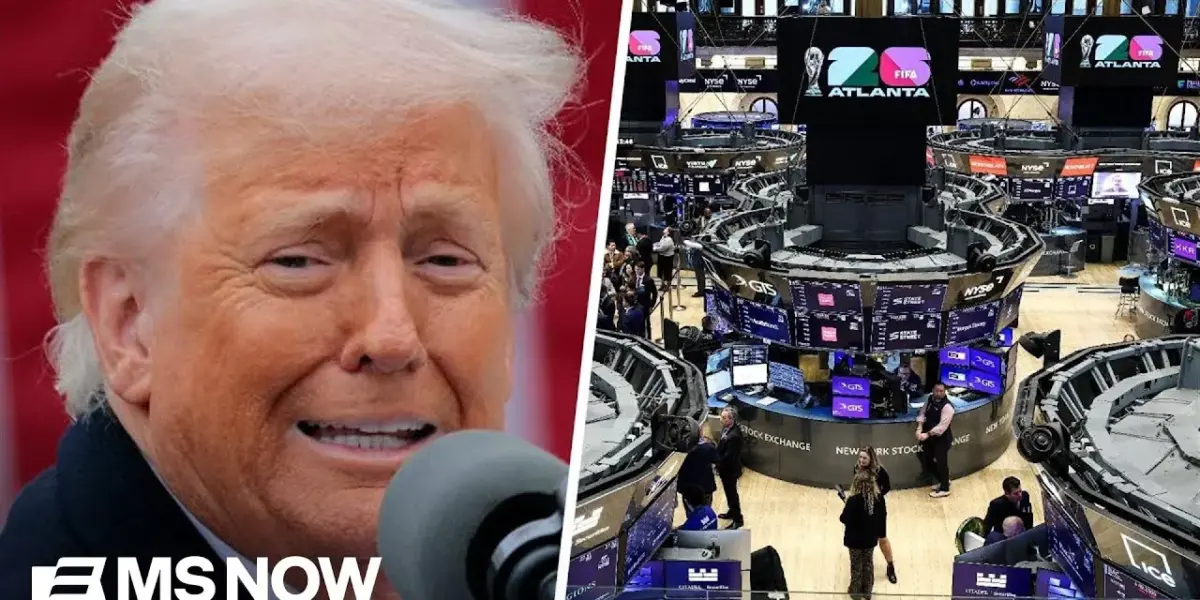
US Stock Market Reaches New Heights
Major U.S. stock market indices have climbed to unprecedented all-time highs, a move that has left many observers, including economists, puzzled. This surge comes despite significant global tensions and economic uncertainties, prompting questions about the underlying drivers of this market strength.
Economists Justin Wolfers and Betsy Stevenson of the University of Michigan offered insights into this complex situation. They noted that while geopolitical events often cause stock market dips, the current market behavior appears different. This suggests other factors are currently outweighing the impact of global conflicts on investor confidence.
Geopolitical Tensions vs. Market Performance
Historically, escalations in international conflicts have led to a decline in stock prices. However, recent events, including tensions in Iran, have not triggered the expected market downturn.
Wolfers explained that when the U.S. escalates military actions, stocks tend to fall. Conversely, de-escalation efforts are often met with a rise in market values.
The current situation, described as a “de-escalation dance,” seems to have contributed to market stability. Despite concerns over potential disruptions to oil supply routes and trade, the market has remained resilient. This resilience points to a decoupling of certain geopolitical events from their traditional market impacts.
Wolfers highlighted that the U.S. economy is largely energy independent. This self-sufficiency means that rising oil prices, while increasing costs for consumers, also benefit domestic oil companies. The profits generated by these companies can then contribute to overall market strength.
The Role of AI and Sector Performance
Beyond oil, the advancement and adoption of Artificial Intelligence (AI) are playing a significant role in strengthening specific market sectors. Industries like healthcare continue to perform well, contributing to the broader market’s upward trend. These sectors are showing strong growth, independent of the geopolitical climate.
Stevenson added that the stock market is inherently forward-looking, reflecting future earnings expectations. The market’s current performance is not necessarily a direct reaction to today’s events but rather a reflection of anticipated future economic growth, partly fueled by AI advancements. However, she also voiced concerns about potential market overvaluation.
Navigating Chaos and Investor Expectations
Stevenson pointed out that markets have learned to operate within a climate of perceived chaos, particularly concerning unpredictable political figures. Investors have become accustomed to volatility and have developed strategies to navigate it. This tolerance for chaos suggests that even erratic political behavior is now somewhat factored into market expectations.
“They have learned to navigate and live through chaos. The thing is, there’s now always chaos, so chaos isn’t a shock that’s going to be one day and then chaos will be gone tomorrow. They’re just living through a very chaotic time.”
The market’s expectation that leaders will de-escalate crises when they arise helps maintain stability. This creates a feedback loop where investors believe that severe downturns will be managed, preventing panic selling. This confidence, however, carries its own risks if the expected interventions do not materialize.
Potential Risks and Market Corrections
Despite the current highs, experts caution about potential market corrections. Stevenson identified a significant escalation in the conflict in Iran as a potential trigger for a market downturn. Such an event could cause investors to reassess risks and withdraw funds rapidly, leading to a sharp market decline.
The current confidence in a swift de-escalation might be misplaced. If leaders do not act to calm markets during a crisis, the consequences could be severe. This reliance on future intervention creates a fragile stability, vulnerable to unexpected events.
Economic Implications of Volatility
Wolfers shared a personal anecdote about the economic impact of aggressive political rhetoric. He described how threats of international conflict can cause significant economic anxiety, affecting investment decisions and business planning. The uncertainty surrounding such threats can deter companies from expanding and individuals from making major financial commitments.
The unpredictability of political actions can create a climate of fear that stifles economic activity. Businesses may delay investments, and consumers might cut back on spending, leading to a slowdown in economic growth. This psychological impact is a crucial, often overlooked, factor in market dynamics.
Looking Ahead
While the U.S. stock market has reached new highs, the underlying economic and geopolitical factors remain complex. Investors and economists will continue to monitor global events, technological advancements like AI, and political stability for signs of future market direction. The potential for a market correction, though not imminent, remains a key consideration for all market participants.
Source: U.S. stock market indices hit fresh all-time highs (YouTube)

Related Articles


Russia’s Duma Fears Revolution Amidst War Woes
Russian Duma deputies are reportedly growing fearful of revolution as the war in Ukraine intensifies and its consequences spill onto Russian soil. President Putin's rhetoric, contrasting with the reality of explosions and economic hardship, is fueling public anger and internal dissent.


Trump’s Iran Deal: A War Risk for Obama’s Outcome?
President Trump sought a tougher Iran deal than Obama's, but recent events suggest he may end up with a similar outcome. The breakdown in communication and Iran's perception of US aggression complicate negotiations.

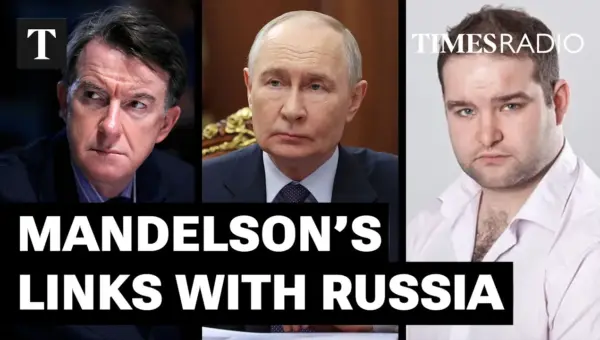
Mandelson’s Putin Lobbying Sparks Judgment Concerns
Lord Mandelson is facing scrutiny for lobbying Russian President Vladimir Putin in 2017 on behalf of a Russian company, AFK Sistema. While his actions were not illegal, critics question his judgment given Russia's adversarial stance towards the UK at the time. Mandelson received significant financial compensation for his role, adding another layer to the controversy.