Lithium-Ion Batteries Fuel EV Revolution, China Leads Charge
Lithium-ion batteries, first popularized by Sony camcorders, have fueled a global electric vehicle (EV) revolution. China leads this charge, making EVs cheaper and driving worldwide adoption. This shift creates significant opportunities and competitive pressures in the global market.

Lithium-Ion Batteries Power Global Tech Shift, Driving EV Affordability
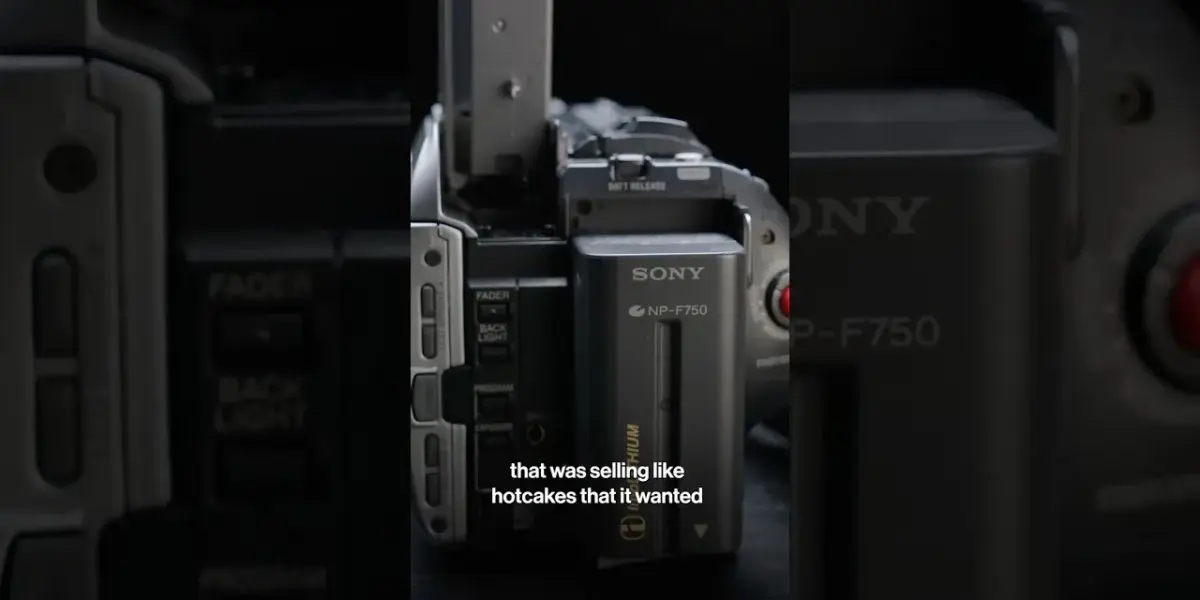
A small but powerful innovation, the lithium-ion battery, first introduced in Sony’s Handycam camcorders three decades ago, has quietly reshaped the consumer electronics landscape. This battery technology offered a lighter and more potent energy source, marking a significant leap forward from previous designs. Its success in portable electronics quickly made it a sought-after component, driving demand across a wide range of devices.
As production ramped up over the years, the cost of lithium-ion batteries steadily declined while their energy density, or how much power they could store, increased. This trend aligns with Wright’s Law, a principle stating that as the cumulative production of a product doubles, its cost falls by a predictable percentage. This continuous improvement in battery performance and affordability has been a key factor in the evolution of portable technology.
EVs Embrace Battery Power, China Dominates Production
Fast forward to the 2020s, and the advancements in battery technology have enabled another major transformation: the electric vehicle (EV) revolution. The improved power and reduced cost of lithium-ion batteries are now making EVs a more viable and attractive option for consumers worldwide. The focus has shifted from simply driving a car to understanding that the core of modern vehicles is increasingly the battery itself.
China is now the undisputed leader in battery manufacturing and electric vehicle production. The average price of EVs in China is now lower than comparable gasoline-powered cars, a significant factor driving widespread adoption. This success is underpinned by the fact that four of the world’s top five battery manufacturers are located in China.
BYD Challenges Tesla Amidst Global EV Competition
Chinese companies are not only leading in production but also in innovation and market share. BYD, a prominent Chinese battery and EV maker, has been in a close race with Tesla for years, vying for the title of the world’s largest electric vehicle manufacturer. This intense competition within China’s domestic market is a powerful engine for progress and efficiency.
The strong performance of Chinese EV companies has naturally led them to seek expansion into international markets. While major markets like the United States and the European Union have been cautious about accepting lower-priced Chinese EVs, many emerging economies have welcomed them. This global push is altering the established dynamics of the international automotive industry.
Global Efforts to Recharge Battery Innovation
China’s significant influence in the global lithium-ion battery market has prompted companies worldwide to re-evaluate and enhance their own battery technology development. This includes exploring new battery chemistries, improving manufacturing processes, and seeking ways to disrupt the current market structure. The race is on to secure a competitive edge in this rapidly growing sector.
The potential for profit in this burgeoning field is substantial. The ongoing advancements and the increasing demand for energy storage solutions suggest a future where batteries will continue to play an even more critical role. This dynamic environment is creating significant opportunities for innovation and investment.
Market Impact
The dominance of lithium-ion batteries, particularly with China at the forefront of production and cost reduction, has profound implications for the global automotive and technology sectors. The falling costs and increasing power of these batteries are directly enabling the mass adoption of electric vehicles, challenging the long-standing reign of internal combustion engines.
For investors, this shift presents opportunities in battery technology, EV manufacturing, and related supply chains. However, it also highlights the geopolitical and economic influence of countries that control key aspects of battery production. The competition spurred by Chinese manufacturers is forcing established players to accelerate their own research and development, potentially leading to further breakthroughs.
What Investors Should Know
Understanding the economics of battery production, as described by Wright’s Law, is crucial for grasping the long-term cost trends. As more batteries are produced, they become cheaper, making EVs more affordable and accessible. This virtuous cycle is a key driver of the EV market’s growth.
The concentration of battery manufacturing in China creates both opportunities and risks. While it drives down costs globally, it also raises questions about supply chain security and international trade dynamics. Companies looking to invest in the EV space should consider the geographical distribution of battery production and the competitive landscape, which includes both established players and rapidly growing Chinese firms like BYD.
The ongoing innovation in battery chemistry and manufacturing suggests that the technology will continue to evolve. Investors should monitor developments in solid-state batteries, alternative battery chemistries, and improvements in recycling processes, as these could shape the future of energy storage and transportation.
The global push for electrification is accelerating, and battery technology is at its heart. The next few years will likely see continued intense competition, further cost reductions, and potentially new technological frontiers being reached in the battery sector.
Source: How a Camcorder Battery Changed the World (YouTube)

Related Articles

BMW Bets Big on Luxury Sedans Amid SUV Craze
BMW is doubling down on its flagship 7 Series sedan, investing heavily in updates and technology despite the booming popularity of SUVs. The company sees the sedan as crucial for brand image and catering to a loyal customer base, even as competitors shift focus. This strategy aims to maintain BMW's leading position in the U.S. luxury market.


Trump’s Early Morning Tweets Spark Global Concern, Mockery
Donald Trump's early morning social media posts, filled with erratic commentary and insults, have drawn widespread criticism and international mockery. While claiming progress on Iran talks, Iran itself reported capturing vessels and highlighted its ability to disrupt global internet cables. This behavior, coupled with historically low approval ratings, has led to China viewing itself as a major beneficiary of U.S. diplomatic missteps.


EV Dream Falters: Billions at Risk, Factories Canceled
Over $200 billion invested in US EV factories faces jeopardy as demand falters and automakers cancel plans. Significant financial losses are now projected, marking a major shift in the auto industry's electric future.