Iran’s Viral Takedown: How Memes Undermine Trump’s Image
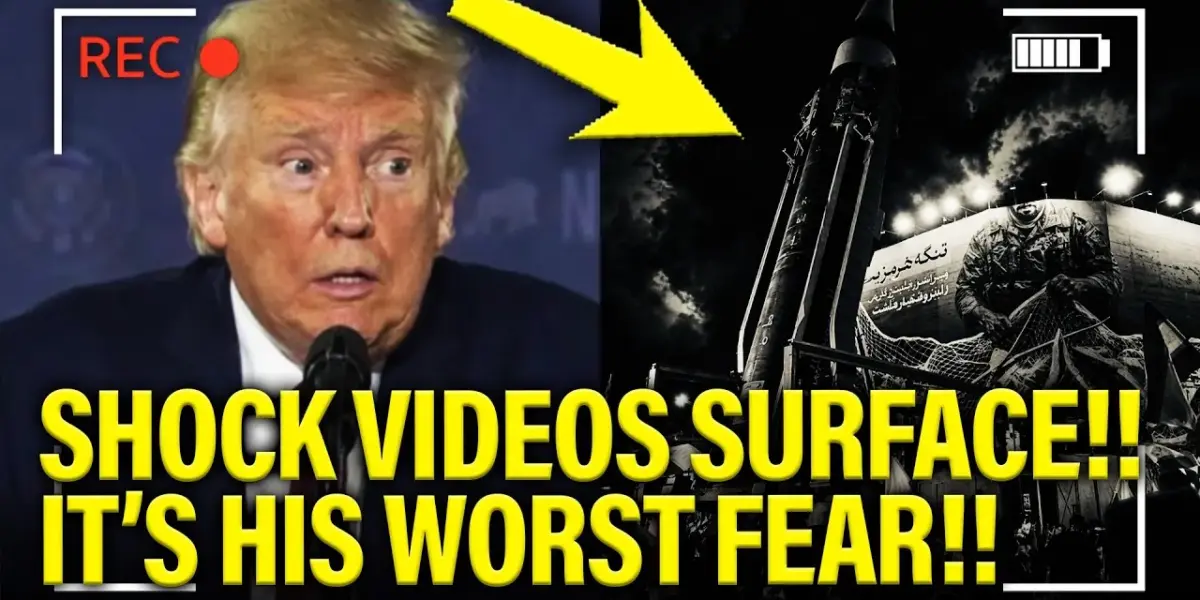
Iran is employing a sophisticated digital strategy, using viral Lego videos and memes to mock Donald Trump. These animations criticize his policies, character, and foreign relations, aiming to undermine his public image globally. The campaign highlights the growing importance of information warfare in international relations.

Iran’s Viral Takedown: How Memes Undermine Trump’s Image
In a surprising turn of events, Iran has launched a creative and aggressive digital campaign to mock and undermine Donald Trump. This strategy uses viral videos, particularly those made with Lego animations, to criticize his policies, decisions, and public image. These videos are not just simple jokes; they are sophisticated pieces of propaganda designed to resonate with a global audience and damage Trump’s standing.
The campaign targets various aspects of Trump’s presidency and post-presidency. One prominent theme involves mocking his foreign policy decisions and perceived weaknesses.
Videos depict him as indecisive or cowardly, particularly in relation to international conflicts and negotiations. This is often framed as him ‘chickening out’ or being outmaneuvered by Iran.
The ‘Baghdad Barbie’ Takedown
A notable example is the video targeting Caroline Levitt, a former Trump spokesperson, dubbed ‘Baghdad Barbie’. This animated Lego video uses sharp lyrics and imagery to accuse her of lying and covering up for what the video terms a ‘pedo king’ and a ‘pedo pipeline’. It criticizes her defense of Trump and links her to controversial figures and events, aiming to discredit the entire ‘Trump regime’ through association.
The lyrics are direct and accusatory, calling her the ‘youngest press secretary, biggest liar alive’. The video claims she spins for Trump while ‘the empire dies’ and defends ‘Epstein files’ with a ‘plastic smile’. This specific attack highlights a strategy of personalizing criticism and using provocative language to create memorable, shareable content.
‘Taco Tuesday’ and the Cowardly Leader
Another series of videos, some even titled ‘Taco Tuesday’, portrays Trump as fearful and unwilling to take decisive action. These animations suggest he extends ceasefires unilaterally and avoids confrontation. The narrative paints him as someone whose courage is questioned, contrasting bold public statements with perceived inaction.
The lyrics in these videos question his bravery, stating, ‘You ain’t a vest now, baby. You scared?’.
They suggest his heart is ‘getting old’ and he is ‘running from the east, now he’s hiding in the west’. This aims to strip away the image of strength he cultivates, showing him as a ‘coward’ who cannot find rest.
Mocking Approval Ratings and ‘Chaos’
Iran’s campaign also focuses on Trump’s declining public approval. Videos highlight falling approval ratings, with one animation showing them at 35%, close to actual poll numbers. This visual representation aims to show that his support is eroding and his vision for America is failing.
The accompanying lyrics describe a ‘second term of chaos’ and a ‘world in flames’, suggesting Trump’s leadership leads to destruction. They claim Gen Z is turning away, and that he has ‘lost the rhythm’ and ‘lost the flow’. The message is clear: Trump’s influence is waning, and his policies are harmful.
‘United States of Israel’ and Accusations
A particularly sharp attack comes in the form of a video titled ‘United States of Israel’. This animation directly links Trump and his administration to Israeli Prime Minister Netanyahu, making strong accusations. It claims the US under Trump is ‘killing children every day’ and calls Trump ‘Netanyahu’s pet’ and a ‘pedophile’.
These videos go further, criticizing his focus on Twitter, his family’s government jobs, and his handling of classified documents at Mar-a-Lago. They paint him as a ‘grifter’ and a ‘con man’ who runs a ‘brand’ rather than a country, selling Bibles and sneakers while the republic falls.
Negotiations and ‘Ghosting’ Tactics
The Iranian campaign also mocks Trump’s negotiation tactics, particularly concerning the Strait of Hormuz. Videos portray him as making unrealistic demands, like giving up enriched uranium, while Iran maintains control. They suggest he is negotiating with himself, unable to secure favorable terms.
Iran uses the tactic of ‘ghosting’ to show disrespect and assert dominance. Videos depict Trump waiting in Pakistan while Iran refuses to show up, ignoring his calls for talks. This is framed as a sign of his declining influence and Iran’s strategic advantage.
Insider Trading Allegations
The most serious accusation comes in videos alleging insider trading. These animations suggest that significant financial bets, like massive oil shorts, were placed shortly before Trump made public statements or tweets. The implication is that Trump or his allies had foreknowledge of market-moving events, profiting from them.
The videos point to a pattern, citing multiple instances of large shorts occurring minutes before Trump’s tweets. They question who is making these calls and suggest a connection between Trump’s announcements and these financial maneuvers. This tactic aims to portray him as corrupt and self-serving.
Why This Matters
This campaign demonstrates a significant evolution in modern geopolitical conflict. Iran is not just using traditional diplomatic or military pressure; it is actively engaging in the information war, using cultural tools like memes and viral videos. This approach bypasses traditional media gatekeepers and speaks directly to a younger, digitally-native audience.
The effectiveness of these videos lies in their ability to distill complex political messages into easily digestible and shareable formats. They tap into existing sentiments of distrust and criticism towards Trump, amplifying them through humor and satire. This can significantly impact public perception and undermine a political figure’s image on a global scale.
Implications and Future Outlook
The success of Iran’s digital strategy suggests that information warfare is becoming increasingly important. Nations and political actors may increasingly rely on viral content, memes, and social media campaigns to influence public opinion and destabilize opponents.
This trend raises concerns about the spread of misinformation and the difficulty in countering sophisticated propaganda. As these tactics become more common, there will be a growing need for media literacy and critical thinking skills to discern truth from fiction online.
The use of animation, particularly Lego videos, shows a creative adaptation to modern communication. It allows for the depiction of sensitive or controversial topics in a way that is engaging yet less overtly aggressive than traditional propaganda, making it more likely to be shared.
Iran’s ongoing digital campaign against Donald Trump highlights a new frontier in political influence. The effectiveness of these viral videos in shaping narratives and undermining opponents suggests this will be a key battleground in future geopolitical contests.
The next phase of this digital conflict may involve even more sophisticated content creation and distribution methods. As technology advances, so too will the tools used to wage information wars, making it crucial for observers to stay vigilant.
Source: Trump LOSES IT as SHOCK Videos RUIN HIS TERM!!!! (YouTube)

Related Articles
Iran Ceasefire Extended: US Tightens Economic Grip
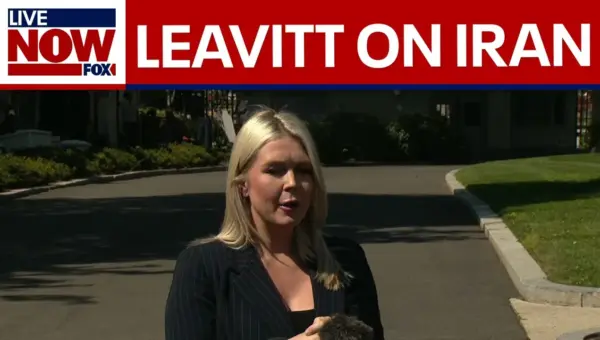
The White House announced an extension of the ceasefire with Iran, but emphasized that economic pressure through a naval blockade continues. Press Secretary Leavitt stated the U.S. is 'strangling their economy' and awaits a unified response from Tehran amidst internal divisions. No firm deadline has been set for Iran's proposal.

Trump’s Iran Deal: A War Risk for Obama’s Outcome?
President Trump sought a tougher Iran deal than Obama's, but recent events suggest he may end up with a similar outcome. The breakdown in communication and Iran's perception of US aggression complicate negotiations.
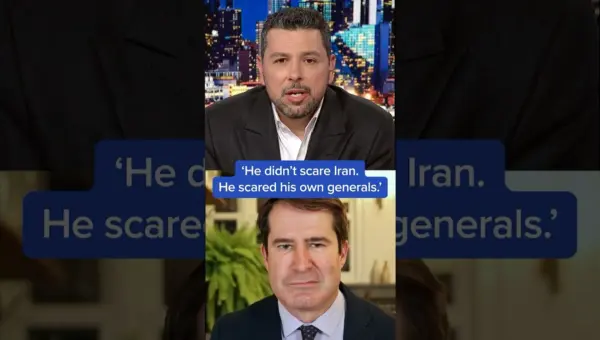
Generals Feared President’s Decisions, Not Iran, Says Ex-Lawmaker
Former Congressman Seth Moulton stated that President Trump's generals were more concerned about the president's reactions than Iran. He described them as trying to "hide the remote" and "clear the room." This suggests military leaders felt they needed to manage the president's decisions.