Iran’s Economy Crumbles Under US Blockade, Trump Extends Ceasefire
The US has extended a ceasefire offer to Iran while maintaining a strict naval blockade, dubbed 'Operation Economic Fury.' This blockade is reportedly costing Iran $500 million daily, crippling its economy and making it difficult to pay citizens. The administration is waiting for Iran's unified response amidst internal political divisions.

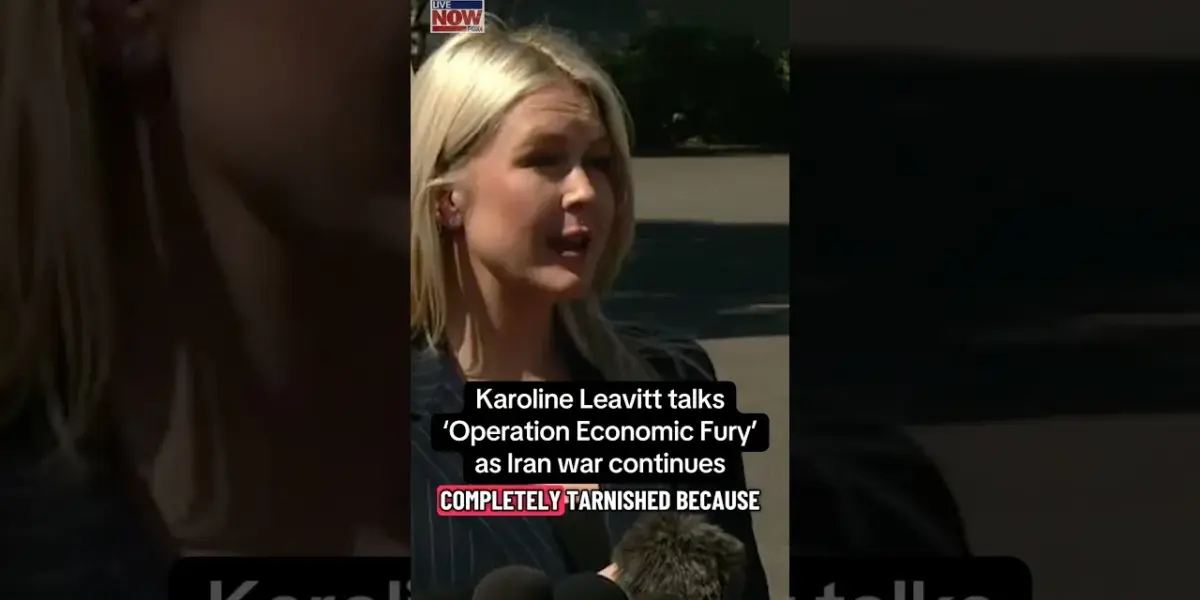
US Tightens Economic Grip on Iran Amidst Ongoing Conflict
President Trump has extended a ceasefire offer to Iran, but maintains a strict economic blockade aimed at crippling the nation’s finances. This move comes as Iran faces significant internal divisions between pragmatists and hardliners. The United States is waiting for a unified response from the Iranian regime, which has been severely impacted by what the administration calls “Operation Economic Fury.” This operation includes a successful naval blockade of ships and vessels traveling to and from Iranian ports.
Economic Warfare Strangles Iranian Economy
The naval blockade is effectively strangling Iran’s economy, with reports indicating losses of $500 million per day. The situation is so severe that oil storage facilities, like the Car Island, are reportedly full, preventing the movement of oil in and out of the country.
This economic pressure is so intense that Iran is struggling to even pay its own citizens. This economic leverage is a key strategy employed by President Trump.
Internal Divisions Plague Iranian Leadership
The administration believes there is significant internal division within Iran. This is described as a battle between pragmatists, who may favor de-escalation, and hardliners, who are resistant to external pressure.
President Trump appears to be seeking a unified response from Iran, suggesting that any engagement would be more effective if Iran presented a cohesive front. The extension of the ceasefire offers a window for this internal debate to play out.
Operation Economic Fury Continues
While a military ceasefire is in place, “Operation Economic Fury” continues unabated. The naval blockade is a critical component of this strategy.
It targets all ships and vessels moving to and from Iranian ports, aiming to cut off vital trade and revenue streams. This sustained economic pressure is designed to force concessions from the Iranian government.
Impact on Daily Life in Iran
The consequences of the economic blockade are being felt by ordinary Iranians. The inability of the government to pay its own people highlights the severity of the financial strain.
This widespread economic hardship could potentially fuel further internal dissent or pressure the leadership to reconsider its international policies. The administration views this as a direct result of the economic policies enacted.
US Awaits Response, Maintains Pressure
The United States is currently awaiting Iran’s response to the extended ceasefire offer. However, the ongoing economic blockade demonstrates that the pressure will not be lifted until a satisfactory resolution is reached.
The administration’s strategy appears to be one of maintaining maximum economic pressure while offering a diplomatic off-ramp. The effectiveness of this dual approach remains to be seen as Iran navigates its internal challenges and external pressures.
Looking Ahead: Iran’s Next Move
The coming days will be critical in observing Iran’s response to the extended ceasefire and the continued economic blockade. The internal dynamics between pragmatists and hardliners will likely shape the government’s decision-making process.
Any move by Iran will be closely watched by the international community, particularly given the high stakes involved in the ongoing geopolitical tensions. The administration has made its position clear, and now the ball is in Iran’s court.
Source: Leavitt talks Iran economy as war continues (YouTube)

Related Articles


Trump’s Cabinet Faces Mass Exodus Amid Scandal and Resignations
Several high-ranking officials have departed the Trump administration amidst a flurry of scandals and allegations. Homeland Security Secretary Kirstjen Nielsen, Attorney General Pam Bondi, and Labor Secretary Alex Acosta are among those who have recently left their posts under controversial circumstances, raising questions about accountability and the use of taxpayer funds. The ongoing departures highlight instability within key government departments.
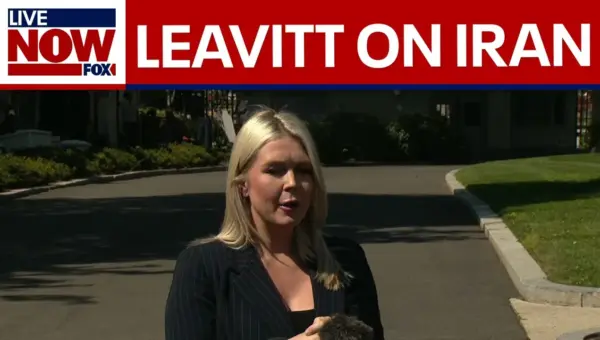
Iran Ceasefire Extended: US Tightens Economic Grip
The White House announced an extension of the ceasefire with Iran, but emphasized that economic pressure through a naval blockade continues. Press Secretary Leavitt stated the U.S. is 'strangling their economy' and awaits a unified response from Tehran amidst internal divisions. No firm deadline has been set for Iran's proposal.
Health Secretary’s Bizarre Testimony Exposes Administration Woes
Health Secretary Robert F. Kennedy Jr.'s recent Senate testimony revealed unusual personal health philosophies and communication challenges, including labored breathing and a defense of Trump's questionable cost-saving claims. His struggles with explaining drug price discrepancies and allegations of self-promotion using government resources have raised significant concerns about leadership and accountability within the administration.