Trump Holds Key to Iran Timeline, White House Aide States
A White House aide has refuted reports of a specific deadline for actions against Iran, emphasizing that President Trump alone will set the timetable. The administration views the current naval blockade as effective and believes Iran is in a weakened position. Decisions will be made based on what best serves U.S. interests.

White House Aide Denies Iran Deadline Reports
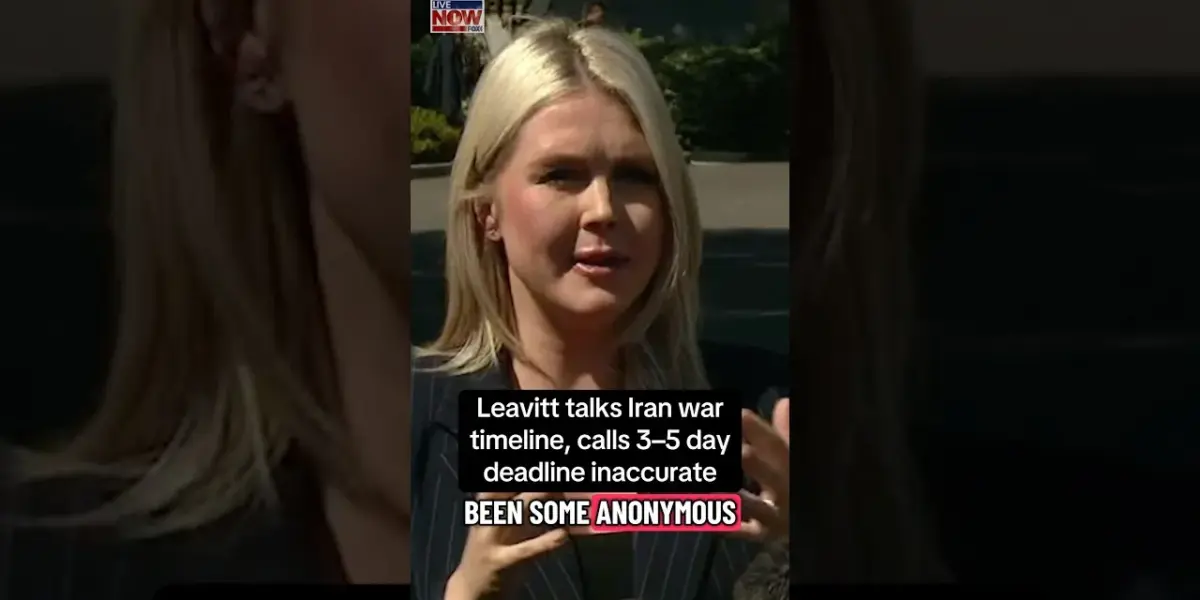
A top White House aide has pushed back against reports suggesting a specific deadline for actions related to Iran. Karoline Leavitt, speaking on behalf of the administration, stated that President Trump has not set a timetable for any military or diplomatic actions. This comes amid speculation fueled by anonymous sources in recent reporting.
Leavitt clarified that any claims of a three to five-day deadline are inaccurate. The President alone will determine the pace and nature of any future decisions regarding Iran. His approach is driven by what he believes serves the best interests of the United States and its citizens.
Naval Blockade Deemed Effective
The current naval blockade is seen as a successful strategy by the administration. Leavitt indicated that President Trump is satisfied with the ongoing blockade. This suggests a belief within the White House that this measure is effectively pressuring Iran.
The administration views Iran as being in a significantly weakened position. This assessment suggests that the current U.S. strategy is proving effective. The power to dictate the timeline and terms of any resolution rests firmly with President Trump.
Strategic Approach Emphasizes American Interests
President Trump’s decision-making process regarding Iran is guided by a singular focus. He will determine the timeline for any actions when he believes it is most beneficial for the United States. This approach highlights a commitment to prioritizing national interests above all else.
The administration’s stance indicates a deliberate and controlled strategy. There is no rush to escalate or de-escalate, but rather a patient approach based on strategic advantage. The President’s ultimate authority means that any shifts in policy will be carefully considered and timed.
Broader Context: U.S.-Iran Relations
The current tensions between the United States and Iran have been building for some time. Following the U.S. withdrawal from the Joint Comprehensive Plan of Action (JCPOA) in 2018, sanctions were reimposed on Iran. This move aimed to curb Iran’s nuclear program and its regional influence.
Iran has consistently denied pursuing nuclear weapons and has criticized the sanctions as economic warfare. The situation has been further complicated by regional conflicts and proxy engagements involving Iran and its allies. U.S. policy has aimed to counter Iran’s ballistic missile program and its support for militant groups in the Middle East.
The Role of Diplomacy and Military Posturing
While the White House has denied setting a deadline, the mention of a naval blockade points to ongoing military posturing. Such blockades are significant actions that can have severe economic consequences for the targeted nation. They are often used as a tool of coercive diplomacy, intended to bring a country to the negotiating table or force a change in its behavior.
However, military actions and blockades also carry substantial risks. They can lead to unintended escalation, impact global trade, and affect civilian populations. The administration’s careful approach, as described by Leavitt, suggests an awareness of these risks and a desire to maintain control over the situation.
Expert Analysis and Future Outlook
International relations experts have noted that statements from White House officials are crucial in shaping perceptions of U.S. foreign policy. Denying specific deadlines can be a strategic move to keep adversaries guessing and maintain flexibility. It can also be an attempt to manage domestic and international expectations.
The emphasis on President Trump dictating the timeline suggests a personal and direct involvement in foreign policy decisions. This level of presidential control is not uncommon, but it means that shifts in U.S. policy towards Iran will likely be closely tied to the President’s personal assessments and political calculations.
What to Watch Next
Moving forward, observers will be closely monitoring any further statements from the White House regarding Iran policy. The effectiveness of the current naval blockade and any potential shifts in diplomatic or military strategy will be key indicators. The administration’s continued assertion of President Trump’s sole authority over the timeline suggests that any significant developments will be on his terms and timing.
The coming weeks and months will likely reveal more about the administration’s long-term strategy. Whether this patient approach yields the desired results or leads to new challenges remains to be seen. The focus will be on actions, not just words, as the situation evolves.
Source: Karoline Leavitt on Iran war timeline (YouTube)

Related Articles

Iran’s Economy Crumbles Under US Blockade, Trump Extends Ceasefire
The US has extended a ceasefire offer to Iran while maintaining a strict naval blockade, dubbed 'Operation Economic Fury.' This blockade is reportedly costing Iran $500 million daily, crippling its economy and making it difficult to pay citizens. The administration is waiting for Iran's unified response amidst internal political divisions.

Karoline Levit Dodges Reality on Iran and Election Woes
Karoline Levit's public statements on Iran's actions and election outcomes appear to diverge from factual reporting, creating confusion. The analysis explores how these narratives clash with reality and the implications for public trust and democratic discourse.
Iran and US in Standoff: No Talks Seen, Escalation Possible
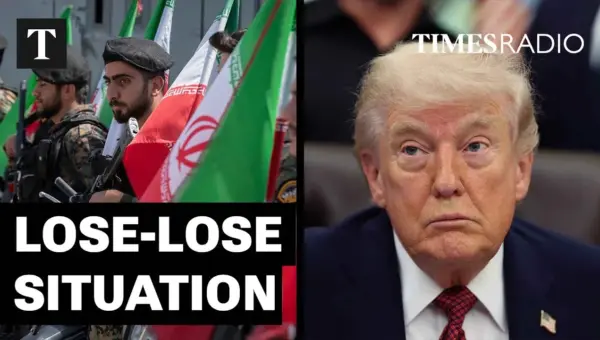
Neither Iran nor the United States is currently ready for serious negotiations, according to diplomatic and political experts. Both nations are focused on gaining leverage, creating a lose-lose situation. While one side believes the US is winning through economic pressure and military strategy, the other views it as a series of losses for both parties, with the urgent need to reopen the Strait of Hormuz.