U.S.-Iran Talks Hinge on Verification, Not Trust, Expert Says
Negotiations between the U.S. and Iran are complicated by a significant trust deficit, with experts emphasizing the importance of verification over mutual trust. Both nations are reportedly seeking an exit from current tensions, but differing timelines and internal divisions, particularly within Iran, complicate potential agreements. The focus appears to have shifted from initial U.S. goals to practical issues like opening trade routes, while the fate of American hostages remains a concern.

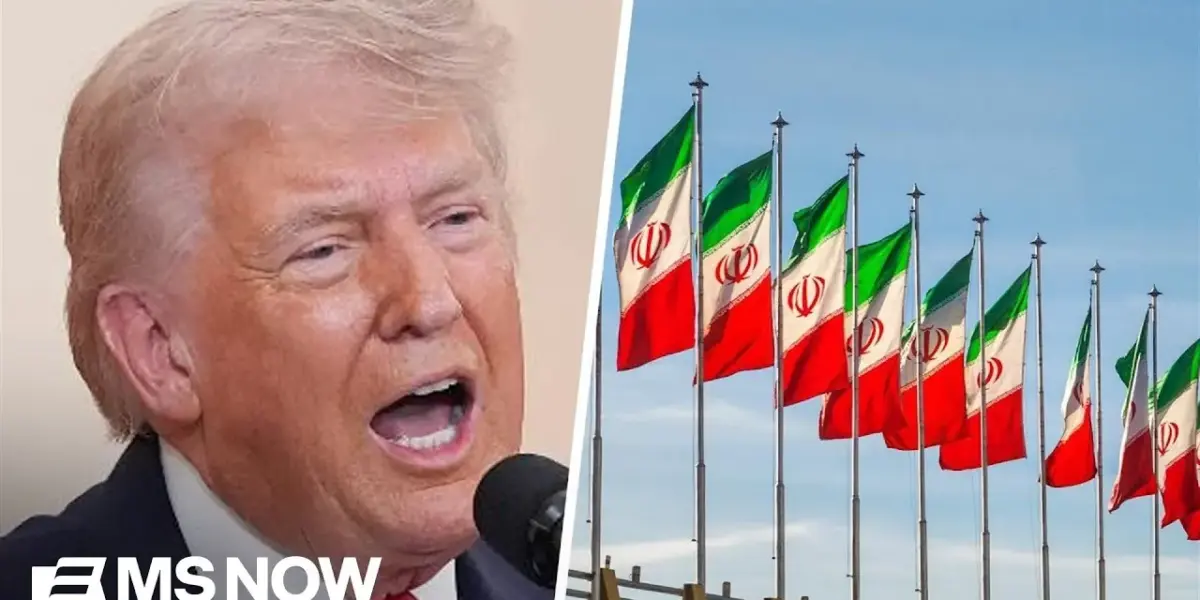
Negotiating with Adversaries: The Trust Deficit
Diplomatic talks between nations often involve parties with existing disagreements. This naturally leads to a lack of trust, a challenge acknowledged by former Pentagon spokesman Rear Admiral John Kirby.
He explained that during negotiations, the goal is to find common ground and small agreements that can prove sincerity from both sides. These are known as confidence-building measures, small compromises aimed at showing a willingness to negotiate in good faith.
However, current preconditions from both the U.S. and Iran appear far apart. The U.S. has stated that sanctions will remain until Iran opens up.
Iran, in turn, says it will not open up or negotiate unless the sanctions are ended. This creates a significant gap, making the search for common ground even more critical.
Verification: The Key to Agreements
Kirby emphasized that successful negotiations, especially when trust is low, rely on verification rather than trust itself. He pointed to the Iran deal negotiated during the Obama administration.
While trust was limited between the U.S. and Iran, a system of verification, examination, testing, and inspection was put in place. This system ensured that both sides were meeting their commitments under the agreement.
For any negotiation to succeed, both parties must want and need something, creating a sense of urgency. It’s believed that former President Trump wants to end the current situation. Similarly, Iran likely wishes to avoid continued military actions against them.
Differing Timelines and Internal Divisions
Both the U.S. and Iran appear to be seeking an exit from the current conflict. However, experts suggest Iran may play for time, understanding that the timeline is more critical for the U.S. Iran’s governing structure is not unified, with the Islamic Revolutionary Guard Corps (IRGC) holding significant power and interests. This internal division makes it difficult to know who has the authority to make final decisions.
The IRGC reportedly has no desire to end the conflict soon, as they believe the ongoing situation harms the Trump administration. They are expected to try and prolong the negotiations. This is a view shared by other experts, who note Iran’s historical willingness to endure hardship over extended periods, citing the eight-year Iran-Iraq war.
Economic Strain and Shifting Goals
The Iranian economy is reportedly in a dire state, and experts believe it will not recover quickly. This economic pressure is seen as a significant factor. While the initial stated goal of the U.S. involvement was regime change and support for the Iranian people, the focus appears to have shifted.
The primary negotiating point now seems to be the opening of the Strait of Hormuz, which was open before the conflict began. This shift suggests a change in priorities, possibly driven by internal U.S. political pressures. Polling for the current administration is reportedly at new lows, with concerns about inflation and foreign conflicts cited as reasons.
The Nuclear Question and Past Agreements
The discussion also touched on the idea of a disarmed or non-nuclear Iran. Experts differentiate between a heavily armed Iran and a nuclear-armed Iran. Iran is already well-armed, though its equipment is considered outdated compared to potential adversaries.
Regarding nuclear capabilities, intelligence from the U.S., Israel, and other international bodies suggested the Joint Comprehensive Plan of Action (JCPOA), or the 2016 nuclear deal, was working. The U.S. withdrawal from that deal has removed previous safeguards, and re-establishing them would likely come at a higher cost.
American Hostages and Dual Nationals
The issue of American hostages held in Iran was also raised. Experts stated that at least six Americans are currently detained. The practice of taking foreign nationals hostage has been a long-standing issue with Iran since 1979, complicating U.S. policy for decades.
Releasing these hostages could be considered a confidence-building measure. The Trump administration has shown a commitment to bringing Americans home, but a point of concern was raised regarding dual-national Iranian-Americans. Unlike previous administrations, the Trump administration has not been noted for bringing Iranian-American dual nationals home, a situation some hope will change.
Source: It's not about trust but about 'verification': John Kirby on potential U.S.-Iran talks (YouTube)

Related Articles

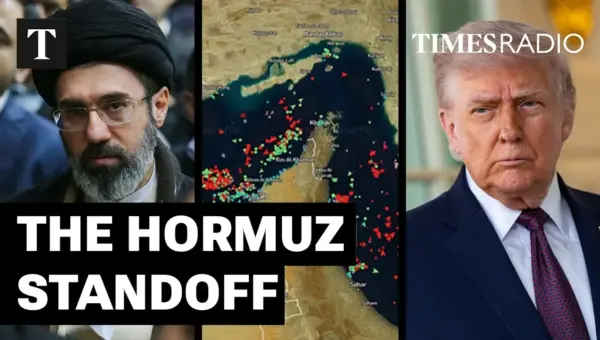
Strait of Hormuz: US and Iran Both Hold Key to Open Waters
The Strait of Hormuz, a vital global oil route, is effectively controlled by both the U.S. and Iran, requiring mutual agreement for open passage. Diplomatic efforts are stalled amidst escalating tensions, with both nations asserting control through actions like blockades and vessel seizures. Experts predict a negotiated resolution within weeks, though ensuring safe passage will remain a challenge.

Ukraine Eyes ‘Donnyland’ Rename to Win Trump’s Support
Some Ukrainian officials are reportedly considering renaming a portion of the Donbas region 'Donnyland' in an effort to win favor and aid from former U.S. President Donald Trump. This unconventional strategy is inspired by past instances where naming conventions or gifts appeared to influence Trump's decisions. The move highlights Ukraine's urgent need for support in its ongoing conflict with Russia.

Trump’s Iran Stance: Bold Strategy or Tactical Retreat?
The debate over Donald Trump's handling of Iran centers on whether his extension of a ceasefire was a strategic masterstroke or a sign of weakness. Supporters argue he's playing a long game, leveraging Iran's economic woes for a better deal. Critics contend this approach forfeits crucial leverage, allowing Iran to delay indefinitely.