Banks Delay Crypto Clarity, Bitcoin Eyes $79K
Banks have successfully delayed the Clarity Act, sparking concerns about regulatory uncertainty in the crypto market. Meanwhile, Bitcoin surged past $79,000, driven by a mix of geopolitical de-escalation and shifting consumer sentiment. Analysts remain divided on future price predictions, emphasizing the importance of Fed policy and market psychology.

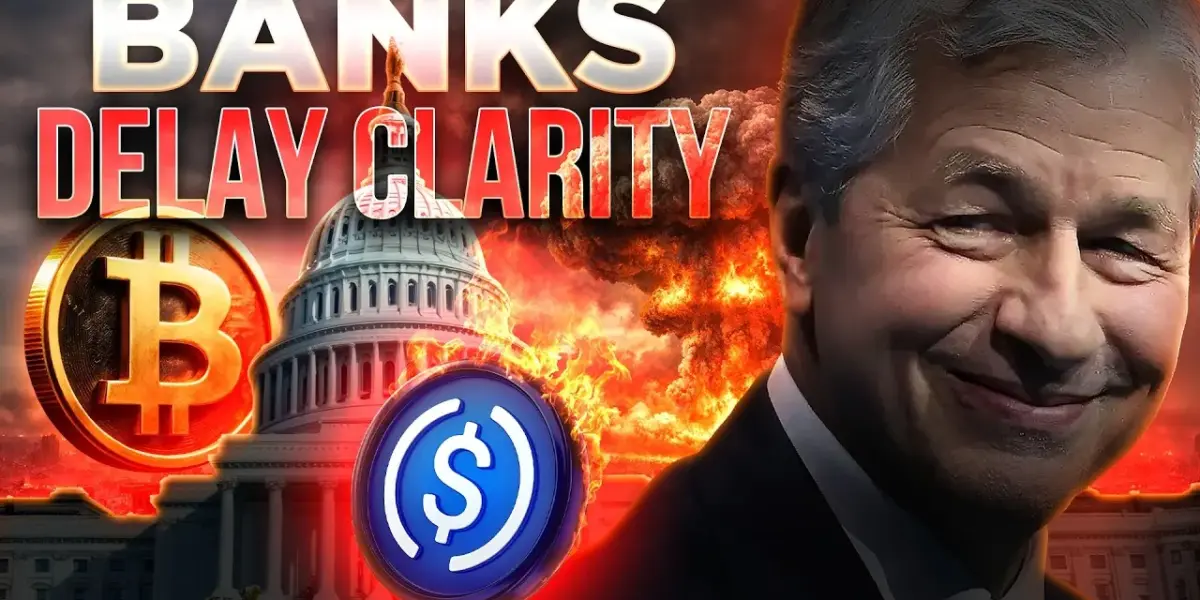
Banks Stall Crypto Clarity Act, Bitcoin Surges
The push for clearer regulations in the cryptocurrency market has hit a roadblock as banks successfully lobbied for a delay in the Clarity Act. This development has left many in the crypto community seeking accountability, especially as the May 11th deadline looms, offering the first potential window for the act to become law.
The Senate Banking Committee is now focusing on the Clarity Act, but it appears unlikely they will meet their original timeline. Senator Tim Scott has requested more time to discuss the act with bankers, a move criticized by some as unnecessary lobbying for a common-sense regulation.
The May 11th date is critical, as any further delays could push the timeline into June and then July, potentially clashing with summer breaks and mid-term elections. This delay suggests that some banks may not have wanted the act to pass quickly, leading to frustration among proponents of crypto regulation. Key figures like Senators Lummis and Scott, as well as Representatives McHenry and Warren, who have championed crypto clarity, may face embarrassment if the act fails to pass.
Banks Push Policy Changes to Limit Crypto Yields
Adding to the regulatory uncertainty, banks have also submitted requests to the Office of the Comptroller of the Currency (OCC). They are pushing for policy changes to ban yields on certain crypto assets under the “Jenna’s Act.” This strategy could allow banks to implement restrictions without needing a full vote on the Clarity Act itself. This move raises questions about whether this has been the banking industry’s plan all along to control the crypto space through regulatory policy rather than direct legislation.
Geopolitical Tensions and Market Impact
Beyond domestic regulations, international events are also influencing the market. The US has extended a ceasefire with Iran, a move seen by some as an attempt to de-escalate tensions. While the ceasefire is extended indefinitely, the Strait of Hormuz, a vital shipping lane for oil and gas, remains closed.
This situation had traders anticipating potential oil price surges, possibly above $120 per barrel, if conflict had escalated. However, the extended ceasefire has helped stabilize prices, keeping them near $100 per barrel.
In this complex environment, Bitcoin has seen a significant price increase, reaching $79,000 at the time of reporting. Projections for Bitcoin’s year-end price vary widely, with some analysts like Tom Lee predicting around $100,000 and Cathie Wood suggesting as high as $275,000 by 2026. However, the speaker expresses skepticism about these lofty predictions, suggesting that regulatory clarity may not be the primary driver for Bitcoin’s long-term growth.
Consumer Sentiment and Fed Policy Key Drivers
Instead, the speaker believes that the resolution of the Iran situation and consumer sentiment will be more significant factors. Consumer sentiment is closely tied to inflation and the Federal Reserve’s response.
If the Fed were to cut interest rates, it could positively impact crypto markets. However, the speaker doubts that Bitcoin will reach $275,000, viewing such forecasts as potentially overhyped by industry insiders who may be promoting their own interests, much like Peter Schiff does for gold.
The market’s current sentiment is reflected in the Fear & Greed Index, which is hovering in the “greed” zone at 62. This level was last seen in October 2025, a period when Bitcoin also traded significantly higher, around $118,000.
Bitcoin has already shown strong performance, rising approximately 10% in the last 30 days. This suggests that market psychology and cultural shifts in the US may play a larger role in driving asset prices than previously thought.
Federal Reserve’s Future Policy Under Scrutiny
The Federal Reserve’s future actions are also a major point of discussion. With Kevin Warsh set to take a key role, the cost of living is a top issue influencing sentiment.
Some believe the Fed has made policy errors, and its future adjustments could impact market mood. Warsh has stated his independence from political influence, though his stance on certain issues, like tariffs and the impact of the Strait of Hormuz blockade on prices, aligns with the Trump administration.
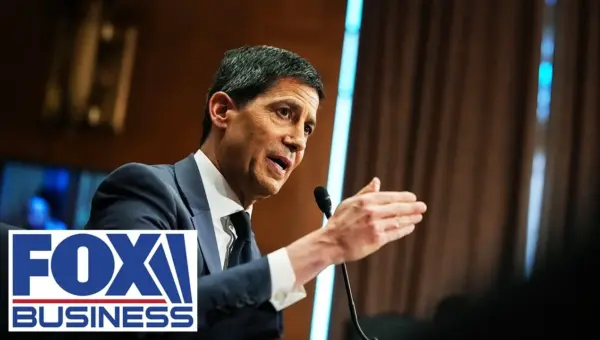
Warsh has also expressed skepticism about the reliability of inflation data and forward guidance. While he hasn’t committed to a rate cut, a small reduction could significantly boost positive sentiment. His confirmation process involved intense questioning from Senator Elizabeth Warren, who tested his independence by asking about his stance on the 2020 election results, a question he did not directly answer.
Ethereum’s Potential and Institutional Adoption
Ethereum (ETH) is also gaining attention, often described as a more productive version of Bitcoin, offering yield, collateral use, and broad economic application. Some analysts see Ethereum as an asymmetric bet with the potential for significant repricing as it transitions from a technology valuation to a currency valuation. This shift could unlock substantial gains, potentially making it a prime digital store of value.
Institutional interest in Ethereum is growing, evidenced by BlackRock launching a staked ETH ETF and Harvard reportedly shifting some Bitcoin holdings into ETH. This diversification by institutions signals a growing belief in Ethereum’s potential as a primary store of value. The speaker advises buying dips in assets like ETH and Bitcoin if there is strong conviction in their long-term potential.
Regulatory Challenges and Legal Disputes
Despite positive market trends, challenges persist. Justin Sun, the founder of Tron, has filed a lawsuit against World Liberty Financial and members of the Trump family, alleging wrongful freezing of his tokens and threats to destroy them. This legal battle could lead to the public release of sensitive documents and information during the discovery phase, potentially creating significant fallout within the crypto space.
In other regulatory news, the New York Attorney General has accused Coinbase and Gemini of failing to obtain necessary gambling licenses for their prediction markets. This action comes as the Commodity Futures Trading Commission (CFTC) asserts federal oversight over such markets. Coinbase intends to fight for federal regulation, and this lawsuit may push the exchange towards more decentralized platforms like Polymarket, signaling a potential shift in its strategy away from traditional models.
Coinbase’s Decentralization Push and Future Outlook
Coinbase’s move towards decentralization is further highlighted by its “Build on Base” initiative, aiming to enhance security and decentralization on its platform. This strategic shift could position Coinbase more favorably in the evolving crypto landscape. The article also briefly touches upon the potential integration of crypto into social media platforms, referencing the departure of Devin Nunes from Truth Social as a possible catalyst for new decentralized social media ventures.
The cryptocurrency market remains dynamic, influenced by regulatory actions, geopolitical events, and evolving investor sentiment. While challenges like delayed legislation and legal disputes exist, advancements in areas like Ethereum and institutional adoption suggest continued innovation and growth. The upcoming months will be crucial in determining the impact of these factors on asset prices and the broader adoption of digital assets.
Source: Banks Successfully Delay CLARITY🔥Crypto Market Update (YouTube)

Related Articles

Warsh Calls for Fed Overhaul, Blasts Inflation Failures
Kevin Warsh, a potential Federal Reserve chairman nominee, is calling for a major overhaul of the central bank's approach to inflation. He argues that policy errors have led to significant price increases and that the Fed's balance sheet expansion has blurred the lines with fiscal policy. Warsh advocates for a return to traditional tools like interest rates to manage the economy.


Iran Attacks Ships, Virginia Redistricting Sparks Political Firestorm
Iran has launched new attacks on ships in the Strait of Hormuz, disrupting peace talks with the U.S. Meanwhile, Virginia voters approved a redistricting plan that could shift the balance of power in Congress. Tense hearings on Capitol Hill saw President Trump's Federal Reserve nominee questioned, and Health Secretary Robert F. Kennedy Jr. faced scrutiny over vaccines.


Wall Street Buys Bitcoin: Dip Buyers Miss Out
Major financial institutions are entering the crypto space, with Goldman Sachs and Morgan Stanley launching Bitcoin ETFs. This Wall Street influx means "buy the dip" investors may be missing out as Bitcoin faces a critical price breakout or rejection point.