Russia Tests NATO Resolve with Baltic Air Show
Russia has conducted provocative military flights over the Baltic Sea, prompting NATO to scramble jets. This action is seen as a political maneuver to project strength amid internal struggles and battlefield setbacks in Ukraine. The move highlights Russia's reliance on information warfare and hybrid tactics as its conventional military faces significant challenges.

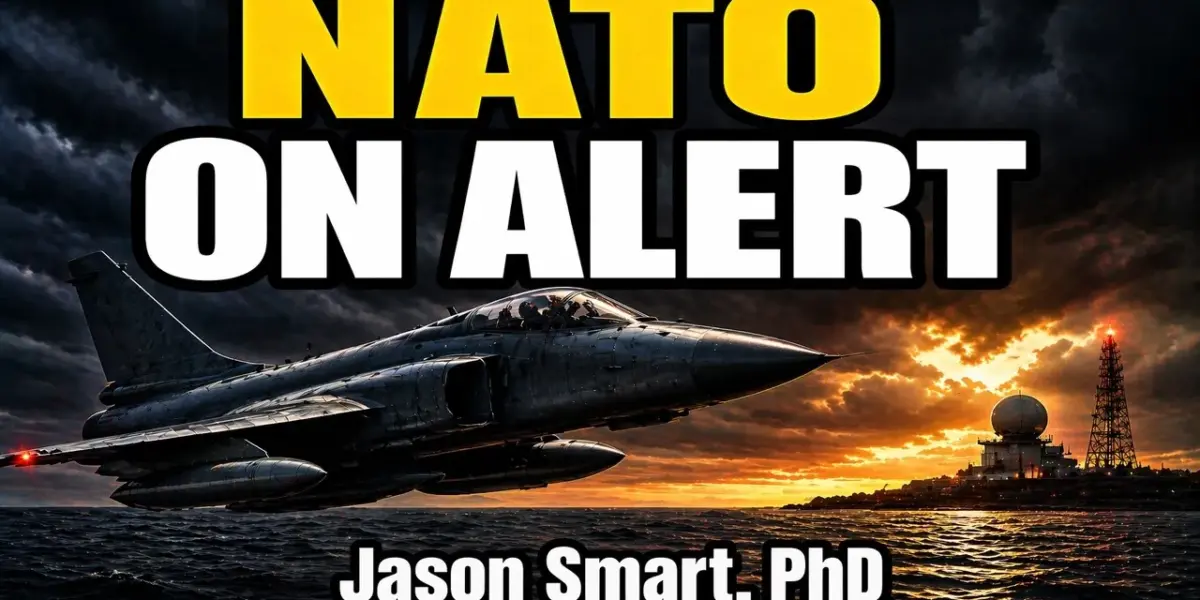
Russia Tests NATO Resolve with Baltic Air Show
Six NATO nations scrambled fighter jets to intercept Russian bombers and their escorts over the Baltic Sea. The Russian military described the flights in neutral waters as routine.
However, this action appears to be a political move by Moscow, designed to demonstrate Russian capability and influence. With just two bombers, Russia prompted a significant reaction from multiple NATO members.
This maneuver allows Vladimir Putin to project an image of control, something he struggles to achieve on the Ukraine front lines. It serves to convince the Russian public that Moscow can still command attention and force reactions from Europe. The flights also compel NATO forces to expend resources and focus their efforts on Russia’s terms.
Strategic Implications
The flights over the Baltic Sea carry a significant risk of diminishing the shock value of future encounters. Repeated actions can normalize what was once a cause for alarm.
This strategy makes sense for Russia given internal challenges. Reports suggest the Russian economy is struggling, with drones targeting its oil industry and infrastructure failures causing disruptions.
For the average Russian, the situation at home appears bleak, with little evidence of success to counter the negative news. The Baltic Sea flights offered a low-cost method to generate perceived leverage and shift attention. When Russia cannot achieve its stated goals in Ukraine, it resorts to creating new diversions.
Internal Russian Struggles
The Kremlin is facing significant internal problems, contributing to its current actions. Gennady Zuganov, a long-serving member of the Russian parliament, recently stated that the Russian economy is collapsing. He warned of a potential crisis mirroring that of 1917 if urgent measures are not taken.
Despite such dire assessments from within Russia, many outside observers still believe Russia is succeeding. This disconnect highlights the propaganda efforts aimed at maintaining domestic support. The internal economic and military strain makes it difficult for Putin to achieve his war aims.
Military Recruitment and Logistics
Russia is reportedly struggling to recruit sufficient personnel for its military operations. Recruitment numbers are low, with estimates suggesting over 80% of new recruits are motivated by financial need rather than ideological support. This has led to significant monthly deficits in soldier numbers.
The thinness of Russian front lines is a growing concern for Moscow. Insufficient pressure from Ukrainian forces could lead to significant breakthroughs.
Internal dissent is growing, even among pro-Kremlin military bloggers and journalists. They are increasingly vocal about worsening logistics, funding shortages, and a lack of advanced technology compared to Ukraine.
The Grizomov Doctrine and Information Warfare
Sergei Shoigu, the Russian Minister of Defense, has claimed significant territorial gains, such as the full capture of Luhansk Oblast. However, these claims are often met with skepticism due to past exaggerations. The strategic objective of the war appears to have shifted from capturing Kyiv to achieving smaller, symbolic victories.
The Grizomov Doctrine, often associated with Shoigu, emphasizes information warfare over direct battlefield confrontation. This approach focuses on manipulating the enemy to act against their own interests, a concept known as reflexive control. The Baltic Sea flights exemplify this by seeking a reaction and projecting an image of strength.
Leadership Purges and Clan Wars
Recent purges within the Russian Ministry of Defense, initiated by the FSB about a year ago, have significantly impacted military leadership. Shoigu was removed, but he and his allies reportedly retain considerable influence and are rumored to be involved in illicit contracts.
Approximately one-third of the Ministry of Defense’s senior leadership was dismissed. This has resulted in a shortage of experienced personnel to manage the military. It also reveals intense internal power struggles among Moscow’s elite, leading to uncoordinated responses to ongoing crises.
Domestic Control and Escalation
The Russian government is increasingly relying on arrests, fines, and new restrictive laws to maintain control. This mirrors the Soviet-era KGB tactic of finding a crime to justify an arrest. The fear of severe repercussions discourages public dissent, but these measures are insufficient to alter the brittle battlefield situation.
Russia feels compelled to escalate its actions to de-escalate the overall situation. Provocative flights over the Baltic and testing European boundaries are seen as ways to secure long-term safety. The West’s perceived lack of a strong response to previous Russian provocations, such as drone incursions and the use of hybrid tactics, may embolden further aggression.
Hybrid Warfare and Geopolitical Impact
Russia understands it cannot win a conventional military conflict today. It relies on unconventional methods like arson, terrorism, and indiscriminate bombing of cities to achieve its aims. Western nations, adhering to laws and norms, are not as prepared for such tactics.
Putin’s strategy involves destabilizing other countries to prevent future threats to Russia. Proxy wars and the mere threat of nuclear weapons create fear and hesitation in adversaries. This tactic has been effective for 26 years, with Western leaders often avoiding direct confrontation with Putin’s regime.
Historical Parallels and Future Outlook
The current situation echoes the late Soviet period. Externally, the USSR appeared powerful, but internally it lacked the capacity for global conflict. Decades of Cold War spending were aimed at confronting a perceived threat that was ultimately hollow.
Today, supporting Ukraine is a far less expensive way to counter the Putin regime. The ongoing conflict is not just about Ukraine’s survival but also about confronting a destabilizing Russian state. Putin needs to distract his population, maintain elite loyalty, and project strength to remain in power.
The provocative actions, such as the MiG flights and alleged assassinations in Europe, serve to project an image of normalcy and defiance. However, the internal pressures within Russia, including economic hardship and recruitment challenges, suggest Putin’s time may be running out. The leader of what is described as a terrorist state may face a quicker end than many anticipate.
Source: Putin Just Tested NATO (YouTube)

Related Articles
Germany Aims for Europe’s Strongest Army Amid Global Threats
Germany is set to build Europe's strongest conventional army, increasing its forces to 260,000 active soldiers and 200,000 reservists. This move, driven by threats from Russia and potential shifts in U.S. European commitments, prioritizes advanced capabilities like drones and cyber defense. The new strategy aims to bolster Germany's role in NATO and ensure European security.
Mandelson’s Putin Lobbying Sparks Judgment Concerns
Lord Mandelson is facing scrutiny for lobbying Russian President Vladimir Putin in 2017 on behalf of a Russian company, AFK Sistema. While his actions were not illegal, critics question his judgment given Russia's adversarial stance towards the UK at the time. Mandelson received significant financial compensation for his role, adding another layer to the controversy.
Ukraine Faces Tough EU Talks Despite Hungary Shift
Ukraine's Foreign Minister Dmytro Kuleba stated that while Hungary's new leadership is less confrontational, Kyiv should not expect an easy path toward EU membership. The shift offers chances for fair deals but a radical change in Budapest's stance on EU accession is unlikely.