Military Strikes on Boats: A Dangerous Gamble?
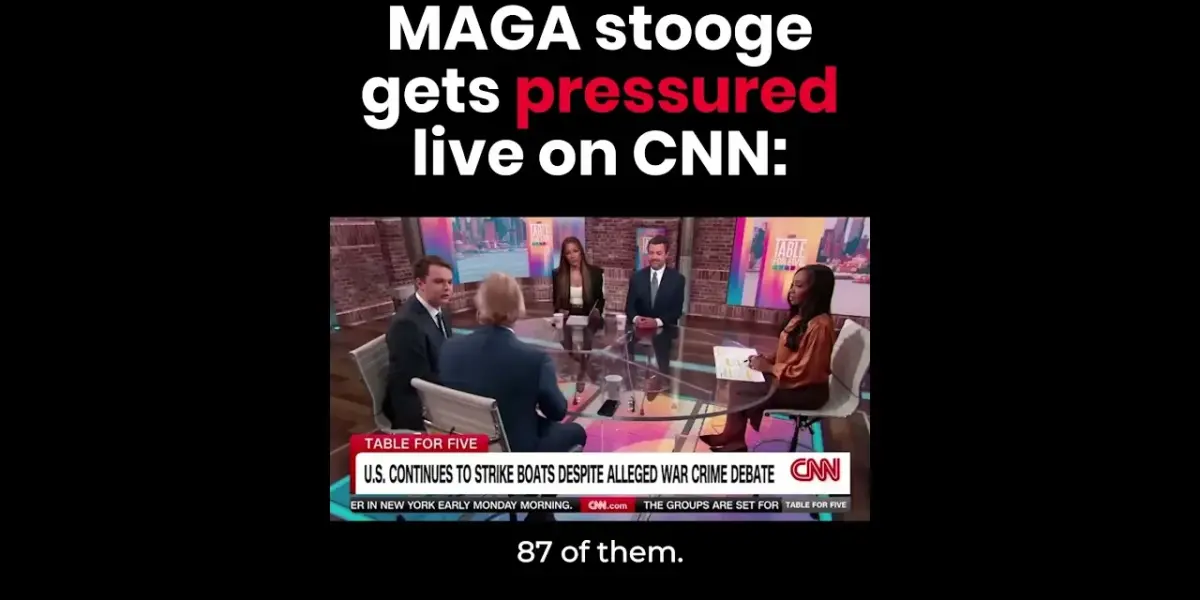
A recent exchange reveals that one in four boats intercepted by the U.S. Coast Guard since 2024 had no drugs. This statistic raises serious questions about the risks and ethical implications of military actions against vessels, especially when there's a significant chance of error. The debate highlights the need for accountability and precise strategies in combating the drug crisis.

Military Strikes on Boats: A Dangerous Gamble?
A recent exchange has raised serious questions about the U.S. Coast Guard’s actions and the potential risks involved in intercepting boats suspected of carrying drugs. The debate centers on a striking statistic: about one in four boats intercepted by the Coast Guard since 2024 have had no drugs on board. This raises a critical question: is it acceptable to take potentially violent action against vessels when there’s a significant chance they are not involved in drug smuggling?
The context of this discussion is the ongoing crisis of drug-related deaths in America, with figures suggesting around 60,000 Americans die from drug overdoses each year. This grim reality understandably drives a strong desire to stop the flow of illegal substances into the country. However, the methods used to achieve this goal are now under scrutiny.
Questioning the Strategy
During a heated exchange, a former Fox News host, now in a position of significant military leadership, was pressed on this issue. The core of the question was straightforward: would he be okay with striking boats if there was a 25% chance they didn’t contain drugs? The response avoided a direct answer, instead pivoting to other facts about the drug crisis and the number of Americans dying. This deflection highlights a potential disconnect between the urgency of the problem and the precision of the solutions being employed.
The interviewer insisted on an answer, emphasizing the risk to innocent lives. “If there’s a 25% chance that there’s no drugs on one of these boats, are you okay with striking them?” The response again sidestepped, questioning the source of the 25% figure and its geographic relevance, suggesting the interceptions were happening closer to the U.S. border, not off the coast of Venezuela.
Where Are the Boats Intercepted?
A key point of contention is the location of these interdictions. The defense of the Coast Guard’s operations seemed to hinge on the idea that these boats were not being intercepted far out at sea, like off the coast of Venezuela. However, the interviewer countered that even if not directly off Venezuela, the Coast Guard operates in international waters where drugs might be transported towards the United States. The exact operational areas and the intelligence guiding these intercepts remain crucial details.
The exchange also touched upon political figures and their past actions. One side brought up Donald Trump’s pardon of a former Honduran president, questioning the sincerity of claims that Trump is focused on combating drugs and saving Americans. This adds a layer of political complexity to the debate, suggesting that actions and policies are being judged not just on their immediate results but also on the broader political context.
Why This Matters
This situation matters because it forces us to confront the difficult balance between national security, public safety, and the ethical considerations of military and law enforcement actions. When lives are on the line, both for those carrying out operations and potentially for those being intercepted, the justification for every action must be exceptionally strong. The statistic that one in four intercepted boats are drug-free is not just a number; it represents a significant margin of error that could lead to tragic mistakes.
It matters for accountability. Leaders in positions of power, especially those overseeing military operations, must be able to answer direct questions about the potential consequences of their strategies. Evasion or deflection erodes public trust and raises concerns about transparency. If the goal is to protect Americans, then the methods used must be beyond reproach, minimizing harm and maximizing effectiveness.
Implications, Trends, and Future Outlook
The trend towards more aggressive interdiction tactics, especially in the face of a severe drug crisis, is likely to continue. However, this incident highlights a growing need for robust oversight and clear guidelines. The potential for misidentification and unintended harm is a serious concern that cannot be brushed aside. Future operations will need to rely on highly accurate intelligence to ensure that force is only used when absolutely necessary and justified.
We may see increased pressure for the Coast Guard and other agencies to publicly share more data on their interdiction success rates, the nature of the threats they face, and the protocols for engagement. The public’s right to know how taxpayer money is being spent and how lives are being risked is paramount. This discussion could also influence policy debates around drug interdiction, potentially leading to calls for more emphasis on prevention, treatment, or different international cooperation strategies.
Historical Context
The U.S. has a long history of engaging in drug interdiction efforts, particularly in the Caribbean and along its borders. These operations, often conducted under the umbrella of the War on Drugs, have involved significant resources and personnel from various agencies, including the Coast Guard, Navy, and DEA. Throughout these efforts, there have been recurring debates about their effectiveness, the cost in terms of lives and resources, and the ethical implications of military-style operations against what are often small, civilian vessels.
Past operations have sometimes resulted in tragic accidents or accusations of excessive force. The challenge has always been to disrupt trafficking networks without causing undue harm to innocent individuals or escalating tensions. This latest exchange brings these historical concerns into sharp focus, reminding us that the methods used to combat drug trafficking require constant re-evaluation to ensure they align with both national interests and fundamental human values.
The statistic that one in four intercepted boats are drug-free is not just a number; it represents a significant margin of error that could lead to tragic mistakes.
Source: He Didn't Expect This 🔥 (YouTube)

Related Articles
Ex-General: Push Unemployed Youth Into Military Service
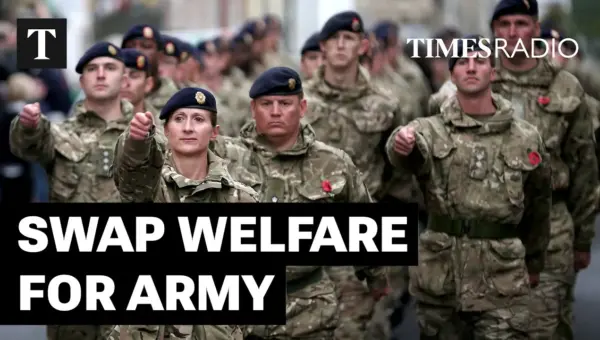
Retired Major General Tim Cross warns of a serious defense funding crisis in Britain, blaming "corrosive complacency." He proposes enlisting unemployed youth into the military as an alternative to welfare, arguing the nation must prepare for a dangerous world.

Britain Faces Peril: Ex-NATO Chief Warns of Defense Crisis
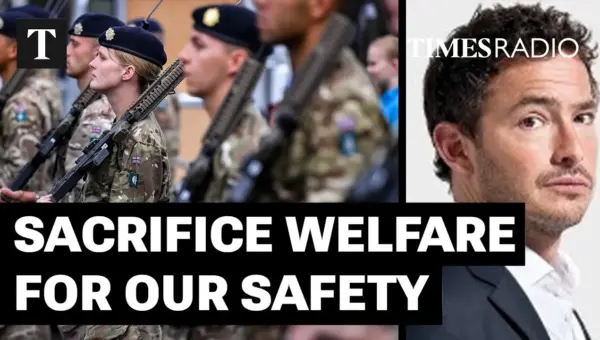
Former NATO chief Lord Robertson has issued a stark warning that Britain's national security is in peril due to underfunding and overspending on welfare. The discussion highlights the nation's unpreparedness for global threats and questions the effectiveness of potential solutions like national service. This intervention forces a crucial reckoning on defense priorities and future readiness.


UK Defense Budget Faces “Black Hole” Amid Spending Squeeze
The UK faces a significant shortfall in its defense budget, with the Treasury offering only a fraction of the funds military chiefs deem necessary. Chancellor Rachel Reeves is balancing defense needs against other pressing economic crises, drawing criticism for "shocking complacency." The government's options are limited by a rising welfare bill and economic pressures, making future decisions increasingly challenging.