Elite Doubt Grows as Putin Faces Mounting Crises
Growing distrust within Vladimir Putin's inner circle, coupled with significant military recruitment shortfalls and financial strain, signals a potential weakening of his regime. Elites are reportedly questioning Putin's ability to protect their interests amidst mounting war costs and battlefield failures. This internal dissent, alongside Russia's military struggles, suggests a precarious position for the Russian leader.

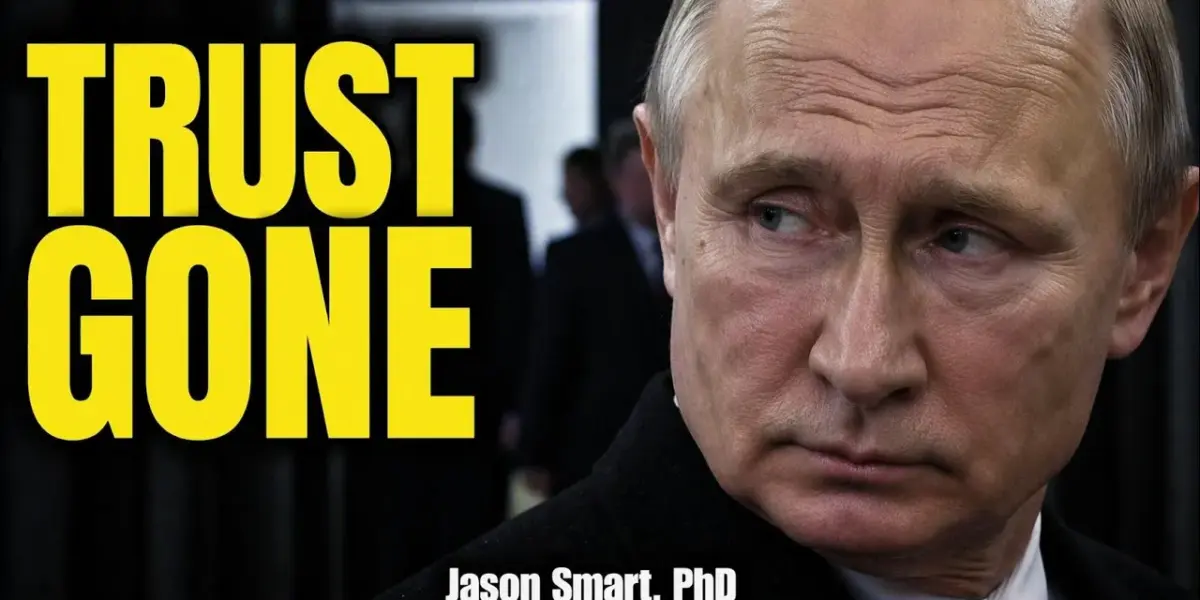
Elite Doubt Grows as Putin Faces Mounting Crises
Vladimir Putin is facing growing distrust from his inner circle, a development that poses a greater threat than battlefield losses. This internal dissent is a common downfall for personalist dictatorships, which often collapse not from public uprising but from elite decisions that the leader has become too costly to support. Historically, loyalty to such rulers has bought protection, wealth, and survival. However, Putin’s ability to guarantee these benefits for his elite is now in question.
Recent events, including a significant shift in Hungarian politics, highlight Russia’s declining influence. The election results in Hungary, where Peter Magyar challenged Viktor Orban, signal a weakening of Moscow’s long-held grip on European affairs. Orban, who had previously worked to support Russian interests, is now out of power, and his associates are reportedly fleeing due to expected investigations into campaign financing and foreign influence. This situation in Hungary is seen not as an isolated incident, but as a symptom of a larger sickness within Putin’s regime.
Internal Discontent and Financial Strain
Within Russia, a growing number of elites are expressing dissatisfaction with Putin. An interview with an Estonian newspaper, the Postimees, revealed that prominent economists believe Russian elites are turning against the leader. They find that Putin’s war in Ukraine is costing them immense wealth. Despite being summoned by Putin to support the war effort financially, these elites have reportedly offered only about $1.3 billion. This amount is negligible compared to Russia’s financial challenges, including $58 billion in frozen assets and a budget deficit exceeding $45 billion.
A declassified U.S. assessment indicates that 23 top Russian billionaires have lost approximately $67 billion, about 20% of their combined wealth, due to the invasion of Ukraine. This significant financial drain leads elites to question Putin’s value. If he no longer protects their wealth and status, his continued leadership becomes a liability. This echoes past instances, such as the flight of Viktor Yanukovych in 2014 after the initial invasion of Ukraine, suggesting a pattern of leaders abandoning regimes that no longer offer stability.
Military Strain and Recruitment Shortfalls
The war in Ukraine is also straining Russia’s military capabilities. The country faces severe recruitment problems, struggling to attract enough new contract soldiers. Russia is reportedly enlisting about 800 new contract soldiers per day, which is significantly less than the over 1,000 needed daily to maintain current levels and compensate for losses. This shortfall means Russia is about 25% below its recruitment targets, leading to substantial military losses and an inability to reinforce front lines effectively.
Russia’s target for 2026 was to recruit 409,000 soldiers, but current estimates suggest they may only reach 292,000. This deficit is impacting battlefield performance, with Russia failing to capture significant new territory in recent weeks. Despite increased bonuses offered by 35 Russian regions, the military continues to struggle with recruitment. The Russian Minister of Defense himself has described the situation as dire, stating Russia lacks the necessary soldiers to continue the war and that Ukraine holds the upper hand.
Geopolitical Repercussions and Putin’s Isolation
The impact of these internal and military challenges extends to Russia’s international standing. The situation with Chinese workers in eastern Russia protesting unpaid wages highlights the government’s financial distress. Moscow’s hesitant response to these protests, fearing Beijing’s reaction, demonstrates Putin’s dependence on foreign support and his increasing isolation. This lack of funds affecting factories and leadership suggests a systemic economic failure directly linked to Putin’s decisions.
Putin’s personal security measures also indicate a heightened sense of vulnerability. The relocation of approximately 27 air defense towers near his residence in Valdai, a significant number compared to the defenses around Moscow, suggests he feels increasingly threatened. This move, coupled with declining public trust in his government, paints a picture of a leader concerned more with personal survival than with effective governance. The regime’s control over information, through crackdowns on platforms like Telegram and VPNs, further underscores the pressure points within the ruling circle.
Strategic Implications
The growing distrust among Russia’s elites and the severe military shortfalls suggest a potential weakening of Putin’s grip on power. The financial strain on the elite, combined with battlefield failures, creates a dangerous environment for the Russian leader. If key supporters believe Putin poses a greater risk to their wealth and security than he offers protection, their loyalty may waver. This internal dynamic, more than external pressure, could lead to the regime’s instability. The ability of Ukraine to potentially push back Russian forces is enhanced by Russia’s internal weaknesses, making a Ukrainian victory more realistic.
Source: Putin's Inner Circle No Longer Trusts Him (YouTube)

Related Articles


Exposed: Duo Behind Pro-Russia Podcast Funded Paramilitaries
An investigation has revealed the identities of the hosts behind the pro-Russia podcast "Russians with Attitude." The hosts, identified as Kiril Kamyki and Eldar Darlov, not only promoted pro-war narratives but also fundraised for Russian paramilitary groups. Some platforms have taken action, while others have not.

Russia Faces New Internal, External Pressures
Russia faces escalating challenges on multiple fronts, from intensified internal sabotage efforts and mounting casualty figures in Ukraine to geopolitical shifts and global energy market instability. Analysts suggest Ukraine holds strategic advantages as Russia's demands remain maximalist.
Hungary’s Shift May Herald Putin’s EU Isolation
Hungary's election results signal a major shift, potentially isolating Russia within the EU. Meanwhile, Ukraine continues to target Russian infrastructure, exposing Moscow's growing military and economic vulnerabilities. The conflict grinds on with no clear end in sight.