UK Defense Budget Faces “Black Hole” Amid Spending Squeeze
The UK faces a significant shortfall in its defense budget, with the Treasury offering only a fraction of the funds military chiefs deem necessary. Chancellor Rachel Reeves is balancing defense needs against other pressing economic crises, drawing criticism for "shocking complacency." The government's options are limited by a rising welfare bill and economic pressures, making future decisions increasingly challenging.

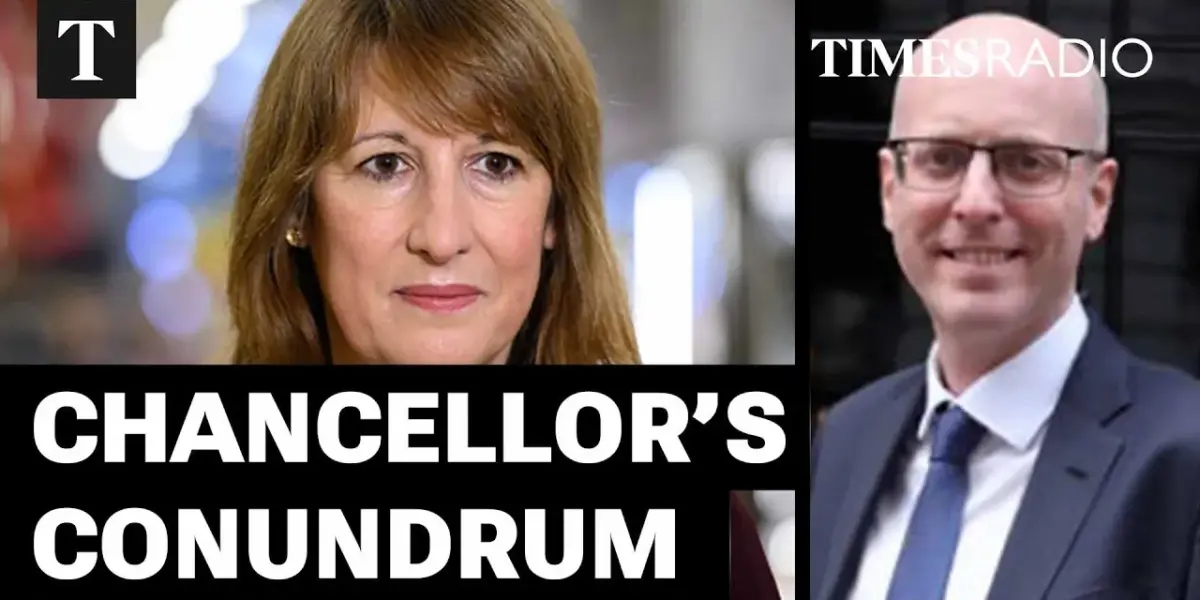
Defense Spending Gap Widens as Chancellor Faces Tough Choices
Chancellor Rachel Reeves is facing significant pressure over the UK’s defense budget, with a “massive hole” of an estimated 28 billion pounds over four years needing to be addressed. While defense chiefs are calling for urgent action, the Treasury has only offered an additional 2.5 billion pounds per year, a figure widely seen as insufficient. This shortfall highlights a deep divide between the needs of the armed forces and the government’s current financial capacity.
Treasury’s Dilemma: Balancing Defense with Other Crises
The Chancellor’s limited offer is largely due to the complex economic challenges facing the UK. Beyond defense, Reeves must contend with the ongoing war in Iran, the impact of rising energy costs on vulnerable households, and the potential need for a significant energy bailout later this year.
A previously considered fuel duty increase is also unlikely to go ahead in September. These competing demands create a difficult balancing act for the Treasury.
Critics Slam “Shocking Complacency” on Defense
The perceived lack of adequate funding has drawn sharp criticism from various quarters. Lord Robertson, a former Labour cabinet minister and NATO Secretary General, accused the government of “shocking complacency” regarding national security.
This intervention from a prominent figure within the Labour party highlights the growing concern about the state of the UK’s defense capabilities. The situation puts Reeves in a no-win scenario, where any decision is likely to face public scrutiny and political opposition.
Understanding the Numbers: Shortfall vs. Offer
Confusion has swirled around the exact figures being discussed. Defense chiefs estimate a 28 billion pound deficit over four years. In response, the Treasury has proposed 10 billion pounds over the same period, which equates to 2.5 billion pounds annually.
This offer falls significantly short of what the military believes is necessary to maintain current operational levels, let alone enhance them. The government argues that without further tax increases or borrowing, which are politically unfeasible during a cost of living crisis, this is the most it can commit.
Welfare Bill and Political Constraints
A significant factor complicating defense spending decisions is the rising welfare bill. While the military points to the welfare budget as an area for potential savings, the political reality makes significant cuts extremely difficult.
Past attempts at welfare reform have faced strong opposition, and the current Prime Minister’s low approval ratings make such politically charged decisions even riskier. This leaves the government in a bind, unable to easily reallocate funds from welfare without facing considerable public backlash.
Defense as a “Black Box” Problem
Experts suggest that the Ministry of Defence (MOD) shares some similarities with the National Health Service (NHS) when it comes to financial management. There is a perception of inefficiency and a lack of clear oversight in how funds are spent.
Compounding this issue is the secretive nature of budgeting for certain defense projects, particularly those related to the nuclear deterrent. This lack of transparency makes it challenging for the Treasury to effectively monitor and control MOD spending, leading to historical mistrust between the two departments.
Economic Headwinds and Future Outlook
The UK’s economic situation further complicates matters. Recent reports indicate the UK is expected to be the worst-hit G7 economy, largely due to its vulnerability to inflation and energy price shocks. This economic fragility means the government is hesitant to commit to significant new spending without clear funding sources.
Looking ahead, while the Treasury’s current offer may be insufficient, it is possible that it will need to increase its commitment. However, any further increases may come at the expense of other capital spending projects, such as transport infrastructure, to remain within fiscal rules.
Energy Crisis Looms as Autumn Challenge
While defense spending is the immediate focus, the government is also bracing for potential challenges related to energy costs this autumn. If the current crisis persists, another fiscal support package may be necessary.
Funding such measures will present further difficult decisions, especially as markets may demand a high price for any additional government borrowing. This suggests that the difficult choices made now on defense could lead to even tougher decisions regarding energy support later in the year.
Source: Massive Hole In Defence Spending Adds To Chancellor's Growing Problems | Steven Swinford (YouTube)

Related Articles


Jack Smith: Trump Kept Docs for Business Gain, Probe Finds
Special Counsel Jack Smith's investigation into Donald Trump's handling of classified documents suggests a potential motive rooted in business interests, according to a progress memo. The FBI reportedly found many documents related to Trump's businesses among those he retained after leaving office. This finding, which the White House denies, could be key to understanding why the documents were allegedly concealed from the Justice Department.

TSA Faces Shutdown Chaos: Acting Chief Warns of Security Risks
The acting head of the TSA warned of significant security risks due to an unprecedented funding lapse, with the agency having missed 50% of its operational days this fiscal year. TSA officers are working without pay, leading to operational challenges like consolidated security lanes and the potential closure of smaller airports. The administrator urged Congress to fully fund the Department of Homeland Security to prevent future disruptions.

Reeves Targets Energy Aid, Trump’s ‘Gift’ Fuels Speculation
UK Chancellor Rachel Reeves is shifting energy support to focus on benefit recipients, a move praised by some for fiscal responsibility but questioned for its bluntness. Meanwhile, Donald Trump's vague claims of a "gift" from Iran have sparked speculation about potential de-escalation or market manipulation. Separately, Labour's Angela Rayner criticizes the party's current strategy, drawing parallels to past electoral defeats and positioning herself for future leadership.