Paul Warns Against Easy Fed Fixes Amid Inflation Fears
Senator Rand Paul argues that interest rates should be set by market supply and demand, not the Federal Reserve. He warns against policies that could worsen inflation, drawing parallels to the 1970s. The discussion also touches on Fed nominations and leadership.

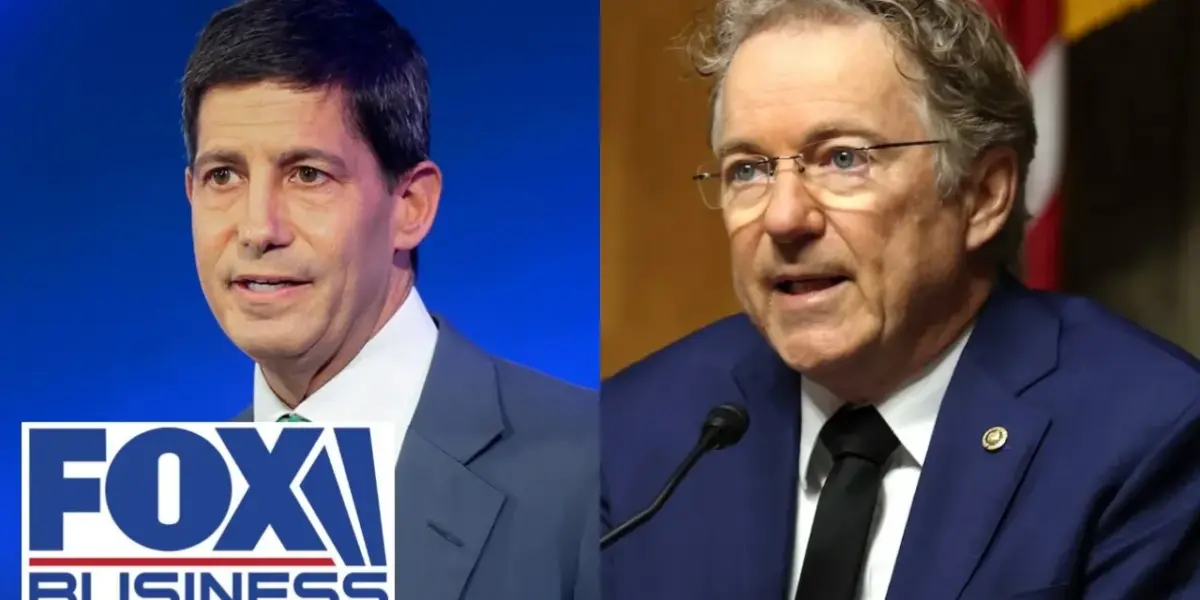
Paul Cautions Against Fed Rate Manipulation Amid Inflationary Pressures
Senator Rand Paul, a noted figure in monetary policy discussions, has cautioned against the Federal Reserve artificially lowering interest rates, especially with current global economic conditions. Speaking on a recent broadcast, Paul emphasized that interest rates, like the prices of goods, should be determined by supply and demand in the open market, not by central bank decisions.
Market Forces Should Dictate Rates, Not the Fed
Paul likened the pricing of money through interest rates to the pricing of everyday items like bread. He stated that anyone claiming to know the precise interest rate needed is lacking humility.
“The marketplace should be determining it and for the most part, humans should stay out of the way,” Paul argued. While acknowledging the Fed’s role in setting the overnight rate and influencing broader interest rates, he expressed a preference for the Fed to follow market trends rather than lead them.
“The price of interest is similar to the price of bread or similar to the price of anything that should be based on supply and demand.”
This perspective aligns with a free-market approach, suggesting that economic indicators like inflation and oil prices should naturally guide interest rate adjustments. The discussion emerged in the context of a nomination for the Federal Reserve, with Treasury official Scott Bessent reportedly advising against the Fed pushing down interest rates due to high energy prices and ongoing global conflicts. This advice contrasts with President Trump’s desire for lower rates to stimulate the economy.
Inflation Risks and Historical Parallels
Concerns about inflation were also highlighted, with reports from organizations like the OECD suggesting inflation might be higher than initially projected, possibly reaching 4.2% or even 3.5%. Paul referenced the 1970s, a period marked by rising oil prices and easy money policies, as a cautionary tale. He warned against taking actions that could exacerbate inflationary pressures, stating, “I don’t think we should do anything to fan the flames.” This historical parallel suggests that injecting too much money into the economy or keeping borrowing costs artificially low can turn temporary price increases into persistent inflation.
The Warsh Nomination and Fed Leadership
The conversation also touched upon the nomination of Kevin Warsh to the Federal Reserve. While Paul had not met Warsh, he noted the positive recommendations and strong academic credentials Warsh possesses, particularly from conservatives advocating for fiscal responsibility.
However, Paul remained non-committal, stating he needed to meet Warsh to understand his views on running the central bank. He expressed a desire for a Federal Reserve that is smaller and less involved in central planning, a sentiment he believes Warsh might share.
The nomination process itself drew criticism, with concerns raised about the Justice Department holding up the proceedings. Paul agreed that no one should be Fed chairman for life, even expressing a desire to eliminate the position altogether.
He also commented on the ongoing situation involving current Fed Chairman Jerome Powell, suggesting that while he is not a strong supporter of Powell, he opposes using legal means to pursue him. Paul believes the best way to move past Powell is to conclude any potential investigations and allow for a new chairman to be appointed.
Market Impact and Investor Considerations
The debate over interest rates and Fed policy has significant implications for investors. When interest rates are low, borrowing becomes cheaper, which can encourage spending and investment, potentially boosting stock markets.
However, it can also lead to inflation, eroding the purchasing power of money over time. Conversely, higher interest rates can slow down economic growth but help control inflation.
Senator Paul’s stance suggests a preference for allowing market forces to determine the appropriate level of interest rates, even if it means rates might rise. Investors watching this debate should consider how potential Fed actions could impact different sectors. For example, companies that rely heavily on borrowing might struggle with higher rates, while financial institutions could benefit.
The ongoing discussion about inflation and the Fed’s role highlights the delicate balance policymakers face in managing the economy. Staying informed about inflation data and Federal Reserve communications will be crucial for investors navigating these uncertain economic times.
Source: Rep Rand Paul: We shouldn’t look for an easy fix on this… (YouTube)

Related Articles
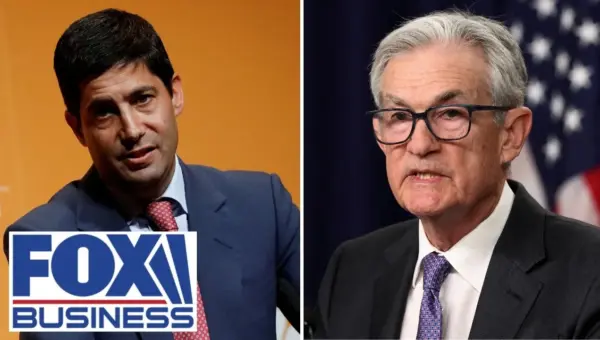
Senator Urges Fed Compliance, Cites ‘Enormous Uncertainty’
Senator Dave McCormick is urging the Federal Reserve to comply with a Justice Department request for documents related to cost overruns. He described the situation as a moment of "enormous uncertainty" and emphasized that the Fed is not above the law. The senator suggested transferring the investigation to the Banking Committee as a potential path forward.
Wall Street Soars as Americans Struggle: A Widening Economic Divide
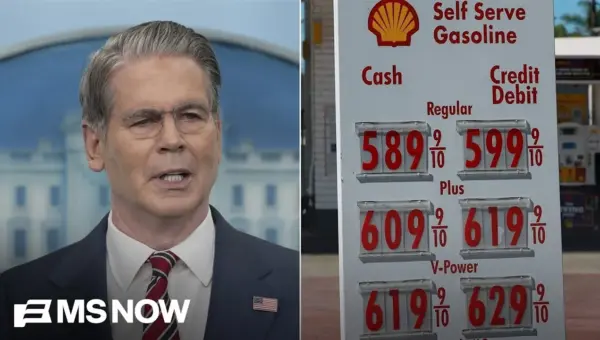
Wall Street is experiencing record profits while ordinary Americans struggle with rising costs and economic uncertainty. This widening gap is fueled by policy decisions and a disconnect between market performance and everyday lived experiences. Key issues include sticky prices, unclear government objectives, and proposed budget cuts that raise questions about national priorities.
Economy Roars Back as Regulations Fall Away
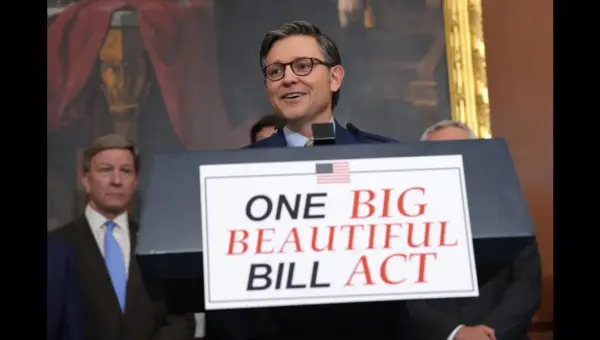
Tax cuts and deregulation are fueling economic growth, with wages now outpacing inflation. This "boot off the throat of the economy" approach is leading to increased productivity and more money in Americans' pockets. The focus is on empowering businesses and individuals, reducing government intervention.