Hungary Elects New Prime Minister, Ending Orban’s 16-Year Rule
Hungary has elected Peter Magyar as its new prime minister, ending Viktor Orban's 16-year rule after a significant election victory for Magyar's TISZA party. Preliminary results show TISZA securing a majority, with Orban conceding defeat and congratulating his opponent. The election signals a potential shift towards closer ties with the European Union and NATO.

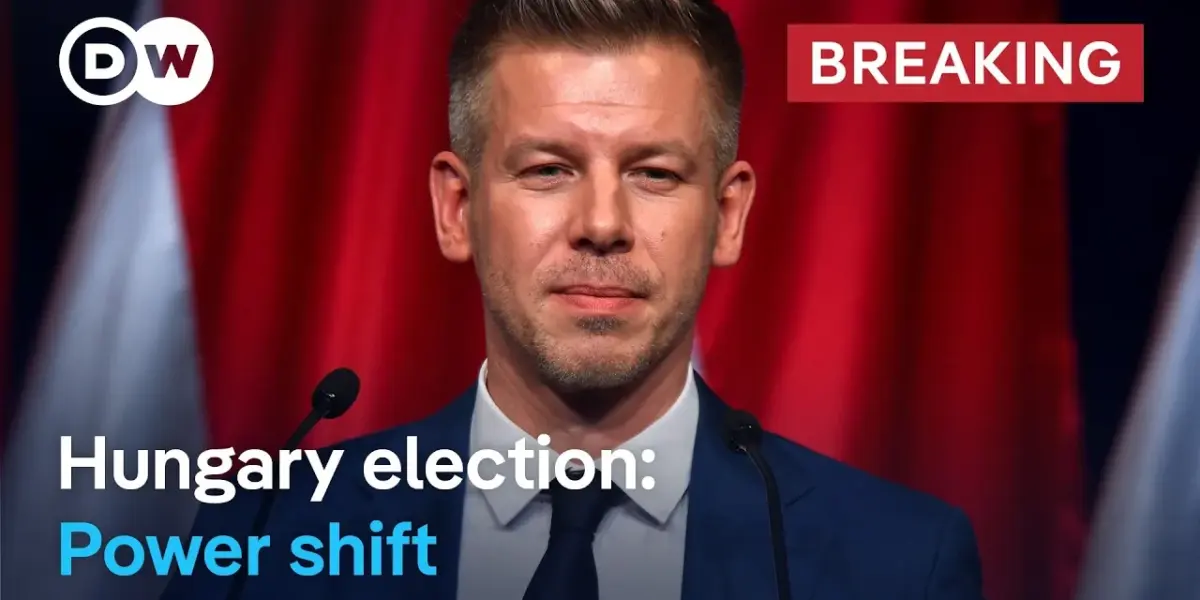
Orban Concedes Defeat in Historic Hungarian Election
Hungarian Prime Minister Viktor Orban has conceded a significant election defeat, marking the end of his 16-year tenure in power. The concession came after preliminary results showed opposition leader Peter Magyar’s TISZA party securing a clear majority in the national election.
Orban addressed his supporters, acknowledging the outcome and stating he had congratulated Magyar on his victory. This election is seen as a critical moment for Hungary’s future direction, particularly regarding its relationships with the European Union and NATO.
Magyar’s TISZA Party Claims Victory
Preliminary results from Hungary’s National Election Commission indicate that the TISZA party, led by Peter Magyar, garnered approximately 53% of the vote. In contrast, Orban’s Fidesz party received about 38%.
If these figures are confirmed, Magyar’s party will hold a substantial majority in parliament, empowering him to enact his proposed changes. The high voter turnout highlights the importance of this election for the nation’s political landscape.
Supporters React to Orban’s Loss
At Viktor Orban’s election watch party in Budapest, the atmosphere was somber following the concession. Many of the gathered supporters appeared shocked and saddened by the results, with some unwilling to speak to reporters. Those who did comment expressed a mix of disbelief, resignation, and worry about the future.
One woman voiced fears that the country might be drawn into war, potentially sending her sons to fight. Others expressed concern about the potential loss of family benefits previously supported by the Fidesz party.
Despite the palpable fear and uncertainty among Fidesz voters, some acknowledged the election outcome and expressed trust in the incoming government to act in the nation’s best interest. However, the overall sentiment among Orban’s supporters was one of disappointment and concern for Hungary’s future after 16 years under Fidesz leadership.
Magyar Promises Pro-European Stance and Reforms
Peter Magyar has signaled a significant shift in Hungary’s foreign policy, vowing to pursue a more pro-European agenda. He has stated his intention to work towards Hungary joining the Euro currency and to be a reliable partner within NATO.
Magyar also aims to improve cooperative relations with Brussels, the administrative center of the European Union. The extent to which he can implement these plans will depend on the final margin of his party’s victory and their control within parliament.
Analysts suggest that if Magyar secures a two-thirds majority in parliament, he will have the power to repeal Fidesz-era legislation and implement his reform agenda. However, the final confirmation of this supermajority is still pending as vote counting continues. Regardless, significant changes are anticipated in Hungarian politics, especially concerning its international relations.
Campaign Strategies and Voter Shifts
Magyar’s campaign was characterized by extensive travel across the country, reaching out to voters in smaller towns and villages that have historically supported Fidesz. This grassroots approach appears to have resonated with voters, particularly in eastern Hungary, where Fidesz has traditionally been strong. Reports suggest a lower turnout in these areas, indicating a potential shift in voter preferences or a success in mobilizing new supporters.
The election saw a notable contrast in campaign styles, with Magyar actively engaging with citizens in their local communities. This direct outreach may have been key in winning over voters in rural areas and former Fidesz strongholds. The final results will offer a clearer picture of which voter demographics contributed most significantly to Magyar’s victory.
International Reactions and Future Outlook
While immediate international reactions were still being gathered, the prospect of Peter Magyar becoming Hungary’s next prime minister has generated significant global interest. The shift towards a more pro-European stance is expected to be welcomed by many international partners. On the streets of Budapest, supporters of the TISZA party celebrated the historic victory, with cheers and slogans filling the air.
The mood in the city center was a mix of euphoria and disbelief, contrasting with the disappointment felt at Orban’s camp. This election marks a new chapter for Hungary, with many, especially younger generations, eager for change after 16 years of Fidesz rule. The coming days and weeks will reveal the full impact of this political transition as the new parliament convenes and begins its work.
The new parliament is expected to convene soon, possibly by midday, to begin the process of forming the new government. All eyes will be on Peter Magyar and his TISZA party as they step into a new era for Hungary.
Source: Peter Magyar wins Hungary election as Orban concedes defeat | DW News (YouTube)

Related Articles

Hungary Ousts Orban in Landslide Election Victory
Hungary has elected Peter Majar and his Tissa party in a landslide victory, ending Prime Minister Viktor Orban's 16-year rule. The election results mark a significant shift for the nation and could impact European politics, particularly regarding support for Ukraine. The Tissa party secured a dominant mandate, signaling a strong desire for change among Hungarian voters.

Hungary’s New Leader Humiliates Authoritarianism
Hungary's new center-right leader, Peter Magyar, has achieved a stunning victory against Viktor Orbán, signaling a rejection of authoritarianism. Magyar aims to restore democratic principles, combat corruption, and re-anchor Hungary in a pro-Western tradition.

Orbán’s Grip: Can Hungary’s New Leaders Undo His System?
Viktor Orbán's 16-year rule in Hungary has left a lasting impact on the nation's institutions, with allies placed in key positions within the courts, media, and economy. As a new government takes power, it faces the challenge of governing within a system designed to maintain Orbán's influence. The incoming leadership aims to enact reforms, but dismantling Orbán's entrenched network will be a significant test.