RFK Jr. Faces Tough Questions on Mercury, Vaccines, and His Past
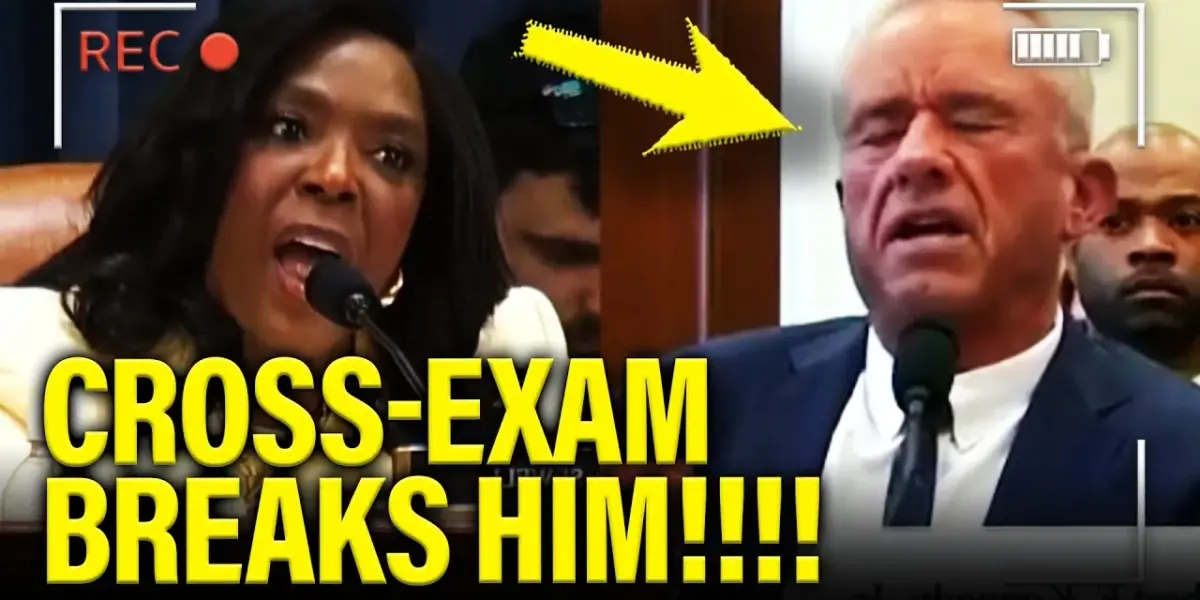
Robert F. Kennedy Jr. faced a barrage of questions in Congress regarding mercury pollution, controversial remarks about children, and vaccine policy. Lawmakers presented evidence challenging his statements and current actions, leading to tense exchanges.

RFK Jr. Faces Tough Questions on Mercury, Vaccines, and His Past
During a recent congressional hearing, Robert F. Kennedy Jr. found himself under intense questioning from Democratic representatives.
The focus was on his past statements and his current role. Lawmakers pressed him on issues ranging from environmental toxins like mercury to vaccine policy and his personal views on child-rearing.
Several members of Congress presented what they called “receipts” – evidence from his past statements and reports – to challenge his testimony. This approach aimed to highlight what they viewed as inconsistencies or problematic views held by Kennedy Jr. The atmosphere was tense, with representatives seeking direct answers to complex issues.
Mercury and Environmental Concerns
One line of questioning focused on mercury, a substance Kennedy Jr. himself has described as a potent neurotoxin. Representative Harter pointed out that the administration Kennedy Jr. is part of has reportedly increased mercury pollution. Kennedy Jr. stated he was not part of those specific decisions and often redirected questions to matters within his direct agency’s purview.
He emphasized his role as head of Health and Human Services (HHS) and his commitment to ending the chronic disease epidemic. However, he faced criticism for not commenting on broader environmental policies, with some calling his stance convenient or cowardly. Kennedy Jr. maintained that he should be asked about issues his agency directly handles.
Controversial Statements on Children and ADHD
Representative Su brought up a podcast interview where Kennedy Jr. reportedly made controversial remarks about Black children on ADHD medication. She claimed he suggested these children needed to be “reparented.” Kennedy Jr. denied making such statements and expressed confusion about the term “reparented” in this context.
The exchange became heated as Su insisted he had made the comments. Kennedy Jr. stated he would not answer questions about things he did not say and asked to hear the recording. The congresswoman highlighted that he is not a board-certified physician, prompting him to note that many HHS secretaries before him also lacked medical degrees.
Glyphosate and Agricultural Policy
Representative Pokean questioned Kennedy Jr. about his stance on glyphosate, a widely used herbicide. Kennedy Jr. had previously called it a probable carcinogen and stated a Trump administration USDA would ban its use. However, he appeared to support an executive order expanding its production, citing national security concerns about China controlling the food supply.
When asked if he would eat food with glyphosate, Kennedy Jr. suggested he would not by choice, but acknowledged the administration’s efforts to develop alternatives. He expressed a desire for consistency in public health messaging, distinguishing between health initiatives that are convenient and those that are fundamental.
Raw Milk and Public Health Advice
Representative Deloro questioned Kennedy Jr. about raw, unpasteurized milk. While the FDA warns of health risks associated with it, Kennedy Jr. stated that raw milk is regulated by states, not the federal government, and that his agency informs the public rather than dictating choices.
Deloro pressed him on whether he felt a moral responsibility to advise against consuming raw milk, given its potential to cause serious harm, especially to children. Kennedy Jr. countered by pointing out that other food products can also contain contaminants, reiterating that people make choices based on information provided.
Budget Proposals and Agency Coordination
Representative Dean focused on budget proposals, questioning Kennedy Jr. about proposed cuts to substance abuse and mental health programs. He confirmed the proposed cuts but stated that funding had been increased elsewhere for addiction treatment. Dean expressed skepticism, calling it “shifting and shafting” and questioning the competence of the administration’s decision-making, especially after grant cancellation notices were issued and then reversed.
Dean also questioned Kennedy Jr.’s replacement of all 17 members of the Advisory Committee on Immunization Practices, implying the new members lacked the necessary expertise. Kennedy Jr. strongly denied this, calling the assertion “completely, utterly wrong.”
Vaccine Messaging and Public Health Campaigns
Representative Linda Sanchez raised concerns about the CDC suspending public health messaging on vaccines. She asked if President Trump approved this decision, but Kennedy Jr. focused on responding to what he called misinformation about the situation and highlighted the U.S. performance in preventing measles compared to other countries.
Sanchez also questioned the use of taxpayer dollars for a public health messaging campaign involving milk in a hot tub with Kid Rock, contrasting it with the suspension of pro-vaccine messaging. Kennedy Jr. stated his time was expired and he wished to respond to the misinformation presented.
Why This Matters
The hearing highlights the intense scrutiny public officials face, especially when their past statements and current actions are perceived to conflict. It also brings to the forefront critical public health issues, including environmental toxins, vaccine safety, and mental health services. The differing viewpoints presented highlight the complex challenges in balancing individual freedoms with public health mandates and policy decisions.
The questioning also touches upon the broader political environment, with accusations of inconsistency and political maneuvering. The effectiveness of these hearings lies in their ability to inform the public and hold officials accountable, though the effectiveness in achieving consensus or policy change remains a subject of ongoing debate.
Looking Ahead
Future oversight hearings will likely continue to probe these complex issues. The public’s trust in health agencies and their leaders relies on transparency and clear communication. The ongoing discussions around these topics will shape public health policy and public perception for years to come.
The next hearing on this topic is scheduled for the upcoming fiscal quarter, focusing on budget allocations for public health initiatives.
Source: 🚨TOP Trump Official CRACKS under CROSS EXAM at HEARING!!! (YouTube)

Related Articles


Middle East Peace Deal, FISA Extension Shake Up Politics
President Trump announced Iran's agreement to open the Strait of Hormuz, coinciding with an Israel-Lebanon ceasefire, impacting oil prices and markets. Meanwhile, the Senate extended FISA surveillance powers for 10 days amidst privacy concerns. Health Secretary Robert F. Kennedy Jr. testified on combating fraud and chronic disease.

RFK Jr. Dodges 25th Amendment Question, Sparks Controversy
Robert F. Kennedy Jr. avoided answering a direct question about invoking the 25th Amendment if a president fails a mental fitness test. This response has sparked controversy, with critics questioning his commitment to constitutional safeguards. The incident highlights ongoing debates about presidential fitness and accountability.

RFK Jr. Health Reforms Spark Debate: A Look at the Changes
Robert F. Kennedy Jr.'s health policy reforms are sparking debate, focusing on budget cuts and drug pricing. Proposals include changes to NIH funding and the regulation of popular peptides, aiming for a more accountable healthcare system.