Gaming Handheld Cameras: From Game Boy to Switch
From the grainy shots of the Game Boy Camera to the 3D capabilities of the 3DS and the external webcam for the Switch, this is how cameras on gaming handhelds have evolved. We explore the unique features and target audiences for each device's imaging technology.

Handhelds Get a Lens: A Look Back at Gaming Cameras
Gaming handhelds have come a long way, and so have their cameras. What started as a novelty on the original Game Boy Camera has evolved into a feature on modern devices. We’re taking a trip down memory lane to see how the cameras on these portable consoles have changed over the years.
The journey begins with the original Game Boy Camera, a device that was truly ahead of its time. It was one of the very first gaming gadgets to include a camera.
This allowed players to take grainy, black and white photos and even play simple mini-games using those images. It was a simple concept, but it planted the seed for future integrated cameras in gaming devices.
Nintendo’s Camera Evolution: DSi to 3DS
Nintendo was one of the first major players to bring built-in cameras to the handheld scene with the Nintendo DSi. This device featured two cameras, one on the outside and one on the inside, allowing for basic photo taking and sharing. It was a significant step up from the Game Boy Camera, offering color images and more interactive features.
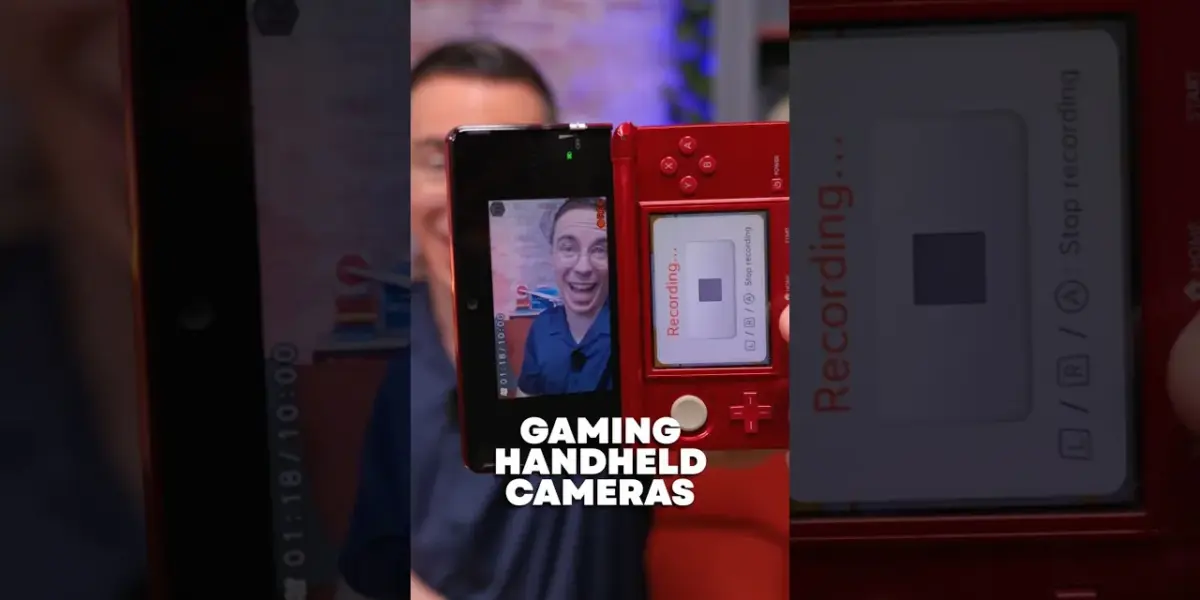
The evolution continued with the Nintendo 3DS, which took things a step further by including two rear cameras. These weren’t just for standard photos; they enabled 3D photography and videography.
Users could capture moments in a way that mimicked how we see the world, adding a new dimension to their memories. This was a unique feature that set the 3DS apart from its competitors at the time.
Sony’s PS Vita: A Sharp, If Overdone, Image
Sony’s PlayStation Vita also entered the handheld camera race, boasting what was technically a better camera. However, early reviews and user experiences often pointed out an issue with extreme contrast.
Images could appear over-sharpened, with colors and brightness pushed to an almost unnatural level. It was a powerful camera, but sometimes the processing made photos look a bit too intense, as if the contrast slider was stuck at maximum.
The Unexpected Camera: Nintendo Switch
Perhaps the most surprising entry in the handheld camera story is the Nintendo Switch. Unlike its predecessors, the Switch doesn’t have a built-in camera in the traditional sense. Instead, Nintendo offered a first-party accessory, a webcam that connects via USB.
This approach is quite different from what we’ve seen before. While it offers better image quality than many older handheld cameras, it requires an extra purchase and isn’t as seamlessly integrated as a built-in option. This makes it more of a specialized tool for specific uses, like streaming or video calls, rather than a casual photo-taking device.
Who Should Care About Handheld Cameras?
For many gamers, the camera on a handheld has never been the main selling point. The focus is usually on the games themselves, the processing power, and the portability. However, for a specific group of users, these cameras have offered unique experiences.
Early adopters and tech enthusiasts who wanted to experiment with new forms of digital interaction found the Game Boy Camera and DSi cameras fascinating. Those interested in creative photography or unique visual effects might have appreciated the 3DS’s 3D capabilities. The PS Vita’s camera, despite its quirks, offered a higher resolution option for portable snapshots.
The Switch’s webcam accessory appeals to streamers or content creators who want to incorporate their gaming sessions with a visual element. It’s for those who might be using their Switch for more than just playing games, extending its utility into other areas of digital life. This accessory caters to a niche but growing market of users who want their gaming hardware to do double duty.
A Look at the Specs (Where Available)
It’s important to remember that camera technology on these devices was often secondary to gaming performance. Specs were not always the primary focus for marketing, and performance varied greatly.
- Game Boy Camera (1998): Black and white, low resolution (around 128×112 pixels). Primarily for novelty and simple games.
- Nintendo DSi (2008): Two cameras, 0.3 megapixels each. Capable of color photos with basic editing and sharing features.
- Nintendo 3DS (2011): Two rear cameras (0.3 megapixels each) for 3D photos/videos, one front camera (0.3 megapixels) for 2D selfies.
- PlayStation Vita (2012): Rear camera (approx. 0.3 megapixels) and front camera (VGA resolution). Known for high contrast processing.
- Nintendo Switch (Accessory – 2019 onwards): USB webcam accessory, quality varies by model but generally much higher resolution and better low-light performance than built-in cameras on older handhelds. Specific specs depend on the accessory used.
The Verdict: A Feature, Not the Focus
Looking back, the cameras on gaming handhelds have been an interesting experiment. They started as a fun addition, became a more integrated feature, and now, with the Switch, have shifted towards optional accessories for specific needs. While none of these cameras will replace your smartphone, they each tell a story about the evolution of portable technology and what manufacturers thought gamers might want.
The Game Boy Camera was a groundbreaking toy, the DSi and 3DS offered accessible ways to capture memories, and the Vita provided a technically capable, albeit stylistically aggressive, shooter. The Switch’s approach with an external webcam shows a different philosophy, focusing on flexibility and quality for specific use cases rather than a universal camera.
For most gamers, the camera remains a secondary feature. However, its presence or absence, and the way it’s implemented, does offer a glimpse into the broader trends in consumer electronics. The journey from the Game Boy’s pixelated snapshots to the potential of a high-definition webcam accessory highlights how far even secondary features have come.
As technology continues to advance, it will be interesting to see if cameras play a more prominent role in future handheld gaming devices, or if they remain a niche addition for specific users. The next generation of handhelds might surprise us with how they integrate imaging technology.
Source: Testing EVERY Handheld Gaming Camera (YouTube)

Related Articles
Retro Consoles: The Weirdest Gaming Machines
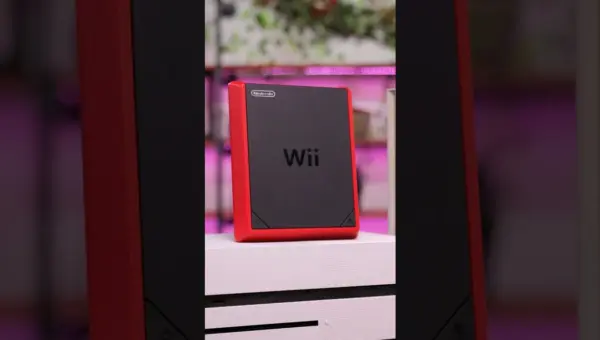
Nintendo's Wii Mini, Sony's pricey PSX, and Microsoft's Xbox One S All-Digital Edition represent some of the strangest console experiments. We break down their odd features, high costs, and place in gaming history.


Apple at 50: Hardware Shines, Software Stumbles
Apple is celebrating 50 years, with experts praising its hardware prowess but questioning its software direction. While custom chips and sleek designs define its hardware success, issues with usability and design choices in software raise concerns. The company's integrated ecosystem remains a financial powerhouse, but innovation may be hampered by a conservative approach.


Apple’s Hardware Dominance Reaches New Heights
Apple's hardware division is currently experiencing unparalleled success, largely driven by its in-house chip design. This focus on custom silicon has boosted performance across its product lines, especially Macs. The company is innovating across networking and display technologies, setting a high bar for competitors.