Hungary Votes: A Crossroads for Europe
Hungary is heading into a high-stakes election that could determine its future and impact Ukraine and Europe. Prime Minister Viktor Orban is expected to fight hard to stay in power amidst a deeply divided electorate. Observers are on the ground to cover the unfolding events and their significant geopolitical implications.


Hungary Votes: A Crossroads for Europe
As Hungary stands on the brink of what could be a historically significant election, the nation’s future, along with that of Ukraine and the broader European continent, hangs in the balance. Political analysts and observers anticipate a fierce contest, with incumbent Prime Minister Viktor Orban expected to employ every available tactic to retain power.
The election carries immense weight, not just for Hungary’s post-communist trajectory but also for its relationship with neighboring Ukraine and its role within the European Union. Developments in the final days leading up to election day, and in its immediate aftermath, remain fluid and subject to intense scrutiny.
This coverage aims to provide an in-depth look at the unfolding events from the ground, offering a clear picture of the political climate in a nation that shares a crucial border with Ukraine. The stakes are exceptionally high, touching upon national sovereignty, regional stability, and the fundamental direction of Hungarian foreign and domestic policy.
Deepening Divides and Shifting Alliances
The election campaign has been marked by stark ideological differences and a heightened sense of political urgency. The incumbent government, led by Prime Minister Orban, has consistently championed a nationalistic platform, emphasizing Hungarian sovereignty and challenging established EU norms. This approach has resonated with a significant portion of the electorate, solidifying Orban’s base of support.
Conversely, the opposition has coalesced around a platform promising change and a return to closer alignment with European democratic traditions. However, uniting disparate political factions under a single banner has presented a considerable challenge. The success of this coalition in mobilizing voters and presenting a credible alternative remains a key factor in the election’s outcome.
The campaign rhetoric has often focused on issues such as immigration, national identity, and economic policy. These themes tap into deeply held concerns among the Hungarian populace, shaping the debate and influencing voter choices. The intensity of the political discourse reflects the profound divisions within Hungarian society.
Geopolitical Implications: Ukraine and the EU
Hungary’s position relative to Ukraine is particularly critical, given the ongoing conflict and the broader security landscape in Eastern Europe. Budapest’s stance on issues such as military aid to Ukraine, sanctions against Russia, and energy security has significant implications for Kyiv and its Western allies. A continued alignment with Moscow, as some critics fear, could complicate efforts to support Ukraine and maintain a united front against Russian aggression.
Within the European Union, Hungary has often been at odds with Brussels over issues of rule of law, democratic backsliding, and judicial independence. The election outcome will likely influence the EU’s internal dynamics, potentially strengthening or weakening the bloc’s cohesion. Orban’s government has frequently used its veto power to block EU initiatives, creating friction and delaying important decisions.
The results will also send ripples across Eastern Europe, influencing regional cooperation and the broader balance of power. Neighboring countries, many of which host significant Hungarian minorities, will be closely watching the outcome. The election is thus a bellwether for the future direction of the region.
Historical Context: Navigating Post-Communist Transitions
Hungary’s journey since the fall of communism in 1989 has been complex. The transition from a one-party state to a multi-party democracy was marked by economic reforms, political liberalization, and a reorientation of foreign policy. The early years saw a struggle to establish stable democratic institutions and market-based economy.
The rise of Viktor Orban and his Fidesz party represents a significant chapter in this post-communist narrative. Orban first served as Prime Minister in the late 1990s before returning to power in 2010. His subsequent tenure has been characterized by a consolidation of power and a reshaping of the Hungarian political system, often drawing comparisons to illiberal democracies elsewhere in the world.
This election offers a potential turning point, either reinforcing the current political direction or initiating a new phase in Hungary’s democratic development. The choices made by Hungarian voters will echo far beyond the country’s borders, impacting its relationships with its neighbors and its standing on the international stage.
On the Ground: Observing the Electoral Process
Reporting from the ground, particularly in border regions like Chop in Zakarpatia, provides a unique vantage point. This area, with its mixed ethnic population and proximity to Hungary, offers insights into the cross-border influences and local concerns that shape the electoral debate. The presence of Hungarian communities in western Ukraine adds another layer of complexity to the geopolitical dynamics at play.
The coming days will involve close observation of campaign activities, voter sentiment, and any potential irregularities in the electoral process. Understanding the nuances of Hungarian politics requires a direct engagement with the people and the issues that matter most to them. This direct reporting aims to cut through the noise and provide a clear assessment of the situation.
The focus remains on delivering accurate and timely information from this critical juncture. The electoral process in Hungary is not merely a domestic affair; it is a development with far-reaching consequences for European security and stability. The eyes of the world will be on Hungary as its citizens cast their votes.
The election results are expected to be announced following the close of polls, with analysts and the public alike awaiting the final tally to understand the mandate given by the Hungarian people.
Source: On the ground ahead of Hungary’s high-stakes elections (YouTube)

Related Articles

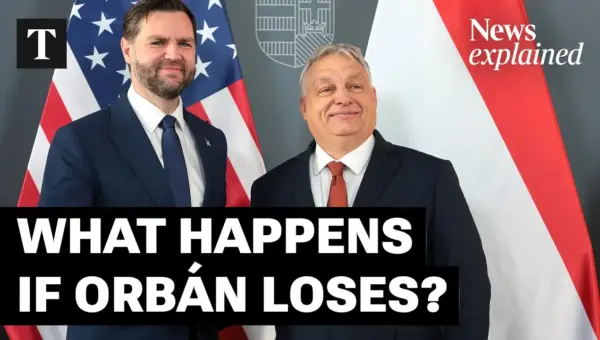
Trump Allies Back Hungarian Leader Orban Ahead of Vote
Hungary's general election on Sunday features Viktor Orban facing a strong challenge from Peter Magyar. Allies of former US President Trump, like JD Vance, are actively supporting Orban's nationalist agenda. A win for Orban could mean continued friction with the EU, while a Magyar victory might shift Hungary back towards closer European ties.

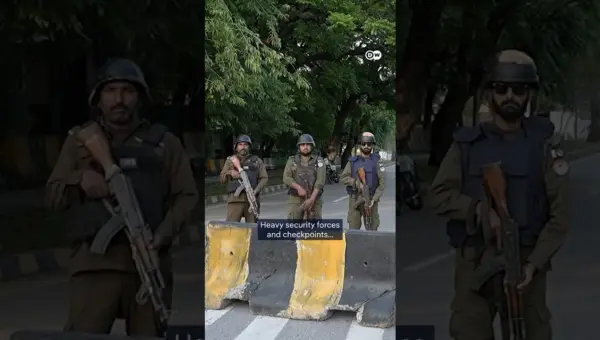
Islamabad Locks Down for High-Stakes US-Iran Ceasefire Talks
Islamabad is under lockdown as the US and Iran hold critical ceasefire talks this weekend. Pakistan is mediating the high-stakes discussions, aiming to de-escalate regional tensions. The negotiations focus on issues like the Strait of Hormuz and Israeli attacks on Lebanon, with the world watching for a meaningful outcome.
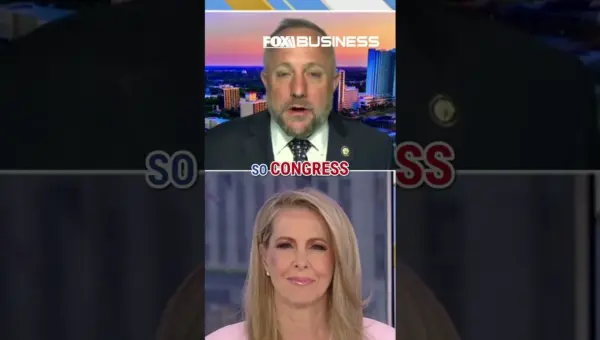
GOP Rep Slams Democrats Over Iran War Powers Vote Tactics
House Republicans blocked a Democratic attempt to vote on limiting U.S. military action in Iran. Democrats are seeking Republican support for a war powers resolution. A GOP Congressman criticized the move as politically motivated interference with presidential authority.