China Aids Iran With Spy Satellite Data
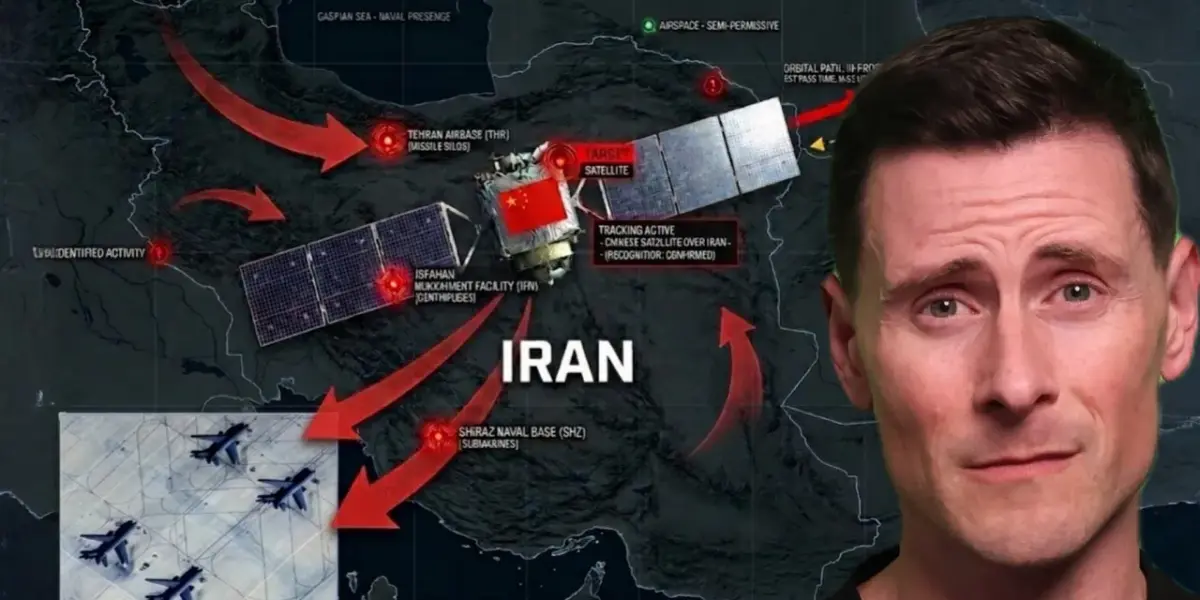
China has reportedly provided Iran with high-resolution satellite imagery from the TE01B satellite, enhancing Iran's targeting capabilities against U.S. forces. This comes as the U.S. maintains a naval blockade to pressure Iran into nuclear concessions.

China Aids Iran With Spy Satellite Data
New evidence suggests China has secretly provided Iran with high-resolution satellite imagery. This capability allows Iran to target U.S. military bases and assets more effectively. The information comes from leaked Iranian military documents investigated by the Financial Times.
The satellite, known as TE01B, was launched from China and acquired by Iran’s Islamic Revolutionary Guard Corps (IRGC) Aerospace Force in late 2024. This transfer significantly enhances Iran’s intelligence gathering and targeting precision, particularly concerning U.S. forces in the Middle East.
U.S. Pressure on Iran Continues
The developments occur amid ongoing tensions between the U.S. and Iran. President Trump stated that the Strait of Hormuz is open for general business but maintained a naval blockade specifically targeting Iran. This blockade is designed to cripple Iran’s economy and force concessions.
Back-channel talks are reportedly underway in Islamabad, with President Trump claiming Iran has agreed to major nuclear steps. These include returning enriched uranium and abandoning nuclear weapons ambitions. U.S. military officials emphasize that the blockade will remain until these agreements are fully met.
Iran’s Rhetoric and Capabilities
Despite U.S. pressure, Iranian officials have issued strong warnings. They claim to be ready for a severe response to any violations and assert control over the Strait of Hormuz. However, the crippling economic impact of the U.S. naval blockade is evident.
The IRGC has rejected temporary pauses in negotiations, seeking a full regional peace deal. They aim to avoid further conflict while maintaining a state of high alert. Reports suggest Iran may also be seeking advanced radar systems from China, such as the YELC8D, which could detect low-flying threats and challenge advanced aircraft.
Strategic Implications of Chinese Support
The provision of satellite imagery by China is a critical development. It directly aids Iran’s ballistic missile and drone programs, enhancing their accuracy. This support challenges China’s claims of its commercial space sector being purely civilian, as the satellite is operated by the IRGC’s military wing.
This cooperation echoes past instances, like China’s Changgang satellite technology providing imagery to Houthi rebels for targeting ships in the Red Sea. Such actions suggest a broader pattern of China supporting Iran and its allies, potentially escalating regional proxy conflicts.
Military Response and Future Scenarios
The U.S. Navy’s Arleigh Burke-class destroyers and carrier strike groups are central to enforcing the blockade. These platforms provide air and missile defense, along with offensive strike capabilities. Their presence aims to compel Iran to meet U.S. demands.
If conflict were to reignite, U.S. forces are prepared for extensive operations. The F-22, F-15E, and F-16 fighter jets would likely lead suppression of enemy air defenses missions. This would involve neutralizing Iranian radar and missile systems, potentially before striking energy infrastructure tied to the IRGC.
Escalation Risks
The involvement of Chinese technology, particularly advanced radar systems, could significantly complicate U.S. military operations. Detecting and countering these systems would require dedicated efforts, potentially leading to a more intense conflict than previously seen.
Ultimately, the U.S. strategy relies on overwhelming military and economic pressure. This approach aims to force Iran to accept U.S. terms, potentially leading to a less radicalized regime willing to negotiate. The situation remains fluid, with the effectiveness of the blockade and diplomatic efforts still being tested.
Source: China Just Got Caught Doing Something HUGE To Help Iran's Mullahs (YouTube)

Related Articles


Trump’s Hormuz Deal: Capitulation or Diplomacy?
Reports suggest a recent deal involving Donald Trump and Iran regarding the Strait of Hormuz has effectively given Iran significant control over the vital waterway. Critics argue this represents a major concession, while supporters claim it's a diplomatic achievement.


Iran Demands $100 Billion in Frozen Assets
Iran is demanding the release of an estimated $100 billion in state-owned assets frozen globally, a key point expected in potential US-Iran peace talks. These funds, held in countries like China, India, Iraq, and Qatar, are restricted by sanctions and court rulings. A similar asset release occurred in 2015 as part of the nuclear deal.

Trump Declares Strait of Hormuz Open, Iran Says Blockade Continues
President Donald Trump announced the Strait of Hormuz is "fully open" following a reported Israel-Lebanon ceasefire. Iran confirmed the strait is "completely open" but stated the U.S. blockade will remain in effect. This mixed messaging highlights ongoing regional tensions and their impact on global trade.