Ukraine Strikes Russian Oil Hubs, Weakening War Machine
Ukraine is intensifying its strikes on Russian oil and gas infrastructure, aiming to cripple Moscow's war financing. Despite Russian threats and some international concerns over energy prices, Kyiv maintains that continued pressure is crucial. Ukraine's drone technology is also gaining international attention, potentially opening new avenues for support.

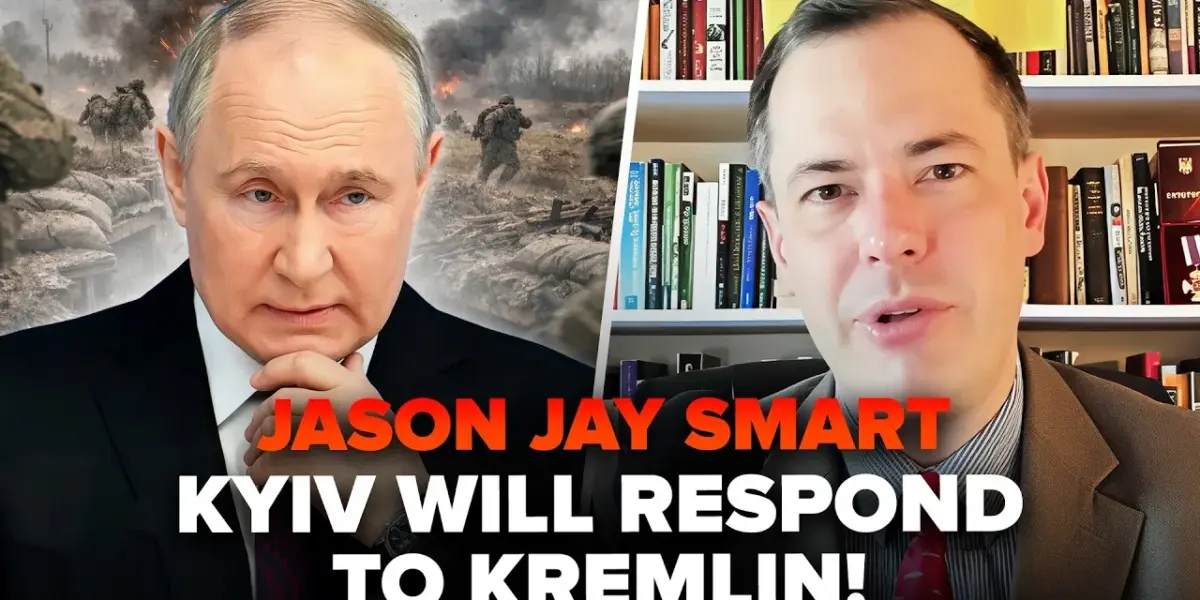
Ukraine Intensifies Strikes on Russian Energy Infrastructure
Ukraine is pressing its campaign against Russia’s oil and gas export facilities, a strategy designed to cripple Moscow’s ability to fund its war effort. Recent attacks have taken offline more than 40% of Russia’s oil exports in just one week. This aggressive approach aims to put severe economic and political pressure on the Putin regime, potentially hastening its downfall.
The Ukrainian strategy focuses on hitting key energy infrastructure nodes that are difficult to replace. This targeted approach is intended to inflict maximum damage on Russia’s economy. Officials believe these strikes are essential for weakening Russia’s capacity to continue the conflict.
Russia Faces Economic Strain from Ukrainian Attacks
Russia is reportedly experiencing significant economic hardship due to the ongoing Ukrainian strikes on its energy sector. Federal deficits are growing, and the government struggles to balance its budget for essential services. Pensions are only partially funded, and deep cuts are being made to public services like healthcare and law enforcement.
The country’s vital rail service is also suffering, with thousands of employees being laid off because the government cannot afford to pay them. These economic pressures indicate that Ukraine’s strategy is effectively damaging Russia’s ability to sustain its military operations. The goal is not just to wound Russia but to break its economic foundations.
Kyiv Rejects Negotiation Terms, Sees Battlefield Advantage
Ukraine’s leadership has signaled a strong reluctance to negotiate with Russia under current conditions. They view Russia’s unwillingness to compromise and its past actions of aggression as unacceptable. Ukraine believes it holds a significant advantage on the battlefield, with its own losses being minimal compared to Russia’s escalating casualties.
Recent data suggests Russia’s battlefield losses have surged dramatically in recent weeks. For Ukraine to stop fighting now, when Russia is demonstrably losing and struggling to afford the war, would be irrational. The current strategy is to continue applying pressure until Russia is economically and militarily exhausted.
Ukraine’s Drone Technology Gains International Traction
Ukraine’s advancements in drone technology and its battlefield experience are attracting significant international interest. Military experts from Ukraine are reportedly working in regions like the Middle East, particularly in the context of truces involving Iran. This engagement could open doors for new regional partnerships that might offer support to Ukraine’s war effort.
President Zelenskyy’s recent discussions with OPEC+ nations, countries heavily involved in the oil industry, are seen as strategically important. Ukraine’s potential role in regional stability and its growing technological expertise could lead to beneficial alliances. These developments suggest a positive outlook for Ukraine’s future international relations and its ability to secure support.
Russia’s Threats Over Foreign Aerospace Use Dismissed
Russia has issued warnings that it will retaliate if Ukraine uses foreign airspace for strikes. However, these threats are largely dismissed by analysts, who point out Russia’s own routine violations of European airspace with drones. The international community is urged not to be intimidated by Russia’s pronouncements, viewing the country as a weakened power.
Russia’s actions, including flying drones over NATO countries, are seen as attempts to exert influence. Ukraine’s allies are encouraged to stand firm and not concede to Russian demands. The consensus is that Russia should be reminded of its diminished global standing and its inability to dictate terms to Europe or the wider world.
Broader Escalation Risks and NATO’s Role
While some experts warn of potential Russian provocations in the Baltic states, the risk of broader escalation involving NATO is considered manageable. Russia might attempt limited incursions into NATO territory, such as Lithuania, to test the alliance’s response. However, such actions are seen as unlikely to result in a significant NATO counter-attack.
The potential for Russia to launch a swift, limited strike and withdraw before NATO can effectively mobilize is a concern. Yet, even such an event could be turned into a strategic advantage. A scenario where a Russian force is quickly destroyed on NATO territory could severely damage Putin’s war narrative and accelerate the downfall of his regime.
Allies Urged to Maintain Pressure on Russia’s Energy Sector
Ukraine’s allies are advised to support its continued strikes on Russia’s oil sector, despite concerns about global energy prices. While stabilizing markets is important, allowing Russia to continue financing its war effort is seen as more detrimental. Ukraine has little to lose by maintaining this pressure, and countries complaining the most are often those not providing significant aid.
The United States, in particular, has been criticized for reducing support and involving itself in peace talks. Some suggest that if Europe is expected to secure peace, European nations should lead the negotiations. This approach could ensure that Ukraine’s interests are prioritized and that pressure on Russia’s war funding remains consistent.
Source: ⚡️Urgent statement Zelenskyy's office. Negotiations update. Everything will take place within a week (YouTube)

Related Articles

Iran Deal Boosts Markets, Oil Prices Drop
President Trump's announcement of progress in Iran has spurred a global market rally, with oil prices falling significantly. Initial earnings reports show strong corporate growth, and analysts believe there is further upside potential for the market. The U.S. is also focusing on energy independence, which could boost national revenue.
Trump Claims Iran War Is Ending, Cites Military Might
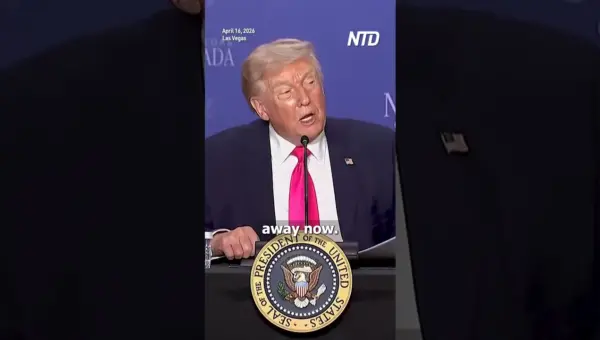
Former President Donald Trump stated that the conflict in Iran is progressing well and should end soon. He attributed this to the strength of the U.S. military and his past economic policies. Trump believes his actions have created successful deterrence in the region.

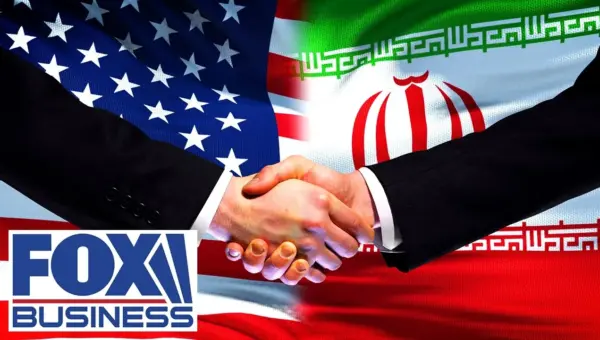
Middle East Peace Deal Sends Oil Down, Dow Up
Signs of peace in the Middle East have sent oil prices tumbling to $82 a barrel and boosted the Dow Jones Industrial Average by hundreds of points. This market shift follows intensified diplomatic efforts, driven partly by Iran's severe economic struggles. The potential for a nuclear material recovery deal and a new U.S. foreign policy approach are key developments.