Iran Deal Boosts Markets, Oil Prices Drop
President Trump's announcement of progress in Iran has spurred a global market rally, with oil prices falling significantly. Initial earnings reports show strong corporate growth, and analysts believe there is further upside potential for the market. The U.S. is also focusing on energy independence, which could boost national revenue.

Iran Ceasefire Sparks Global Market Rally
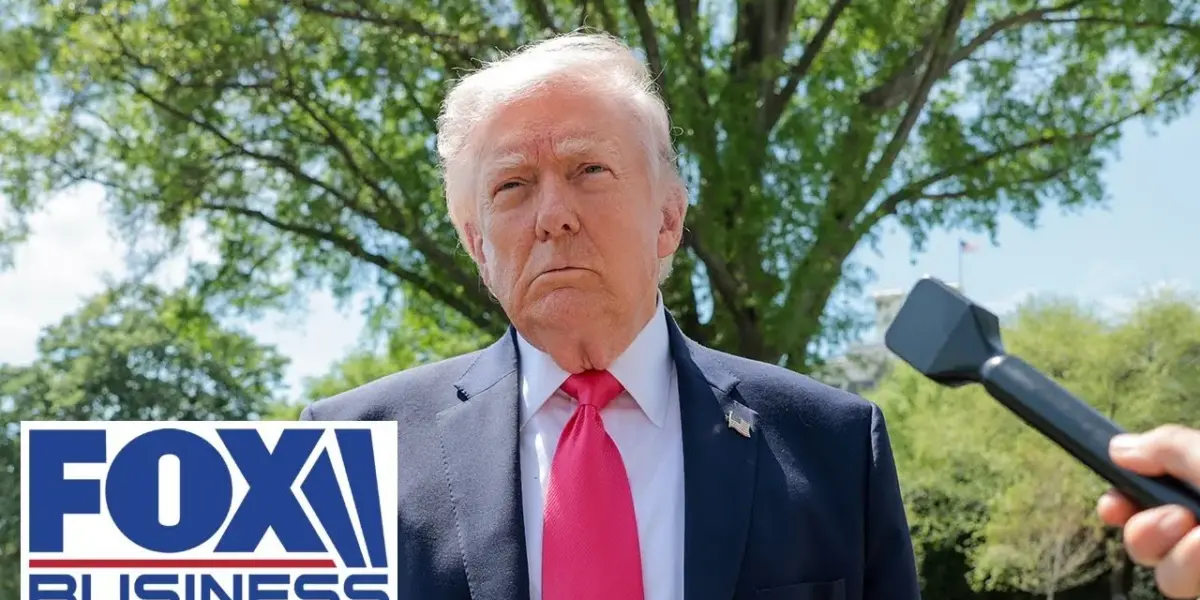
President Trump announced that the conflict in Iran is nearing an end, stating, “We can do whatever we want.” This declaration, coupled with Iran’s announcement that the Strait of Hormuz is fully open for the remainder of a ceasefire, has sent global markets higher and oil prices lower. The news comes as a U.S.-brokered ceasefire between Lebanon and Israel appears to be holding, though a blockade remains in place.
Negotiations Advance Toward a Lasting Deal
Iran is reportedly willing to make a deal, with a key condition being no nuclear weapons. “They’re willing to do things today that they weren’t willing to do two months ago,” one source noted.
In-person negotiations are expected possibly over the weekend. This development suggests a potential shift in geopolitical tensions that could have significant economic implications.
Market Reaction and Investor Sentiment
While markets have rallied, some analysts believe the upside could be greater. “I’m surprised it’s not bigger,” one commentator stated.
The current market movement is seen as a recovery, not a bear market, with a V-shaped rebound suggesting a return to new highs. This sentiment is supported by early earnings reports, which show strong sales and earnings growth.
Key Economic Indicators Show Strength
Initial earnings reports from S&P 500 companies reveal impressive figures. Out of 44 companies reporting, sales growth is up nearly 13% year-over-year, and earnings growth has surged by 30% year-over-year.
While these numbers are expected to adjust as more companies report, they provide a positive outlook for corporate performance in the coming months. This growth suggests companies are finding ways to expand profits, potentially through increased efficiency and margin expansion.
Oil Prices and Corporate Earnings
The decrease in oil prices is expected to benefit corporate earnings across various sectors. Lower energy costs can lead to improved profit margins for businesses and potentially lower prices for consumers. This effect is anticipated to impact corporate earnings for the next 6 to 18 months, possibly more significantly than currently predicted.
Geopolitical Strategy and Long-Term Implications
The administration’s approach emphasizes an “America First” strategy, suggesting less reliance on European and NATO involvement in critical areas like the Strait of Hormuz. While short-term operational independence is prioritized, a long-term U.S. role in reshaping regional systems is considered. This strategy aims to foster greater energy independence for the U.S., potentially turning the nation into a significant energy exporter and generating substantial revenue.
What Investors Should Know
- Market Momentum: The current market rally, driven by positive news from Iran, may have more room to grow.
- Oversold Conditions: Many stocks were previously oversold, creating an opportunity for recovery.
- Earnings Growth: Strong early earnings reports suggest underlying corporate strength.
- Lower Oil Prices: Decreasing oil prices are a positive indicator for corporate profitability and consumer spending.
- Energy Independence: The U.S. is positioning itself as a key energy provider, which could create new revenue streams.
Concerns and Future Outlook
Despite positive developments, some concerns remain. The status of Iran’s uranium enrichment, specifically enriched to 60%, is a point of focus, as it is a short step away from weapons-grade material. While this slows down Iran’s nuclear program, a complete resolution would involve securing all uranium and establishing a new, non-weaponizing regime.
The market’s breadth, with fewer stocks trading above their 200-day moving average despite record highs, is also an area to watch. Analysts view this as a recovery, not a bear market, and any retest of lows could present a buying opportunity.
Upcoming Economic Data
Investors will be closely watching upcoming earnings reports and economic data over the next two weeks for further confirmation of the market’s direction. The Federal Reserve has indicated that the recent oil price spike has not significantly impacted core inflation rates, suggesting a potentially quick economic recovery.
Source: 'WHATEVER WE WANT': Trump DROPS major update that lifts global markets (YouTube)

Related Articles

Trump Claims Iran War Is Ending, Cites Military Might
Former President Donald Trump stated that the conflict in Iran is progressing well and should end soon. He attributed this to the strength of the U.S. military and his past economic policies. Trump believes his actions have created successful deterrence in the region.


China Aids Iran With Spy Satellite Data
China has reportedly provided Iran with high-resolution satellite imagery from the TE01B satellite, enhancing Iran's targeting capabilities against U.S. forces. This comes as the U.S. maintains a naval blockade to pressure Iran into nuclear concessions.


Middle East Peace Deal Sends Oil Down, Dow Up
Signs of peace in the Middle East have sent oil prices tumbling to $82 a barrel and boosted the Dow Jones Industrial Average by hundreds of points. This market shift follows intensified diplomatic efforts, driven partly by Iran's severe economic struggles. The potential for a nuclear material recovery deal and a new U.S. foreign policy approach are key developments.