Brock Purdy, C.J. Stroud Shine in Rookie QB Ranks
Analyzing rookie quarterback performances since 2016 reveals a wide spectrum of success. Brock Purdy and C.J. Stroud stand out as elite performers, while Jaden Daniels makes a case for the greatest rookie season ever. Team support plays a role, but these top QBs proved ready to lead.

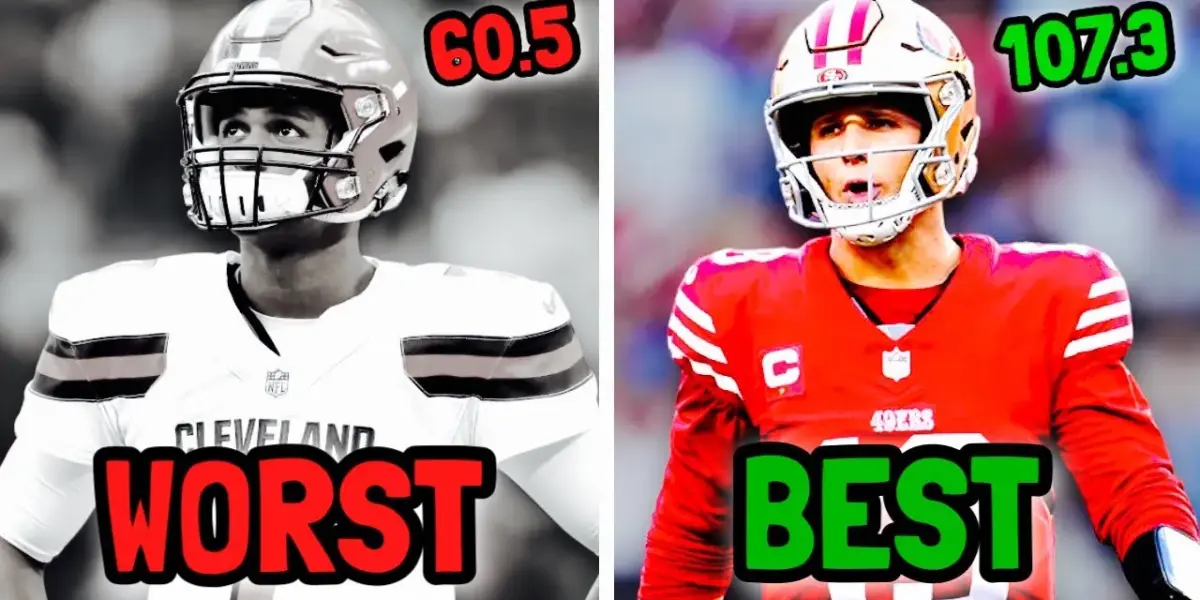
Brock Purdy, C.J. Stroud Shine in Rookie QB Ranks
The NFL’s journey through rookie quarterbacks since 2016 has been a wild ride. From instant stars to historic struggles, the data reveals a wide spectrum of performances. This deep dive into 43 quarterbacks with at least 150 pass attempts shows that while team support matters, some players are simply ready to lead from day one.
Looking back at 2016, the class was a mix of hits and misses. Jared Goff and Carson Wentz were top picks, but it was fourth-rounder Dak Prescott who surprised everyone. Prescott, alongside Ezekiel Elliott, turned the Dallas Cowboys into a regular-season powerhouse.
Meanwhile, Goff struggled, and Wentz was just okay. Paxton Lynch showed he wasn’t ready, and Connor Cook’s playoff start was a turnover-filled disaster. Jacque Brissett stepped in surprisingly well for New England, and Cody Kessler showed decent efficiency on a bad Browns team.
2017: Watson Shines, Others Struggle
The 2017 class had one standout in Deshaun Watson. He looked like a future star, putting up huge numbers before an injury. Mitch Trubisky, the second overall pick, had a mediocre year.
Patrick Mahomes barely played, sitting behind Alex Smith. The class also featured infamous struggles from Deshaun Kizer, C.J. Beathard, and Nathan Peterman, whose five-interception debut became a lasting mark on his career.
2018: Mayfield Sets Records, Jackson Runs Wild
2018 was a highly anticipated class with mixed results. Baker Mayfield lived up to the hype in Cleveland, setting a rookie record for touchdown passes. Lamar Jackson, while inconsistent passing, used his elite running ability to lead the Ravens to a 6-1 record in his starts.
Sam Darnold had an average rookie season. The two Joshs, Allen and Rosen, struggled mightily with more interceptions than touchdowns, though Allen showed flashes of potential with his arm and running.
2019-2020: Murray’s Promise, Herbert’s Dominance
Kyler Murray, the number one pick in 2019, showed major promise and won Rookie of the Year. Daniel Jones surprised many with a solid touchdown-to-interception ratio despite team struggles. Gardner Minshew and Drew Lock emerged as pleasant surprises later in the draft.
The 2020 class saw Justin Herbert set a new rookie record for touchdown passes with 31. Joe Burrow showed why he was the top pick, throwing for over 300 yards in three straight games before an injury. Tua Tagovailoa was solid but underwhelming, leading to questions about why Miami didn’t draft Herbert.
2021-2022: A Tough Transition
The 2021 class, despite five quarterbacks taken in the top 15, had a rough collective rookie year. Trevor Lawrence battled through a disastrous Urban Meyer situation.
Zach Wilson and Justin Fields also struggled on struggling teams. Mac Jones performed decently, leading the Patriots to the playoffs, and Davis Mills was a pleasant surprise on a bad Texans team.
2022 featured a less talented draft class, and the rookie seasons were unpredictable. Kenny Pickett was hit-or-miss but showed late-season promise. Desmond Ridder showed game-manager potential.
Malik Willis looked lost, and Bailey Zappe provided a fun spark. The biggest surprise was Brock Purdy, who led the 49ers to the NFC Championship game with an incredible late-season run.
2023-2024: Stroud’s Rise, Daniels’ Impact
Bryce Young struggled in Carolina in 2023, while C.J. Stroud became one of the greatest rookie quarterbacks ever, revitalizing the Texans and winning a playoff game. Anthony Richardson flashed potential before a season-ending injury.
Will Levis had a stellar debut but was mostly mediocre afterward. In 2024, Jaden Daniels arguably had one of the greatest rookie seasons ever, leading Washington to the NFC Championship game with elite dual-threat play. Caleb Williams showed flashes, and Drake Maye showed promise.
Rookie QB Tiers: From Busts to Elites
Analyzing all 43 rookie quarterbacks by passer rating reveals distinct tiers. In the ‘Bad’ tier (below 70 passer rating), seven quarterbacks landed here, often due to turnovers and poor decision-making.
Deshaun Kizer is a prime example, thrown into a losing situation with the Browns. Interestingly, Josh Allen and Jared Goff, who were once in this tier, developed into excellent NFL quarterbacks.
The ‘Below Average’ tier includes 11 quarterbacks. While many faced tough circumstances, like Trevor Lawrence under Urban Meyer, their rookie years were concerning. Some teams, like the Saints with Spencer Rattler, quickly looked for replacements.
Ten quarterbacks fall into the ‘Average’ tier (83-85 passer rating). Lamar Jackson is a standout here, showing elite rushing ability despite starting only eight games. This tier shows the wide range of outcomes, from future MVPs to career backups.
Nine quarterbacks make up the ‘Very Good’ tier. Baker Mayfield’s rookie year was a revelation after years of Browns struggles, setting rookie records.
However, this tier also includes players like Mac Jones and Gardner Minshew, who largely became career backups. Joe Burrow, who elevated his play significantly in his second year, is the top performer from this group.
The Elite: Herbert, Stroud, Watson, Prescott, Purdy
Six quarterbacks achieved ‘Elite’ status in their rookie seasons. Justin Herbert dominated immediately, throwing for over 30 touchdowns. Jaden Daniels’ dual-threat ability and leadership led Washington to the NFC Championship, making a strong case for the best rookie season ever.
C.J. Stroud’s veteran-like presence and efficiency revitalized Houston, leading the league in yards per game.
Deshaun Watson, though his rookie season was cut short by injury, showed otherworldly potential with multiple five-touchdown games. Dak Prescott was a massive surprise, leading Dallas to top-contender status with the highest rookie passer rating for a full season.
Perhaps the biggest surprise was seventh-round pick Brock Purdy. Thrust into action late, he went 6-0 in his starts with elite efficiency, leading the 49ers on a deep playoff run before an injury.
Situation Matters, But Talent Shines
A closer look at the top and bottom five quarterbacks highlights the impact of team support. The bottom five often had terrible offensive lines, weak run games, and limited receiving threats.
Josh Rosen and Jared Goff faced particularly rough situations. Josh Allen, while raw, showed immense potential despite a less-than-ideal supporting cast.
The top five, however, often had exceptional support. Brock Purdy had an elite supporting cast with multiple Pro Bowl-caliber receivers and a top defense, making his job easier. Dak Prescott also benefited from a strong offensive line, run game, and defense.
Deshaun Watson, despite a poor supporting cast, showed incredible playmaking ability. C.J.
Stroud’s leadership shone through with an emerging group of receivers and a first-time head coach. Jaden Daniels stands out as a prime example of a player carrying his team, leading the rushing attack and performing exceptionally well with average weapons.
Ultimately, a player’s situation plays a significant role in their rookie success. However, true playmakers can overcome challenging circumstances.
Dual-threat quarterbacks, like Jaden Daniels, have an advantage, using their running ability to open up the offense and keep defenses off balance. This ability, combined with his leadership, makes Daniels a strong contender for the greatest rookie quarterback season ever witnessed.
Source: Best & Worst Rookie QB’s (Since 2016) (YouTube)

Related Articles
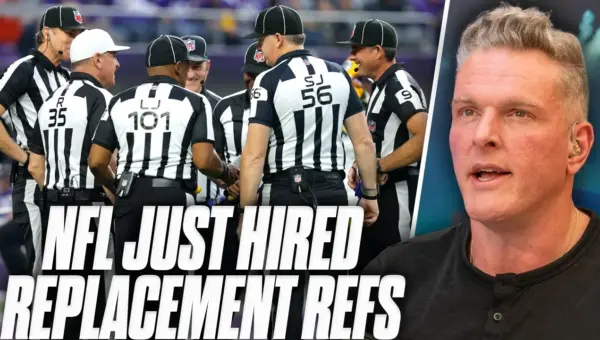
NFL Trains Replacement Refs to Avoid 2012 Meltdown
The NFL is reportedly training replacement officials to prevent a repeat of the 2012 season's referee controversy. As contract talks with current officials remain tense, the league is working to ensure temporary referees are better prepared, though concerns about experience and quality persist.


Reporter Resigns After Photos With Patriots Coach Emerge
Veteran NFL reporter Diana Russini has resigned from The Athletic following the release of photos showing her with New England Patriots head coach Bill Belichick. Both have denied any wrongdoing, attributing the images to speculation taken out of context. Russini cited the media frenzy as her reason for stepping down.

Shannon Sharpe’s Urinal Choice Sparks Heated Debate
Shannon Sharpe's preference for a specific urinal sparked a passionate and humorous debate with co-host Brandon Marshall on Club Shay Shay. Marshall declared he would 'R. Kelly' Sharpe's leg if he found him at 'his' urinal.