Trump Tariffs Fueled Inflation, Fed Report Reveals
A Federal Reserve report indicates that former President Trump's tariffs are directly responsible for current inflation. Economists found that without these tariffs, prices would have returned to pre-pandemic levels. This analysis links specific trade policies to the financial strain on American households.


Trump Tariffs Fueled Inflation, Fed Report Reveals
A new report from Federal Reserve economists suggests a direct link between former President Donald Trump’s tariffs and the high prices Americans are currently facing. The study, which analyzed extensive data, concluded that without these tariffs, prices in the United States would have returned to pre-pandemic levels.
This research indicates that the tariffs, implemented as part of a trade war, are responsible for all the price increases that are financially straining households. The economists found that as of February 2026, the tariffs alone could explain the entire excess inflation seen in core goods since January 2025. Their estimates show that the impact of these tariffs on prices builds up over time, leading to full price pass-through to consumers.
The Economic Impact of Trade Policy
The findings suggest a significant economic consequence of the Trump administration’s trade policies. The Federal Reserve economists’ work points to a clear connection between these tariffs and consumer costs. Without the price hikes caused by the tariffs, the report states that price increases for everyday goods would have fallen below the trend seen before the pandemic began.
This report, coming from economists within the Federal Reserve system, offers a critical perspective on the economic challenges many Americans are experiencing. It suggests that policies enacted by the previous administration have had a lasting and substantial effect on the cost of living.
Political Ramifications and Public Opinion
The timing of this report is significant, especially with mid-term elections approaching. The economy and the rising cost of goods are consistently cited as the top concerns for voters. This Federal Reserve analysis provides a concrete piece of evidence that could be used by political groups to highlight the economic impact of specific past policies.
Supporters of this view argue that political campaigns should focus on these findings to inform voters about the drivers of current inflation. They believe that connecting voters’ financial pain directly to the effects of these tariffs is crucial for electoral success. The report offers a clear narrative: that actions taken previously have contributed to current economic hardships.
Historical Context of Tariffs
Tariffs, taxes on imported goods, have a long history in economic policy. They are often used to protect domestic industries from foreign competition or to generate revenue. However, economists have long debated their overall effect on national economies.
Critics often argue that tariffs can lead to higher prices for consumers, as importers pass on the cost of the tariffs. They can also lead to retaliatory tariffs from other countries, harming export industries. Supporters, however, may argue that tariffs can help boost domestic manufacturing and create jobs within the country.
Why This Matters
This Federal Reserve report matters because it offers a data-driven explanation for a major economic concern for millions of people. It directly links inflation, a primary worry for voters, to specific policy decisions. The report provides a clear point of focus for discussions about economic policy and its real-world consequences.
Understanding the causes of inflation is vital for informed public debate and for voters making decisions. This analysis from the Federal Reserve offers a specific reason behind the price surges, moving beyond general economic trends. It highlights how trade policy can have significant and long-lasting effects on household budgets.
Future Outlook and Trends
The implications of this report could influence future trade policy discussions. It provides evidence that the economic costs of tariffs can be substantial and persistent. Policymakers may need to carefully consider such impacts when debating trade agreements or implementing new tariffs.
As consumers continue to feel the pinch of higher prices, understanding the root causes becomes increasingly important. This report suggests that past decisions have played a significant role, and its findings will likely be a talking point in economic and political discussions moving forward.
The Federal Reserve economists’ report, detailing the impact of tariffs on inflation, was made available in February 2026, with its findings continuing to shape economic analysis and public discourse.
Source: Trump Tariffs BLAMED For Price Surge (YouTube)

Related Articles

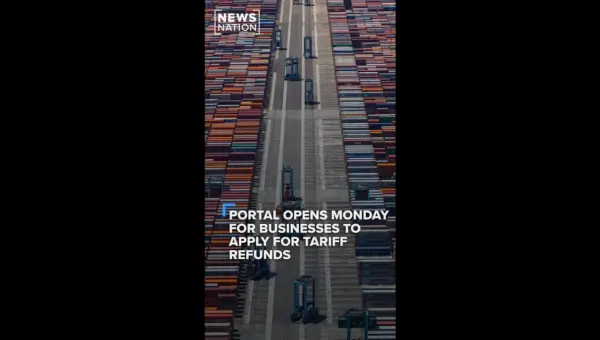
Billions in Tariffs to Be Refunded to Businesses Soon
Businesses and customs brokers who paid certain tariffs under the Trump administration may soon receive refunds totaling billions of dollars. A new portal managed by Customs and Border Patrol will allow eligible entities to claim their money, though the process will require opting in and could take up to 90 days.


Influencer’s Putin Warning Rattles Kremlin
Russian social media influencer Victoria Bona's video warning about public discontent and economic hardship has drawn an unusual public response from the Kremlin. The video, viewed over 20 million times, highlights inflation and fear among ordinary citizens. The government's reaction suggests these issues have moved beyond politics into mainstream conversation.

Boxer Slams Trump’s ‘Corner Store’ Remark as Out of Touch
Former Senator Barbara Boxer criticized Donald Trump's "corner store" comment as out of touch, highlighting voter concerns amid the Strait of Hormuz reopening. Analysts debate whether the administration's touting of the strait's opening is a true victory or a resolution to a self-created crisis. Economic anxieties and voter enthusiasm remain critical factors in the upcoming elections.