Artemis III’s Moon Landing Faces Tight Schedule
The Artemis III mission, aiming to land humans on the Moon, faces a challenging timeline. Key uncertainties include the readiness of Human Landing Systems from SpaceX and Blue Origin, and the assembly schedule for the Space Launch System rocket. While uncrewed lunar missions continue, the path to a human lunar landing remains complex.

Artemis III’s Moon Landing Faces Tight Schedule
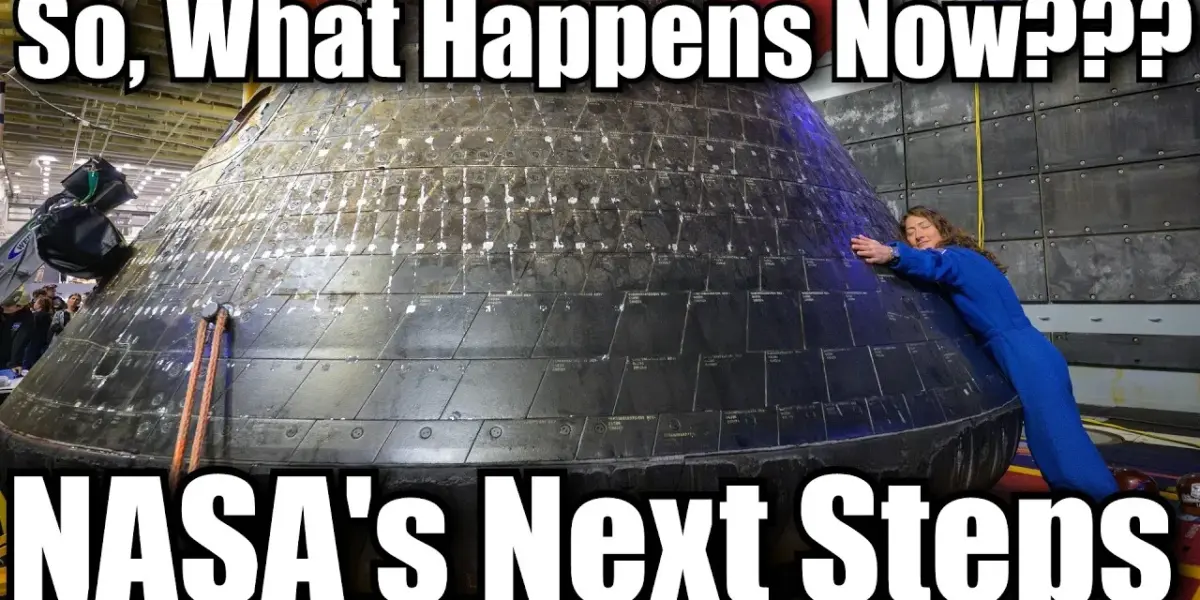
NASA’s Artemis program is pushing forward with ambitious plans, but the timeline for its next crewed mission, Artemis III, is facing significant challenges. The successful return of the Artemis II crew from their lunar orbit mission this past week proved the Orion spacecraft’s capability for deep space travel. This success sets the stage for future Artemis flights, with a strong focus on landing humans back on the Moon.
The Race to the Lunar Surface
The primary goal for NASA and its partners is to launch Artemis III, the mission intended to land astronauts on the Moon, as early as next year. However, before that, several uncrewed missions are expected to deliver payloads to the lunar surface. These missions are part of NASA’s Commercial Lunar Payload Services (CLPS) initiative, aiming to advance lunar science and exploration.
Human Landing System Uncertainty
A major hurdle for Artemis III is the readiness of the Human Landing Systems (HLS). SpaceX and Blue Origin are the key players developing these crucial components.
The plan requires Artemis III to launch into Earth orbit and rendezvous with an HLS prototype to test its capabilities, including life support and control systems. Currently, it remains uncertain if either company’s HLS prototype will be capable of reaching orbit and performing these necessary tests by the target launch date.
Key HLS Development Milestones
Both SpaceX and Blue Origin are in a race against time to finalize their landers. SpaceX’s Starship, intended for lunar missions, has only been seen in renderings and mock-ups, with no visible progress on a lunar-capable version at their Starbase facility.
Blue Origin has yet to test its Mark I Blue Moon lander, let alone the larger Mark II designed for human missions. While the Mark I is slated for a CLPS mission, its success is not yet guaranteed.
A Glimmer of Hope for 2027
Despite the challenges, there’s a possibility that a 2027 landing goal might be achievable. Neither of the proposed spacecraft needs to travel to the Moon for these initial tests, reducing the complexity and the need for extensive refueling flights. Both companies have publicly committed to lunar missions and are reportedly working on solutions to expedite development.
New Spacesuits for the Mission
Another critical element for Artemis III is the development of new lunar spacesuits by Axiom Space. Axiom hopes to test its suits next year, potentially on the International Space Station for initial EVA testing. However, having them ready for Artemis III would allow for crucial in-space testing within the actual spacecraft designed for lunar descent.
SLS Rocket Readiness
The Space Launch System (SLS) rocket, along with the Orion spacecraft, has historically been a bottleneck for Artemis flights. While upgrades were made to the launchpad after the last mission, it’s unclear if the previous repairs will be sufficient.
Booster segments for the SLS rocket are already being transported, but the core stage, which represents about 80% of the rocket, is still undergoing assembly. The engines for the core stage are expected to arrive at Kennedy Space Center by July, with integration and testing to follow, a compressed timeline compared to previous flights.
Upper Stage Questions
The mission’s specific configuration for Artemis III is also evolving. A change from a lunar landing mission to an Earth orbit mission might mean the interim cryogenic propulsion stage (ICPS), the SLS rocket’s upper stage, may not be needed. This could allow NASA to save the stage for future missions.
However, this decision depends on the final mission profile and the readiness of the HLS providers. The ICPS is essentially a modified Delta IV upper stage, and production for it has ceased, meaning a replacement or the use of a structural test article would be necessary if a different upper stage is required.
Orion and Service Module Status
The Orion spacecraft is already at Kennedy Space Center, having been prepared for a later launch date. Its European Service Module is also ready for integration.
The launch abort system is expected to be ready without issue. The stacking process for Artemis II took 11 months, and a similar or faster pace will be needed for Artemis III.
Crew Selection and Training
By the summer, when stacking of the SLS core and boosters is expected to begin, NASA will need to have selected the crew for Artemis III. This crew will require extensive training on Orion, SLS operations, and specific skills for flying the Starship or Blue Moon landers. Astronauts assigned to work with the HLS partners will likely need to be embedded with SpaceX or Blue Origin soon to ensure mission readiness.
Uncrewed CLPS Missions Continue
While Artemis III’s timeline is uncertain, several uncrewed CLPS missions are scheduled. These include Blue Origin’s Blue Moon Mark I, Intuitive Machines’ third flight, Astrobotic’s Griffin spacecraft carrying a private rover, and Firefly Aerospace’s Blue Ghost 2 aiming for the lunar far side.
These missions are crucial for testing lunar technologies and preparing for future base construction. NASA also plans to assign more CLPS payloads to support lunar base development.
The Path Forward
NASA aims to conduct two lunar landing flights in 2028, but achieving even one would be a significant success. The HLS providers must complete their lunar landing demonstrations and potentially refuel their landers.
The ultimate goal is to see humans walk on the Moon again, with a hopeful target of 2028, but the immediate focus remains on overcoming the technical and logistical hurdles for Artemis III. The development of a Centaur 5 upper stage for SLS could also speed up future operational flights and reduce costs.
Source: What Happens Next For Artemis? Can NASA Launch Artemis III Next Year? (YouTube)

Related Articles

Artemis II Crew Shares Mission Highlights and Future Hopes
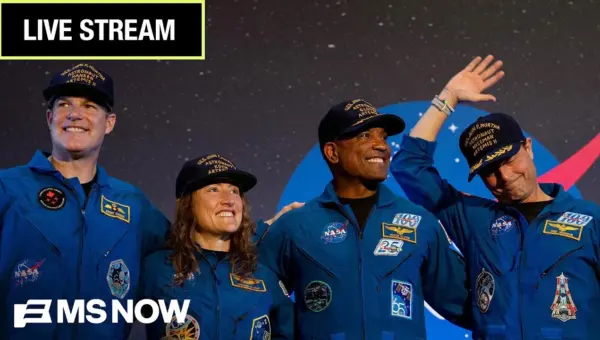
The Artemis II crew detailed their successful 10-day mission around the Moon during a press conference today. Astronauts shared awe-inspiring views and highlighted the exceptional performance of the Orion spacecraft. The mission's success provides vital data and momentum for future deep space exploration efforts.


Artemis II Crew Shares Deep Reflections After Historic Moon Flyby
The Artemis II astronauts shared profound reflections following their historic lunar flyby, detailing experiences that transcended photos and videos. They discussed unexpected emotional shifts, technical challenges, and the critical role of teamwork and communication during their deep space journey. The crew also offered advice to aspiring explorers, emphasizing resilience, lifelong learning, and collaboration.


Musk’s Security Bill Tops $3 Million Annually
Elon Musk's personal security expenses have surged past $3 million annually, covering a detail of 20 armed guards. This significant increase followed a serious security incident near Tesla headquarters, escalating from an initial team of two. The guards provide constant protection across all aspects of Musk's life.