Iran, US Near Deal Framework, But Full Agreement Looms
Iran and the U.S. are reportedly close to a framework agreement on critical issues, including Iran's nuclear program. While a breakthrough is anticipated, experts warn that a comprehensive deal will be a long and difficult process. Meanwhile, a fragile 10-day ceasefire in Lebanon, brokered with U.S. pressure, shows signs of strain.

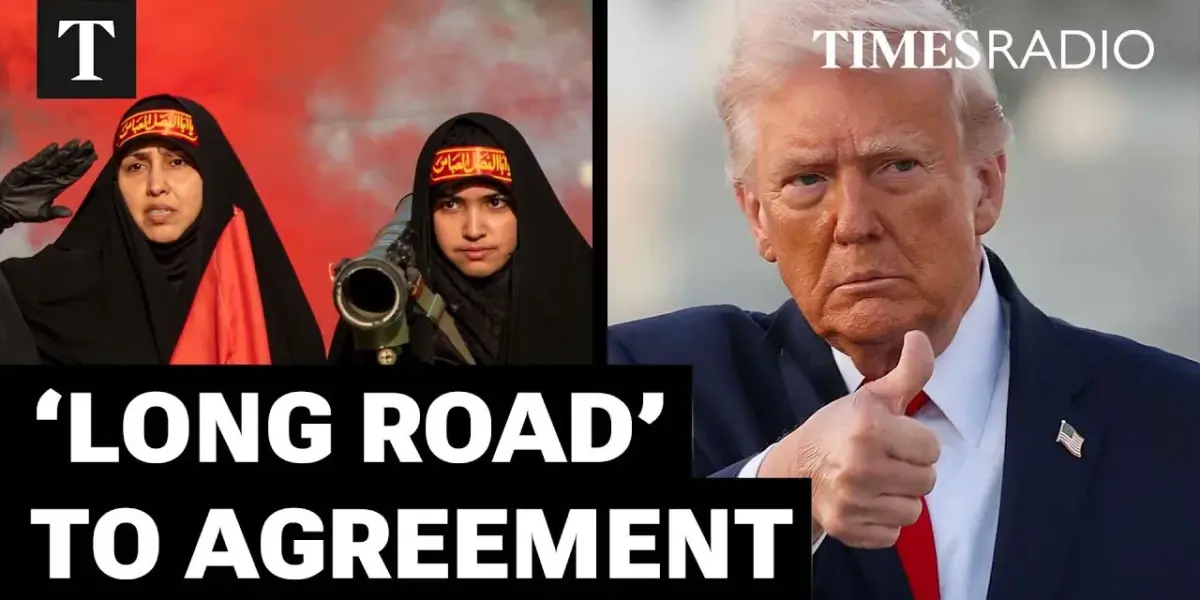
Iran and US Inch Closer to Agreement Framework
Negotiations between Iran and the United States are nearing a basic agreement, or framework, on key issues, including Iran’s nuclear program. However, experts caution that a final, detailed agreement will take a significant amount of time and effort.
The talks, which have involved multiple international mediators, aim to address complex issues such as Iran’s uranium enrichment levels and the release of frozen assets. This framework agreement is seen as a crucial first step on a long road toward a comprehensive resolution.
Ceasefire in Lebanon: Hopes and Concerns
A recent 10-day ceasefire in Lebanon, brokered with the involvement of U.S. President Donald Trump, has brought a temporary halt to hostilities. United Nations Secretary General Antonio Guterres welcomed Iran’s declaration that the Strait of Hormuz would remain open during this period, calling it a step in the right direction.
He stressed the need for all parties to respect international navigational rights and freedoms in the vital waterway. Guterres hopes these measures will build trust and support ongoing dialogue facilitated by Pakistan.
Despite these positive steps, Lebanon has accused Israel of violating the ceasefire shortly after it began. Israeli Prime Minister Benjamin Netanyahu stated that the conflict with Hezbollah is not over. He acknowledged that while Hezbollah is weakened, Israel still has plans to address ongoing rocket and drone threats, without providing specific details.
U.S. Pressure and Israeli Discontent
According to peace negotiator Nomi Barakov, U.S. President Donald Trump has exerted significant pressure on Israel to adhere to the ceasefire. Barakov suggests that neither the Israeli Prime Minister nor the opposition are satisfied with the current situation, feeling their goals have not been met. The ceasefire appears to directly contradict Netanyahu’s earlier statements, with Trump reportedly ordering Israel to cease fire in Lebanon in a very public manner.
This situation creates a delicate balance, with the future beyond the 10-day period uncertain. Barakov points out that what happens next largely depends on developments in Iran and the progress of its negotiations with the United States. The effectiveness and longevity of the ceasefire remain key questions.
Complex Negotiations and International Mediation
The path toward an agreement with Iran involves extensive and painstaking work by several nations, including Pakistan, Saudi Arabia, Egypt, Turkey, and Qatar. All parties are seeking an end to the conflict and greater stability in the region. President Trump is actively pushing for this outcome, with reports indicating he has personally engaged in direct communication with Iranian officials to reach an agreement.
A significant breakthrough reportedly involves an agreement on the fate of 440 kilograms of 60% enriched uranium, referred to as “dust.” This material is said to be buried deep underground. The proposed exchange involves Iran allowing access to this uranium in return for the release of $20 billion in frozen Iranian assets held in the U.S. This is seen as just the beginning of what is expected to be a lengthy and challenging negotiation process covering many issues.
Key Issues and Future Discussions
Iran has committed to keeping the Strait of Hormuz open for the duration of the ceasefire, which likely ties into the immediate financial concessions it is receiving. However, hundreds of billions of dollars in frozen assets and potential reparations for damages caused by Israel and the U.S. are still on the table. Future discussions must also address Iran’s nuclear and ballistic missile programs, as well as the critical question of uranium enrichment – specifically, under what conditions and to what extent Iran will be allowed to enrich uranium in the future.
These negotiations are highly complex, and while a framework agreement may be close, a comprehensive deal remains a distant goal. The parties will need considerable patience and perseverance to resolve all outstanding matters. Iran will also seek guarantees against future attacks, especially after having been targeted twice during previous negotiation periods.
Pakistan’s Leading Role in Peace Efforts
Pakistan is expected to continue playing a central role as the main mediator in these negotiations. With a long border shared with Iran and a proven track record of effectiveness, Pakistan is not just mediating but actively shaping the peace process. Its involvement is seen as critical for continued progress.
Looking Ahead: The Next Steps
The upcoming summit in Islamabad, with a large security presence, signals continued high-level engagement. While much of the detailed work will occur behind the scenes through back-channel negotiations, a formal meeting is anticipated.
The process requires patience as numerous issues still need to be resolved, including ensuring Iran’s security and preventing future hostilities. The stakes are incredibly high for all parties involved.
Source: Iran And The US Have Only Approached The ‘Framework’ Of An Agreement (YouTube)

Related Articles
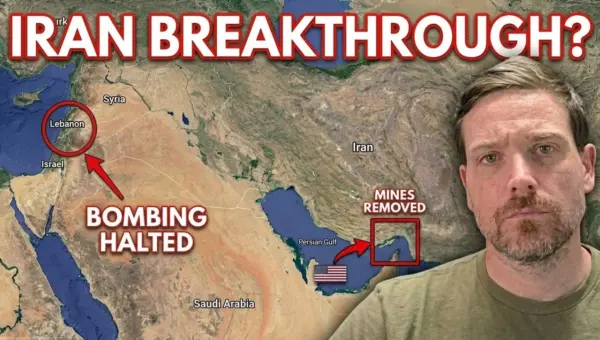
Trump’s Mideast Declarations Spark Hope and Doubt
President Trump's recent statements on the Strait of Hormuz, Iran's nuclear program, and the Israel-Hezbollah conflict have sparked both hope and skepticism. While Iran claims the Strait is open, conditions remain, and the true scope of any nuclear deal is unclear. The fragile Hezbollah ceasefire adds another layer of complexity to the region's volatile situation.

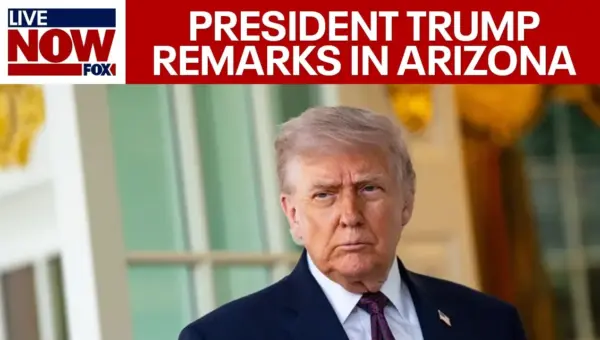
Trump Rallies Arizona Republicans, Hails “Open” Strait of Hormuz
Former President Donald Trump addressed a "Build the Red Wall" rally in Phoenix, Arizona, aiming to energize Republican voters for the midterms. The event highlighted "America First" policies and celebrated the reported opening of the Strait of Hormuz, which positively impacted financial markets and lowered oil prices.

Trump’s Hormuz Deal: Capitulation or Diplomacy?
Reports suggest a recent deal involving Donald Trump and Iran regarding the Strait of Hormuz has effectively given Iran significant control over the vital waterway. Critics argue this represents a major concession, while supporters claim it's a diplomatic achievement.