US Escalates Middle East Conflict: ‘No Boots on Ground’ a Dangerous Deception
The Senate's move to block war restrictions on Iran signals a dangerous abdication of oversight, enabling an undeclared conflict. This analysis explores the deception of 'no boots on the ground,' the exploitation of proxy forces like the Kurds, and the profound economic and human costs borne by the working class.

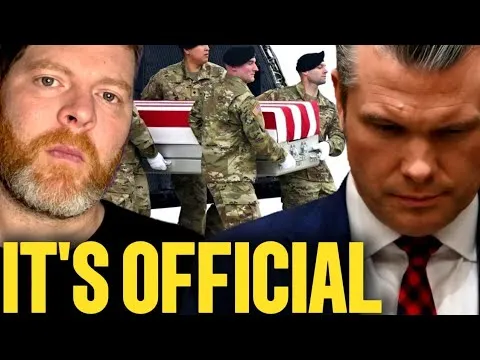
The Shifting Sands of War: A Deception of ‘No Boots on the Ground’
The current geopolitical landscape in the Middle East is characterized by a worrying spiral of escalating conflict, a situation that the current administration appears determined to frame as being “exactly to plan.” However, a closer examination reveals a growing chasm between official narratives and the observable reality on the ground, raising profound questions about strategy, accountability, and the very definition of war in the 21st century.
A key moment in this unfolding drama occurred when the Senate officially blocked legislative efforts to restrict the executive branch’s ability to engage in military action in Iran without explicit congressional approval. This move is far more than a procedural technicality; it represents a voluntary abdication of constitutional oversight by Congress. In essence, lawmakers have granted the administration a blank check to conduct warfare anywhere, at any time, bypassing the deliberative and restrictive powers intended by the nation’s founding document.
While some on the political right have celebrated this outcome, framing it as a strategic victory, the reality is more complex and ominous. As one observer aptly put it, “They didn’t declare war yesterday. They just permanently removed the emergency brakes.” This analogy highlights the critical distinction between declaring war and removing limitations.
A formal declaration of war, while carrying significant political risks for those who vote for it, imposes mandatory oversight and compulsory restrictions on the executive branch. Without these constraints, the military’s capacity for “total war” – a terrifying concept of unchecked, devastating conflict that no living person has truly witnessed – becomes a chilling possibility.
The Euphemism of ‘War in Name Only’
The persistent use of the word “war” by high-ranking officials, including the President, Secretary of Defense, and Secretary of State, is noteworthy. Yet, this terminology appears to be employed in a “war in name only” capacity.
An official declaration of war necessitates a public vote by members of Congress, a decision that carries the potential to end their political careers if the conflict falters. By blocking restrictions instead of declaring war, Congress sidesteps this accountability, aligning themselves with the administration while evading personal responsibility.
The economic implications of this undeclared conflict are also significant. Wall Street, deeply intertwined with the administration’s donors, has a vested interest in market preservation. A formally declared war would trigger international legal mechanisms, disrupt global treaties, and likely crash stock markets.
In contrast, “undeclared kinetic action” allows financial markets to continue functioning, albeit with increasing volatility, while military operations proceed. This strategy shields financial interests from the immediate fallout of overt warfare.
The ‘President of Peace’ and Broken Promises
The current situation stands in stark contrast to the campaign promises of an administration that ran on a platform of “no new wars.” The expectation was that the president would be a “president of peace.” A declared war in his name would represent a profound violation of one of his most significant campaign pledges. For many, the actions in the Middle East undeniably constitute a war, even if the formal declaration is absent. This disconnect leaves room for a segment of the population to cling to a belief that these actions, however damaging, are part of a divinely inspired plan.
Reports of military units employing language of “divine intervention” and “divine mandate” in their engagement in the Middle East add another layer of complexity and concern. This framing can be psychologically comforting to some, as it taps into familiar narratives of conflict in the region, allowing for compartmentalization of the horrors. However, the true burden of these conflicts, both financial and moral, ultimately rests on the shoulders of the American working class and the broader populace.
The Missing Link: Proxy Forces and the Kurdish Question
A critical element in understanding the administration’s strategy, particularly regarding the avoidance of direct “boots on the ground,” lies in the utilization of proxy forces. While air strikes and drone warfare are part of the arsenal, sustained conquest necessitates a ground presence.
The Pentagon is acutely aware that the American public would likely not tolerate the return of thousands of body bags from a protracted conflict. This has led to a strategic reliance on groups like the Kurds.
The CIA’s reported arming of the Kurds, a group with a long and often fraught history with the United States, presents a pivotal substitution for American ground troops. Historically, the US has engaged with the Kurds, often with promises that were later abandoned, leaving them vulnerable.
This pattern of engagement and subsequent betrayal, seen in 1991 and 2019, has fostered desperation among the Kurdish people. This desperation, in turn, is exploited by the US and its allies, such as Israel, who dangle the prospect of a sovereign Kurdistan as a geopolitical incentive.
Strategically, the creation of a US-aligned Kurdish state in western Iran could sever Iran’s land routes for supplying weapons to allies like Hamas and Hezbollah. For the Kurds, this represents a potential last opportunity to establish a homeland, making them highly motivated and battle-hardened proxies. However, as history has shown, particularly with the withdrawal from Afghanistan and the fate of those who aided the US, there is a significant risk that this alliance, like others before it, could end in abandonment.
A World War by Another Name?
The current conflict extends from Israel to the borders of Pakistan and India, a vast theater of operations. While not a declared World War by definition, the reality on the ground suggests a global impact.
The potential closure of the Strait of Hormuz and strikes on desalination plants in Gulf States could have catastrophic effects on global energy production, transportation, and the cost of goods worldwide. Americans, Europeans, Canadians, and Australians are all likely to feel the economic repercussions through rising prices, increased shipping costs, and potential new tariffs to fund military adventurism.
The burden of these escalating costs falls disproportionately on the working class, diverting attention from the human cost of conflict – the lives disrupted, families shattered, and dreams deferred for those caught in the crossfire. The political class and defense industry, however, remain insulated from these consequences, their interests protected.
The Unpopular Empire and the Path Forward
The current trajectory suggests a sustained period of inflation and supply chain disruptions, particularly in a global economy already teetering on the brink of stagflation or depression. While this may benefit defense contractors, it comes at the expense of the American populace, who are, as the argument goes, “harvested and deprived of the wealth that they were promised.”
The administration has effectively cleared the path for prolonged conflict, and any hope for de-escalation must now shift from government action to individual preparedness. The reality is that the United States is operating as an empire, however unpopular and contested that status may be, both domestically and internationally. This era demands a critical assessment of the true costs of prolonged, undeclared warfare and a clear-eyed understanding of who ultimately bears the burden.
Why This Matters
The deliberate obfuscation of the term “war” and the bypassing of constitutional checks and balances have profound implications for democratic accountability and the responsible use of military power. The reliance on proxy forces, particularly those in desperate circumstances, raises serious ethical questions and risks further destabilizing already volatile regions.
The economic consequences, while often framed in abstract terms, translate into tangible hardships for working families, exacerbating existing inequalities. Understanding these dynamics is crucial for citizens to hold their elected officials accountable and to advocate for policies that prioritize peace and stability over perpetual conflict.
Implications, Trends, and Future Outlook
The trend towards undeclared, proxy-driven conflicts, shielded from direct public scrutiny and congressional oversight, is likely to continue. This approach allows for sustained military engagement without the political or economic costs typically associated with formal declarations of war. The future outlook suggests a continuation of this pattern, with potential for further escalation in the Middle East and elsewhere, driven by a complex interplay of geopolitical ambitions, economic interests, and the strategic use of desperation.
Historical Context and Background
The history of US foreign policy is replete with examples of intervention, shifting alliances, and the use of proxy forces. From the Cold War to more recent conflicts, the US has often sought to project power indirectly, utilizing local partners to achieve strategic objectives.
The relationship with the Kurds, marked by periods of support followed by abandonment, is a stark historical precedent for the current dynamics. Understanding these historical patterns is essential for contextualizing the present situation and anticipating future developments.
Source: Yes, We Are At War: "No Boots on the Ground" is a Lie (YouTube)

Related Articles


Trump’s War on the Pope: A Risky Gamble for Catholics
Donald Trump's recent criticism of Pope Francis risks alienating Catholic voters, a key demographic for Republicans. Meanwhile, experts describe the ongoing Middle East conflict as a "colossal disaster," with Iran consolidating influence and geopolitical alliances shifting. This dual approach appears to be a risky gamble driven by political desperation and a flawed strategy.


Pakistan Ports Surge as Middle East Shipping Routes Face Risk
Pakistan's ports are experiencing a significant boom as cargo ships divert from the Middle East due to conflict risks and delays. This surge in activity offers a potential economic boost for Pakistan, though its long-term sustainability is under discussion.
House Speaker Blocks Iran War Vote, Budget Chaos Ensues
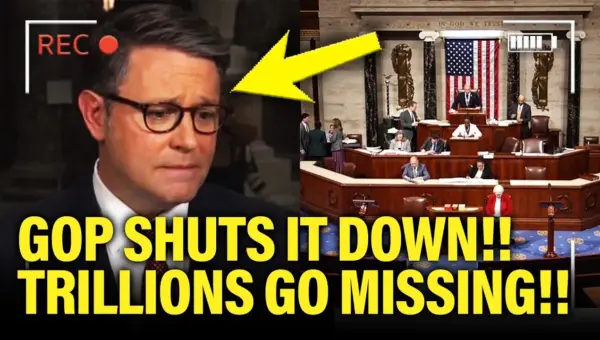
House Speaker Mike Johnson blocked a vote on a war powers resolution concerning Iran, drawing criticism for limiting congressional oversight. The debate highlights a lack of transparency in war spending, with officials unable to provide clear cost estimates. This, alongside ongoing budget disputes and concerns over surveillance, signals a challenging period for fiscal responsibility and democratic checks and balances.