China Benefits as US Gets Bogged Down in Global Conflicts
China may be benefiting from US involvement in global conflicts, allowing Beijing to focus on domestic priorities. Meanwhile, concerns are rising about China's aggressive espionage activities and the need for proactive defense measures. The discussion also touches on generational shifts in views on gender equality and the decline of small talk.

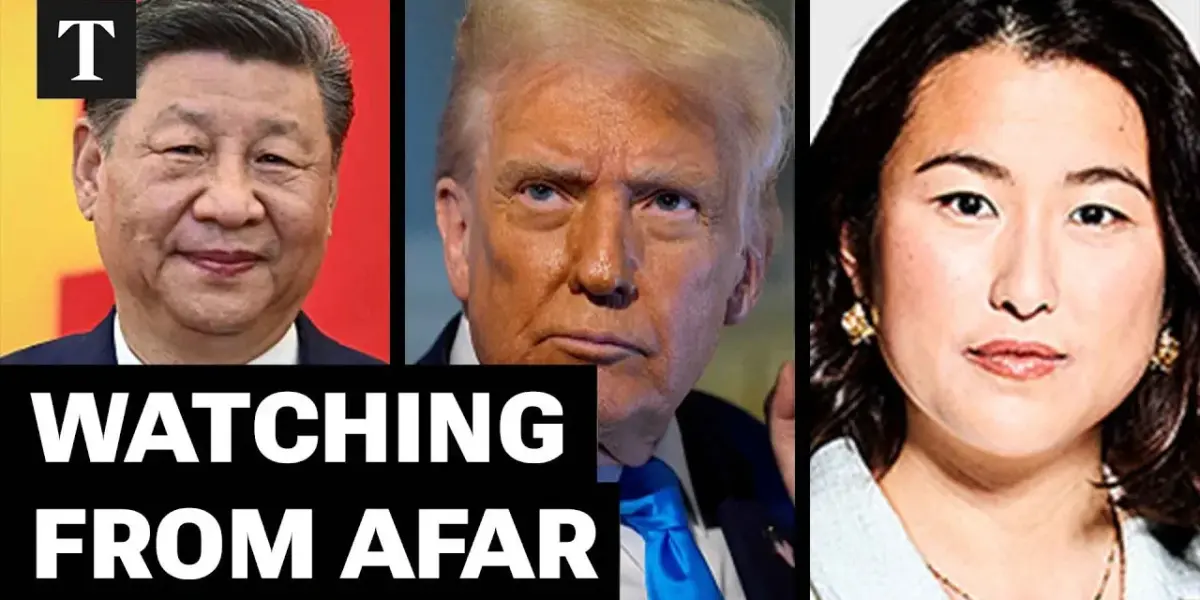
China Views US Entanglements as Strategic Advantage Amidst Global Instability
Beijing likely views the United States becoming increasingly entangled in global conflicts, such as those in Ukraine and the Middle East, as a strategic advantage, according to analyst Cindy Yu. This perspective suggests that while the US expends resources and attention on these crises, China can focus on its domestic priorities and economic development, particularly as it has recently announced a lower GDP growth target for the year.
Western Response to Middle East Conflicts: A Sign of Fractures?
The West’s response to the escalating situation in the Middle East has raised questions about its unity and effectiveness. Yu suggests that China observes these developments with interest, noting that America’s superpower status allows it to sustain prolonged involvement in foreign entanglements, a dynamic China appears content to let unfold. Regarding the UK’s response, Yu critically notes a perceived lack of swift and decisive military action, implying a diminished global standing.
Espionage: A Global Game China Actively Plays
The ongoing allegations of espionage involving China, including recent attention on a Labour MP’s husband, highlight a persistent concern. Yu asserts that espionage is a common practice among all nations, with China actively engaging in it worldwide.
She points to the CIA’s public recruitment efforts for Chinese informants as evidence of the reciprocal nature of intelligence gathering. The underlying motivation for such activities, Yu explains, is to acquire illicit information and gain insights into foreign leadership intentions and influence, a practice that can, paradoxically, contribute to maintaining peace by preventing unforeseen escalations.
Why China Targets the UK Symbolically
Despite the UK’s diminished economic importance post-Brexit, its symbolic standing remains significant for China. Yu argues that as a key ally of the US, a member of the UN Security Council, and a player in diplomatic, financial, and technological spheres, the UK retains considerable clout. China’s continued interest in the UK stems from a desire to avoid adversarial relations and maintain a degree of diplomatic face, highlighting the UK’s enduring geopolitical relevance.
Escalating Chinese Espionage and the Need for Proactive Defense
Former US Secretary of State Mike Pompeo has previously highlighted the extensive nature of Chinese infiltration and spying in the United States, with new counterintelligence cases reportedly opening every ten hours. This includes cyber espionage, theft of academic research, political influence operations, and economic espionage.
The consensus among defense and intelligence chiefs suggests a need for a more proactive and realistic approach from Western nations, particularly the UK, in countering China’s aggressive espionage activities. The assertion that “China is not our friend” and its transactional approach to relationships, even with allies like Iran, further emphasizes the need for vigilance.
Generational Shifts in Views on Gender Equality and Marriage
A recent study suggesting that younger men are more likely than older men to hold traditional views on marriage and disagree with gender equality has sparked discussion. While some express concern, others, including Cindy Yu, are skeptical of the survey’s methodology, questioning how the questions were framed and the cultural contexts of the countries surveyed. The discussion touches upon the progress of gender equality in the West compared to other parts of the world, where traditional views may still prevail.
The Backlash Against Feminism and the Rise of Men’s Rights Movements
The conversation digs into the potential for backlash against feminist movements, with the rise of figures like Andrew Tate being cited as an example. It is suggested that a perceived negative portrayal of men, particularly through the concept of “toxic masculinity,” may have contributed to a resurgence of men’s rights advocacy. The generational shift in perspectives on gender roles is also examined, with a distinction drawn between earlier waves of feminism and later arguments that have generated contradictions and, for some, a sense of alienation.
The Decline of Small Talk and Community Cohesion
The importance of small talk in building community ties and fostering happiness is a topic of considerable concern. The digital age and increased transience have led to a decline in casual social interactions, contributing to societal anomie and alienation.
The erosion of traditional community hubs like churches and pubs, replaced by more individualistic pursuits like gym memberships and shopping, is seen as a significant factor in this trend. The challenge of initiating meaningful, yet non-invasive, conversations in an increasingly disconnected society is highlighted.
Reviving Community Through Conversation
Experts suggest that while initiating conversations can be challenging, it is crucial for strengthening social bonds. Simple greetings like “How are you?” are often met with brief responses, while more direct questions might feel intrusive. The discussion highlights the need to find ways to re-engage in casual conversation to counteract the growing sense of isolation and rebuild community connections in an era marked by digital interaction and societal fragmentation.
Source: Why Trump’s Iran Strike Works in China’s Favour | Cindy Yu (YouTube)

Related Articles

China’s Stealth Radar Fuels Iran’s Air Defense Threat
Reports suggest China may be supplying Iran with advanced radar systems designed to detect US stealth aircraft. This potential transfer, if confirmed, escalates regional tensions and challenges existing air defense assumptions. The situation unfolds amidst ongoing US naval operations and a recent ceasefire in the region.

Iran Nuclear Talks: Can a Deal End Decades of Conflict?
Negotiations between the U.S., Israel, and Iran are underway amidst a fragile ceasefire, with the U.S. and Israel demanding the dismantling of Iran's nuclear and missile programs. Experts highlight the difficulty in resolving decades of conflict, noting that while a comprehensive peace is unlikely, concrete steps to manage differences may be possible.


Mystery Deaths Fuel Espionage Fears for US Secrets
A series of mysterious disappearances and deaths among US personnel with top security clearances has sparked fears of foreign espionage. Experts suggest these incidents, sharing disturbing similarities, could indicate a targeted effort to obtain sensitive nuclear and space information, posing a significant national security risk.