Iran Nuclear Talks: Can a Deal End Decades of Conflict?
Negotiations between the U.S., Israel, and Iran are underway amidst a fragile ceasefire, with the U.S. and Israel demanding the dismantling of Iran's nuclear and missile programs. Experts highlight the difficulty in resolving decades of conflict, noting that while a comprehensive peace is unlikely, concrete steps to manage differences may be possible.

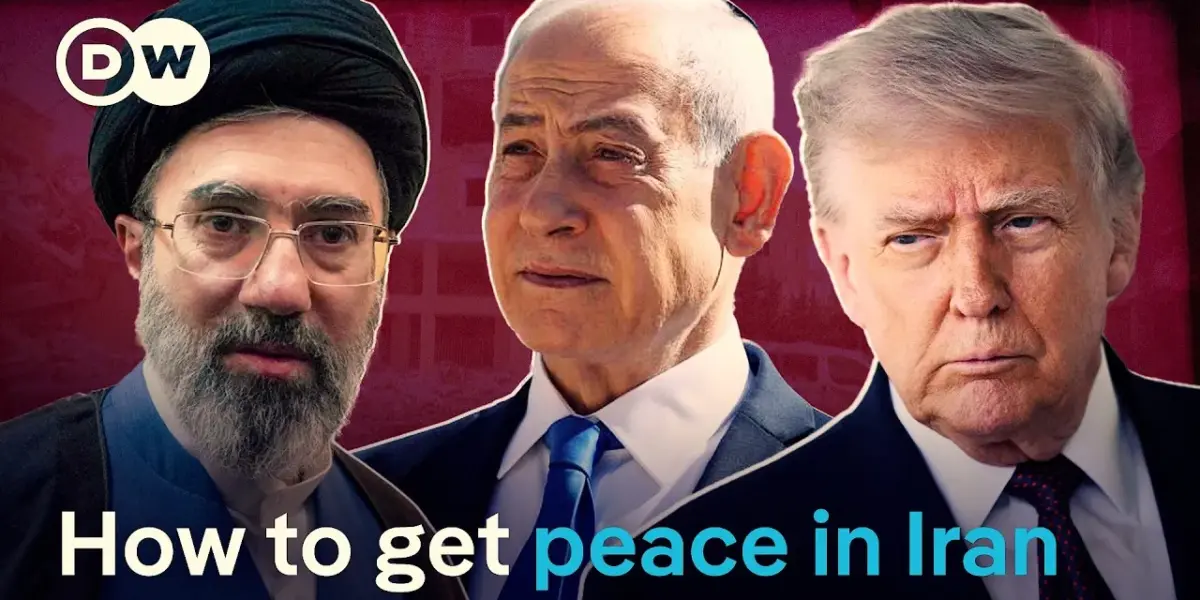
US, Israel Seek Nuclear-Free Iran Amidst Fragile Ceasefire
The United States and Israel are pushing for Iran to completely dismantle its nuclear and missile programs, aiming to prevent the world’s leading sponsor of terror from obtaining nuclear weapons. This hardline stance, however, clashes with Iran’s own objectives, leaving the prospect of lasting peace uncertain despite a fragile ceasefire.
Experts suggest that such maximalist positions alone are insufficient for resolving the core issues between the U.S. and Iran. Finding common ground requires understanding each nation’s specific wants, acceptable terms, and absolute red lines.
Iran’s Nuclear Ambitions and US Strategy
For decades, U.S. strategy has focused on preventing Iran from developing nuclear weapons, a threat Israel views as existential. While the U.S. has demanded Iran renounce all nuclear development, reporting suggests private U.S. demands have included a 20-year suspension of nuclear activity, indicating a potential area for negotiation.
Alisa Catalan Uers of the Council on Foreign Relations notes that while Iran’s nuclear program is significantly diminished, the knowledge cannot be entirely erased. “You can diminish it but you can’t eliminate it,” she stated, explaining that Iran views its nuclear program as a sovereign right and a strategic deterrent, even without weaponization.
Israel’s Objectives and Trump’s Calculations
Israel has actively targeted Iran’s nuclear capabilities, with objectives that differ from the U.S. approach. Israeli strategy has involved targeting key figures and disrupting Iran’s ballistic missile programs, which are seen as manageable goals.
However, Israeli Prime Minister Netanyahu faces different calculations from former President Donald Trump. The Trump administration, focused on avoiding prolonged Middle East conflict, may seek a resolution that allows for a declared success, a goal that is also personally important for Trump.
The Strait of Hormuz: Iran’s Leverage
The Strait of Hormuz, a vital waterway for global oil supply, represents Iran’s most significant leverage. Iran has used its strategic location to threaten passage, impacting global economic stability and projecting power far beyond its military might.
“I think a couple of things are going to be pivotal in this discussion,” explained one analyst. “One is a strait that can be held at risk by the Iranian regime… Is unacceptable to those who are in the region.” Both Gulf States and the U.S. cannot afford to see Iran exert greater control over this critical chokepoint.
Economic Demands and Sanctions Relief
Iran seeks reparations for war damage, the lifting of sanctions, and the unfrozen of foreign assets. The release of these assets, which were in place before recent administrations, could be a relatively straightforward aspect of any agreement.
Reparations for civilian infrastructure damage, however, are unlikely. “I cannot imagine a scenario where reparations are really on the table,” noted an expert, though they acknowledged Iran’s maximalist negotiating stance.
Challenges to Long-Term Peace
Achieving a comprehensive peace that resolves decades of animosity between the U.S. and Iran is incredibly difficult. “I do think that that is harder to imagine at this point, but that does not foreclose the possibility of achieving really kind of concrete steps to manage for those those many issues and differences that exist,” one analyst stated.
Upcoming elections in both the U.S. and Israel add political pressure, potentially limiting time for trust-building. The deep mistrust between the nations, fueled by accusations of deception and aggressive rhetoric, makes diplomatic progress a significant challenge.
The Path Forward: A Difficult Negotiation
The current situation presents a complex challenge for diplomats. While the Trump administration’s less detail-oriented approach might offer maneuverability, the fundamental differences between the U.S., Israel, and Iran create a precarious path forward.
Turning the current ceasefire into lasting peace will require navigating short-term political needs against long-term strategic goals. The Iranian people remain caught in the middle, facing potential renewed conflict and the consequences of a deal yet to be struck.
Source: Iran talks: Will there be a breakthrough? | DW News (YouTube)

Related Articles

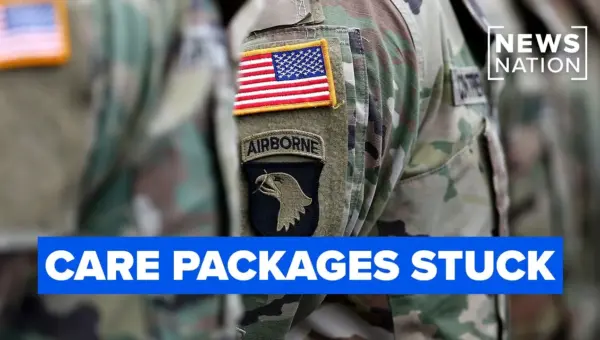
War Disrupts Vital Mail for Troops Overseas
Mail delivery to 27 military zip codes overseas has been temporarily suspended due to airspace closures and logistics related to the conflict in Iran. Families are unable to send care packages with much-needed snacks and toiletries, impacting troop morale. The U.S. Postal Service has no set date for when service will resume.

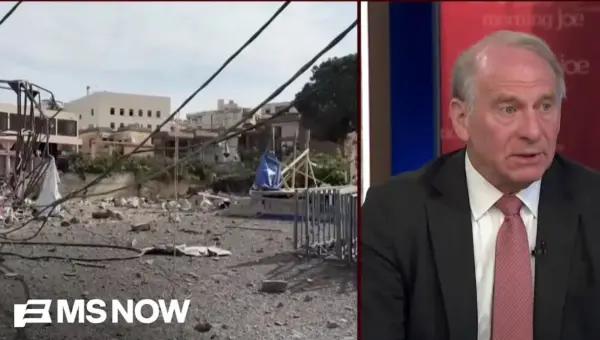
US Eyes Iran Deal Amidst Shifting Diplomacy and Key Variables
The White House is expressing optimism about reaching a deal with Iran to end the war, with mediators working behind the scenes. Key developments include a potential ceasefire agreement between Israel and Lebanon, though Hezbollah's exclusion is noted. Economic pressure through a blockade is seen as a significant factor, but major variables like President Trump and regional leaders introduce uncertainty.

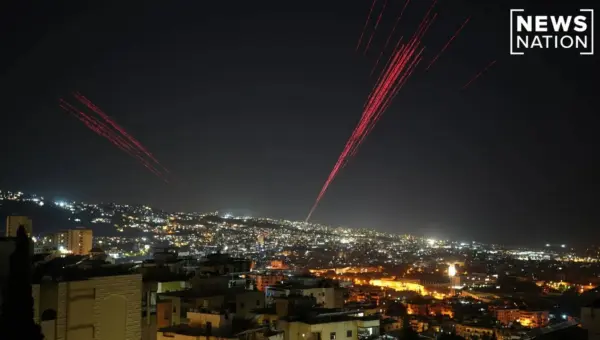
Beirut’s Cease-Fire Sparks Chaos, Not Peace
Despite a declared ceasefire, Beirut erupted in gunfire and explosions, signaling the immediate failure of peace efforts. The ongoing conflict highlights the complex control dynamics involving Hezbollah and Iran, casting doubt on Lebanon's path to stability.