US Military’s Missile Stockpile Dangerously Low After Iran Conflict
The U.S. military has significantly depleted its missile stockpiles during recent conflict with Iran, raising concerns about national security. Experts warn of a near-term risk of running out of ammunition in future conflicts, with some replacements taking up to six years.


US Military’s Missile Stockpile Dangerously Low After Iran Conflict
The United States, a nation that spends more on its military than many countries combined, may be facing a serious shortage of critical weapons. Recent reports suggest that the U.S. military has significantly depleted its stockpile of key missiles during a conflict with Iran. This reduction is so severe that experts warn it creates a near-term risk of running out of ammunition should a new conflict arise in the coming years.
According to analysis from the Center for Strategic and International Studies, the war with Iran has rapidly used up vital missile supplies. Over just seven weeks, the military used at least 45% of its precision strike missiles.
It also used half of its THAAD missiles, designed to intercept ballistic missiles, and nearly 50% of its Patriot air defense interceptor missiles. These numbers are based on internal defense department assessments and confirmed by sources familiar with the situation.
A Steep Price for Conflict
The depletion of these weapons is a stark indicator of the cost of modern warfare. The U.S. military has expended a significant portion of its inventory of essential defensive and offensive missiles.
This includes about 30% of its Tomahawk missiles, used for long-range attacks, and over 20% of its Joint Air-to-Surface Standoff missiles. The strain on supplies is clear, especially when considering the war had no clear end in sight.
Replacing these advanced munitions is not a quick process. Experts estimate it could take anywhere from one to six years to restock some of these critical systems.
This long lead time means that if another major conflict were to erupt soon, the U.S. could be in a vulnerable position. The chairman of the Joint Chiefs of Staff had reportedly raised concerns about these depleted stockpiles even before the conflict escalated.
Historical Context and Budget Questions
This situation raises questions about military spending and readiness. The U.S. boasts the largest defense budget in the world, yet it appears to be struggling with supply constraints.
While proponents of military spending often point to the need for a strong defense against global powers like China or Russia, this conflict highlights a potential weakness. The argument for increased military funding is often made, but the reality of depleted stockpiles after a regional conflict suggests a disconnect.
Some analyses suggest that a large portion of the defense budget may not directly translate into readily available warfighting supplies. Instead, funds might be directed towards expensive, long-term projects or benefit defense contractors. This raises concerns that the money spent might not be effectively addressing immediate strategic needs, such as ensuring sufficient ammunition for potential conflicts.
Differing Perspectives on the Conflict
The reporting on the conflict and its impact on U.S. military supplies has drawn varied reactions. Some outlets have highlighted the severity of the depletion, framing it as a critical issue for national security. Others, particularly those aligned with certain political viewpoints, have downplayed the concerns or attributed them to biased media coverage.
One perspective suggests that the U.S. military’s actions in Iran were a necessary and successful operation, and that reports of depleted supplies are exaggerated or politically motivated. This viewpoint often contrasts the current administration’s actions with those of previous leaders, emphasizing a perceived lack of courage in dealing with adversaries. The focus is on the perceived success of diplomatic and military strategies rather than the logistical consequences.
Why This Matters
The depletion of U.S. missile stockpiles is a significant issue with far-reaching implications. It directly impacts the nation’s ability to respond to future threats, whether from regional adversaries or major global powers. The long replacement times mean that a period of vulnerability could stretch for years, potentially emboldening enemies.
This situation prompts a crucial conversation about defense spending priorities. With a budget close to a trillion dollars, questions arise about whether the funds are being used effectively to ensure readiness. The reliance on defense contractors and the focus on large-scale projects may be coming at the expense of essential, readily available munitions.
Implications and Future Outlook
The current situation suggests that the U.S. may need to reassess its strategy for managing military supplies. Relying on extended conflicts to draw down stockpiles without a clear plan for rapid replenishment could be a dangerous gamble. The Pentagon is reportedly seeking additional funding from Congress to address these shortages, but the process of rebuilding supplies will be lengthy.
Looking ahead, the U.S. must consider the potential for a multi-front conflict. The readiness demonstrated in a war with Iran might not translate to a confrontation with a near-peer adversary like China.
The nation’s ability to project power and defend its interests depends on maintaining sufficient and accessible stockpiles of critical munitions. The ongoing conflict means stockpiles continue to be used, further extending replacement timelines.
Source: Trump PANICS as U.S. Military RUNS OUT OF AMMO?! (YouTube)

Related Articles

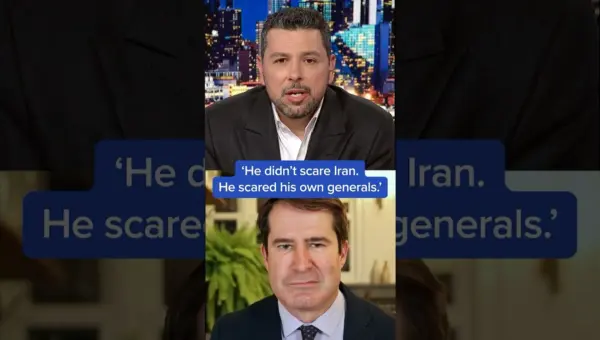
Generals Feared President’s Decisions, Not Iran, Says Ex-Lawmaker
Former Congressman Seth Moulton stated that President Trump's generals were more concerned about the president's reactions than Iran. He described them as trying to "hide the remote" and "clear the room." This suggests military leaders felt they needed to manage the president's decisions.


Veteran Sounds Alarm: Barksdale Base Faces Top-Tier Terror Threat
A veteran voices grave concerns over security at Barksdale Air Force Base, a known terrorist target. Recent drone incursions reportedly overwhelmed ineffective counter-drone technology. The base's vulnerability poses a high national security risk.


GOP Demands Answers on Vanishing Scientists, Mysterious Deaths
House Republicans are demanding answers from top U.S. agencies regarding the mysterious deaths and disappearances of nearly a dozen scientists and personnel with access to sensitive nuclear and rocket technology since 2022. Concerns about potential foreign interference are high as lawmakers call for briefings and threaten subpoenas.