Generals Feared President’s Decisions, Not Iran, Says Ex-Lawmaker
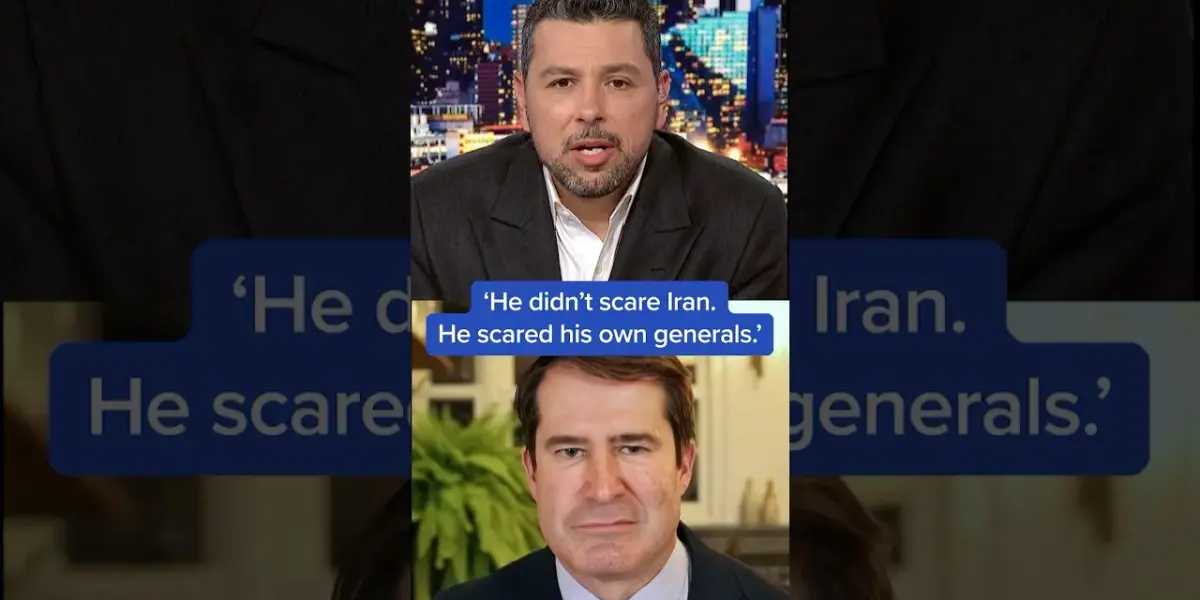
Former Congressman Seth Moulton stated that President Trump's generals were more concerned about the president's reactions than Iran. He described them as trying to "hide the remote" and "clear the room." This suggests military leaders felt they needed to manage the president's decisions.

Generals Feared President’s Decisions, Not Iran, Says Ex-Lawmaker
Former Congressman Seth Moulton, a Marine veteran, revealed that President Trump’s own generals were not worried about threats from Iran. Instead, they were reportedly more concerned about the president’s potential reactions and decisions. Moulton suggested this situation created an environment where top military leaders felt compelled to manage the president’s access to information and options.
Moulton, who served on the House Armed Services Committee, spoke about his observations regarding President Trump’s decision-making process. He stated that the generals were trying to control the situation by “hiding the remote” and “clearing the room.” This implies they were attempting to shield the president from impulsive choices or misinformation.
Concerns Over Presidential Decision-Making
The former congressman described a concerning dynamic during his time observing the White House. He felt the president’s generals were taking steps to manage the president’s potential actions.
This was not about managing threats from foreign adversaries like Iran. It was about managing the president himself.
“That’s not a good sign,” Moulton stated, emphasizing the gravity of the situation. He explained that when military leaders feel the need to actively manage their commander-in-chief’s exposure to sensitive information, it points to deeper issues. It suggests a lack of trust in the president’s judgment or temperament.
A Test of Military Leadership
Moulton’s comments highlight the immense pressure on military leaders serving a president. They must balance their duty to advise with the need to execute orders. When those orders are perceived as potentially harmful or ill-advised, the burden becomes even heavier.
The situation described by Moulton suggests a breakdown in the traditional advisory roles. Instead of presenting options and recommendations, generals may have felt they needed to actively curate the president’s reality. This is far from the ideal relationship between a commander-in-chief and his top military advisors.
Broader Implications for National Security
The dynamic described by Moulton raises serious questions about presidential decision-making during times of high tension. It suggests that the internal workings of the White House may have been more focused on managing the president than on confronting external threats.
This environment could potentially lead to miscalculations or delayed responses to critical international events. When generals are preoccupied with managing their own president, their focus on genuine national security threats might be compromised. This is especially worrying during periods of international instability.
Moulton’s Background and Perspective
Seth Moulton’s perspective is informed by his background as a Marine Corps veteran. He served multiple tours in Iraq. This experience gives him a unique understanding of military operations and the importance of clear, rational leadership.
His position on the House Armed Services Committee also provided him with insight into national security matters. His observations, therefore, carry significant weight. They offer a glimpse into the challenges faced by those serving in high-level government positions.
Looking Ahead
Moulton’s remarks serve as a clear reminder of the importance of stable and rational leadership. The effectiveness of a president’s decisions relies heavily on the quality of advice they receive and how they process that information.
Future discussions about presidential conduct and national security decision-making will likely consider these observations. Understanding how military leaders navigate such complex relationships remains a critical aspect of evaluating presidential performance.
Source: 'He didn't scare Iran. He scared his own generals.' (YouTube)

Related Articles
Judge Lets Trump Face Civil Lawsuits Over Jan. 6 Actions
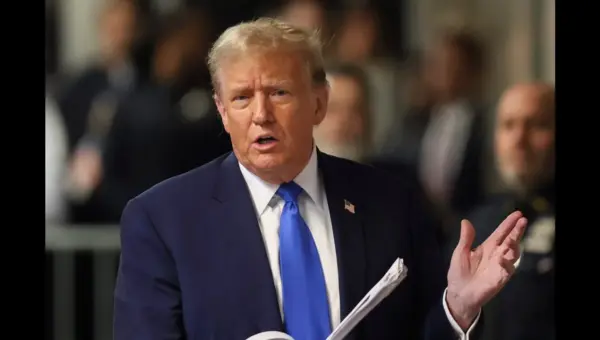
A federal judge has ruled that Donald Trump can be sued for damages related to his actions on January 6th, finding he was not acting in his official presidential capacity. This decision opens the door for civil lawsuits from police and lawmakers, potentially leading to significant monetary judgments.
Crypto Scammer Sues Trump Admin After Being Scammed
Cryptobillionaire Justin Sun is suing the Trump administration, claiming extortion. However, the situation involves alleged scams on both sides. Sun, who invested millions in Trump's World Liberty Financial, claims the company froze his assets after he refused to invest more, costing him millions. This lawsuit highlights the complex and often shady dealings within the intersection of politics and cryptocurrency.

Veteran Sounds Alarm: Barksdale Base Faces Top-Tier Terror Threat
A veteran voices grave concerns over security at Barksdale Air Force Base, a known terrorist target. Recent drone incursions reportedly overwhelmed ineffective counter-drone technology. The base's vulnerability poses a high national security risk.