US Commandos Seize Iranian Ship Amidst Escalating Tensions
U.S. commandos have seized an Iranian cargo ship after disabling its engines, with video footage showing the dramatic boarding operation. This incident follows Iran's alleged drone attacks on U.S. Navy ships and comes amid stalled nuclear negotiations and increased military activity in the Middle East.

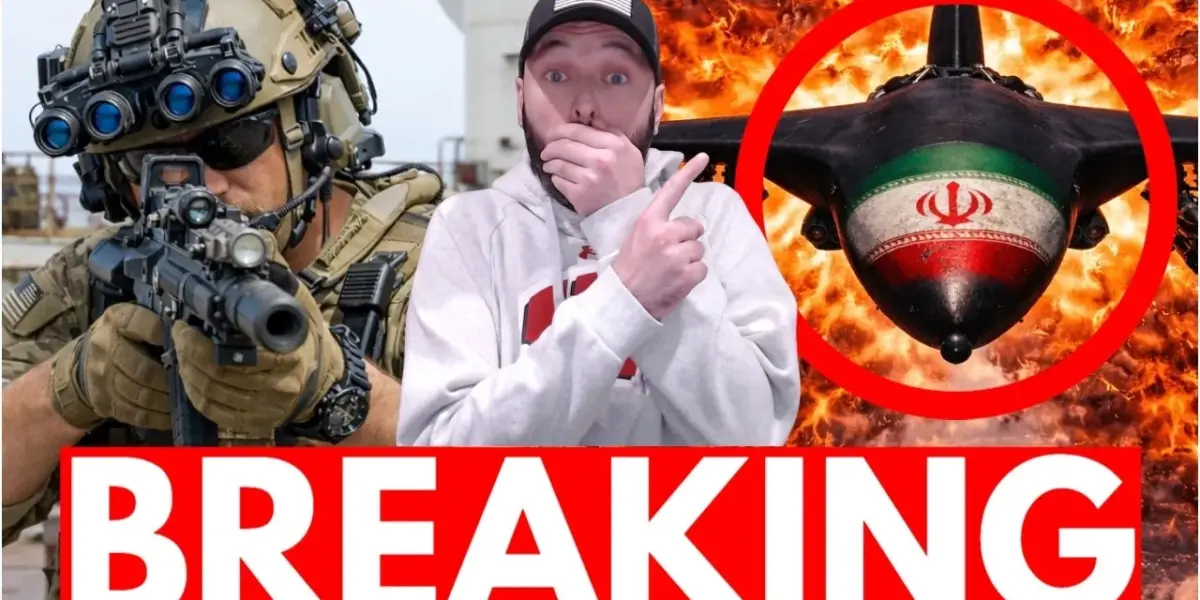
US Commandos Seize Iranian Ship Amidst Escalating Tensions
Dramatic video has emerged showing U.S. Marines boarding and taking control of an Iranian cargo vessel in the Arabian Sea. The operation followed a naval blockade by the U.S. Navy, which disabled the ship’s engine after it failed to heed repeated warnings. U.S. forces then used helicopters to deploy commandos onto the vessel, securing it under American control.
The incident, which occurred on April 19th, involved the guided missile destroyer USS Spruance disabling the MV Tusca’s propulsion. This action came after the ship ignored warnings for over six hours, attempting to break the established blockade.
U.S. Marines from the 31st Marine Expeditionary Unit then boarded the vessel, which remains in U.S. custody. The U.S. Central Command (CENTCOM) released footage of the operation, showing helicopters hovering over the ship and armed Marines rappelling onto its deck.
Iran’s Response and Regional Instability
In what appears to be a retaliatory move, Iran’s state-run Tasnim news agency, reportedly linked to the Islamic Revolutionary Guard Corps (IRGC), claimed that Iranian forces attacked U.S. military ships with drones. This alleged attack occurred in the Gulf of Oman shortly after the seizure of the Tusca. The report stated that the Iranian vessel was traveling from China to Iran.
While the accuracy of Iran’s claim of hitting U.S. ships with drones is unconfirmed, the mere attempt represents a significant escalation. U.S. military officials expressed confidence in the Navy’s defensive capabilities, stating that drones would be intercepted. However, any direct attack by Iran against U.S. naval assets in the region would signal a dangerous trend in already strained relations.
Wider Geopolitical Developments
The seizure and alleged Iranian response coincide with other concerning developments in the Middle East. Reports indicated significant fighter jet activity by Israeli forces over southern Syria, alongside jet activity over Iraq. The purpose and destination of these flights remain unknown, adding to regional uncertainty.
The U.S. military has increased its presence in the Middle East, with numerous shipments of resources arriving since a ceasefire began. This surge in military assets suggests a preparedness for potential renewed conflict, especially as a ceasefire deadline approaches. The U.S. embassy in Baghdad has also issued a Level 4 travel warning, urging U.S. citizens to leave Iraq immediately due to credible threats from Iranian-aligned militias, some of whom reportedly receive support from elements within the Iraqi government.
Stalled Negotiations and Future Outlook
Adding to the tension, recent statements from Iranian officials cast doubt on the progress of ongoing nuclear and diplomatic negotiations. Iran’s foreign ministry spokesperson stated that the transfer of enriched uranium stockpiles to the U.S. or any other country has never been on the agenda. This contradicts previous claims that a deal regarding uranium had been reached.
A senior Iranian official also told Reuters that Iran’s defensive capabilities, including its missile program, are not subjects for negotiation. These remarks indicate that key issues, such as enriched uranium and missile development, remain sticking points. Despite these challenges, an official U.S. government plane was reportedly en route to Pakistan, suggesting that diplomatic efforts, however difficult, are continuing.
Why This Matters
The direct confrontation at sea, coupled with Iran’s alleged drone attacks and the increase in military readiness across the region, highlights the fragile state of Middle Eastern security. The U.S. actions demonstrate a firm stance on enforcing naval blockades, while Iran’s response suggests a willingness to retaliate. The lack of clear progress in diplomatic talks, particularly on critical issues like uranium enrichment and missile programs, increases the risk of miscalculation and further escalation.
This situation matters because it directly impacts global energy markets, regional stability, and the broader geopolitical balance. The potential for conflict in a vital shipping lane and a region with significant global interests cannot be ignored. The U.S. military’s increased presence and heightened alert levels, alongside Iran’s defiant stance, create a volatile environment where any incident could quickly spiral.
Implications, Trends, and Future Outlook
The trend points towards increased confrontation rather than de-escalation. The U.S. has shown it is prepared to use force to enforce its policies, while Iran appears ready to respond assertively. This dynamic suggests that future interactions could involve more direct clashes, potentially drawing in other regional and international actors.
The future outlook for negotiations appears dim, given Iran’s firm positions on its nuclear program and defense capabilities. The upcoming expiration of a ceasefire further raises concerns about renewed fighting, potentially involving proxy groups and direct military engagement. The ongoing military buildup by the U.S. in the region signals a strategic shift towards deterrence and readiness.
Historical Context and Background
Tensions between the U.S. and Iran have been high for decades, particularly following the 1979 Iranian Revolution. The U.S. has long expressed concerns over Iran’s nuclear program and its support for regional militant groups. Iran, in turn, views U.S. military presence in the Middle East as a threat and has consistently resisted what it sees as foreign interference in its affairs.
Naval incidents in the Persian Gulf and Arabian Sea are not new. Both countries have previously engaged in actions involving maritime patrols, interdictions, and responses to perceived provocations. This latest event fits into a pattern of assertive actions and reactions that have characterized their relationship, often escalating and de-escalating over time.
Looking Ahead
As of April 20th, the situation remains highly fluid. The U.S. military continues to monitor the region closely, and diplomatic channels are reportedly still active, albeit strained. The coming days will be critical in determining whether this incident leads to further conflict or a temporary cooling of tensions.
Source: U.S. Commandos STORM Iranian Ship In Epic Video – Iran OPENS FIRE (YouTube)

Related Articles


US Actions Aid Putin, Fuel Iran Tensions, Analysts Claim
Analysts are criticizing recent U.S. actions, including seizing an Iranian ship and easing sanctions on Russian oil, claiming these moves benefit Russia and escalate Middle East tensions. Iran has vowed retaliation, jeopardizing planned peace talks, while oil prices have surged amidst the growing instability.


High Energy Prices Here to Stay, Expert Warns
High energy prices are expected to continue for the rest of the year, with no easy resolution in sight for the complex demands between the US and Iran. The economic fallout from this standoff will persist, impacting global markets and consumers.

Global Alliances Fray as Trump’s Policies Spark Outcry
Global allies are voicing sharp criticism of Donald Trump's foreign policy, questioning the value of U.S. military presence and demanding new security arrangements. From the Middle East to Europe, nations are re-evaluating their ties, with some considering significant shifts like currency diversification and even new geopolitical blocs.