Iran and US in Standoff: No Talks Seen, Escalation Possible
Neither Iran nor the United States is currently ready for serious negotiations, according to diplomatic and political experts. Both nations are focused on gaining leverage, creating a lose-lose situation. While one side believes the US is winning through economic pressure and military strategy, the other views it as a series of losses for both parties, with the urgent need to reopen the Strait of Hormuz.

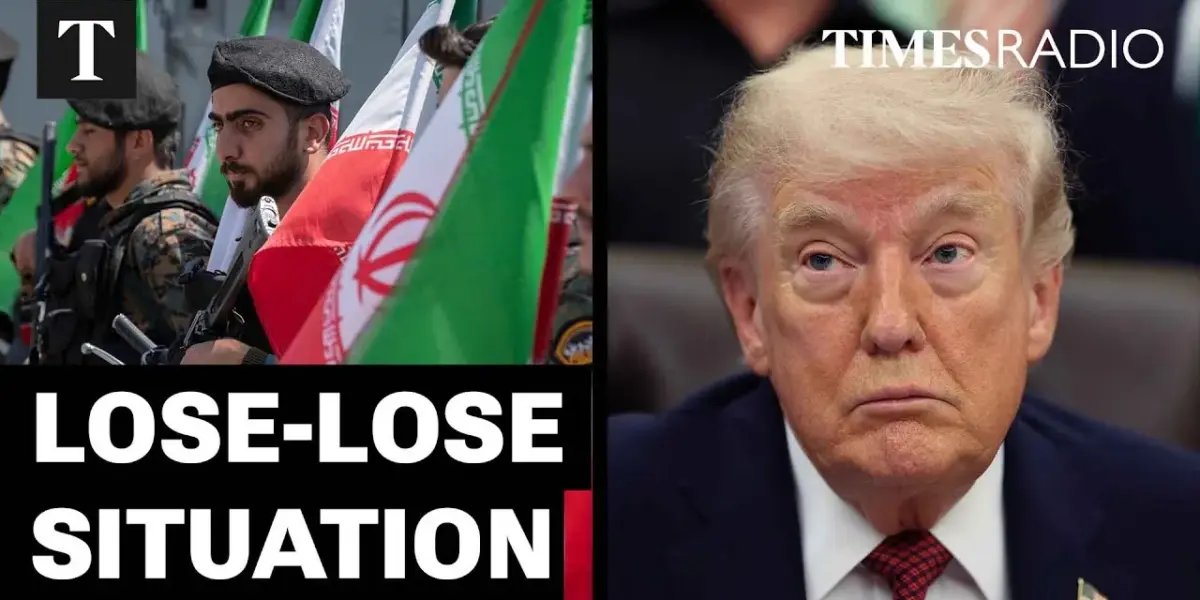
Strait of Hormuz Tensions: A Diplomatic Stalemate
Tensions between Iran and the United States remain high, with neither side showing readiness for serious negotiations. The current situation echoes the lengthy process of the Iran nuclear deal, which took five years to finalize.
During that time, the initial three years saw little genuine commitment to sustained talks from either party. Experts suggest a similar pattern is unfolding now, where both nations are more focused on gaining an advantage over the other rather than directly addressing their differences.
This creates a lose-lose scenario for all involved. Adding to the complexity, President Trump announced an indefinite ceasefire extension between Iran and the US, though the White House later clarified this would be for a shorter period of three to five days. Amidst this uncertainty, the Iranian Revolutionary Guard Corps announced plans to attack three ships in the Strait of Hormuz, further escalating regional concerns.
Differing Views on Who Holds the Advantage
The question of who is winning the conflict yields sharply different opinions. Matt Terrill, former chief of staff for Marco Rubio, believes the United States is currently winning.
He points to a three-phase strategy: full-scale military strikes, a blockade, and diplomatic pressure. Terrill argues that Iran is losing an estimated $500 million per day due to the economic blockade, making a deal more critical for the Iranian regime than for the US.
However, Alan Eyre, a US diplomat who served on the Obama administration’s negotiating team for the Iran nuclear deal, disagrees. Eyre states that neither side is truly winning, viewing the situation as varying degrees of loss for both. He explains that while the US will suffer from disruptions caused by a closed Strait of Hormuz, Iran will face severe economic consequences from the US Navy’s blockade.
The Economic Pressure and Nuclear Ambitions
Terrill emphasizes that the core issue remains preventing Iran from acquiring nuclear weapons. He believes the Iranian regime, particularly the IRGC, is mistaken in thinking time is on their side. Terrill suggests that President Trump is unlikely to compromise and may increase economic pressure or conduct further military strikes if Iran does not negotiate in good faith.
The blockade strategy, according to Terrill, has been effective in putting significant economic pressure on Iran, leading to massive inflation. He sees this economic pressure as mission-critical and a key part of the US strategy. The responsibility, he argues, lies with the Iranian regime to come to the negotiating table and engage honestly.
A Necessary War?
Eyre questions the necessity of the current conflict, highlighting that it has led to the largest energy supply disruption in modern history. He stresses the urgent need to reopen the Strait of Hormuz quickly and fully, regardless of the methods employed, whether through force or negotiation.
Terrill counters that President Trump has been clear from the outset that the primary goal is to prevent Iran from obtaining nuclear weapons or capabilities. He views the President’s approach as direct and transparent, utilizing a range of tools including economic and military options. Terrill suggests that Trump’s unpredictability in military matters can be an advantage.
Looking Ahead: Uncertainty and Potential Actions
The path forward remains uncertain. Terrill believes President Trump knows exactly what his next steps will be if Iran doesn’t negotiate. He reiterates that Iran needs a deal more than the US does.
While public opinion on the war may fluctuate, Terrill suggests that many Americans understand the objective, especially concerning the impact on gas prices. He anticipates that a resolution to the conflict could lead to lower fuel costs, which would be significant for upcoming elections.
Eyre concludes by agreeing with many of Terrill’s points but maintains that the war was unnecessary. He believes the focus must remain on reopening the Strait of Hormuz as swiftly as possible. The situation highlights a critical juncture where diplomatic solutions are stalled, and the potential for further escalation looms.
Source: Neither Iran Nor The US Are Ready To Negotiate | Alan Eyre (YouTube)

Related Articles

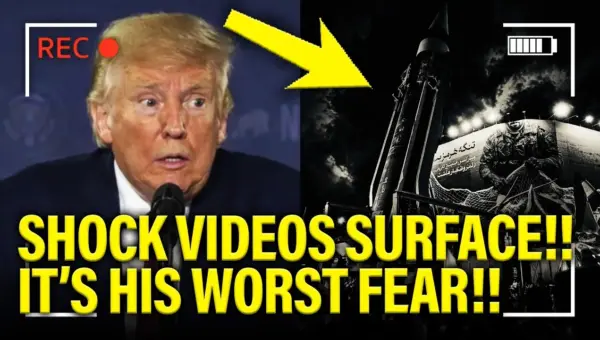
Iran’s Viral Takedown: How Memes Undermine Trump’s Image
Iran is employing a sophisticated digital strategy, using viral Lego videos and memes to mock Donald Trump. These animations criticize his policies, character, and foreign relations, aiming to undermine his public image globally. The campaign highlights the growing importance of information warfare in international relations.
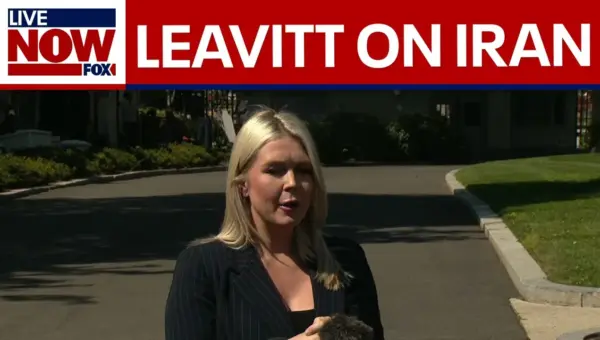
Iran Ceasefire Extended: US Tightens Economic Grip
The White House announced an extension of the ceasefire with Iran, but emphasized that economic pressure through a naval blockade continues. Press Secretary Leavitt stated the U.S. is 'strangling their economy' and awaits a unified response from Tehran amidst internal divisions. No firm deadline has been set for Iran's proposal.

Trump Claims Credit for Iran Releasing 8 Women Protesters
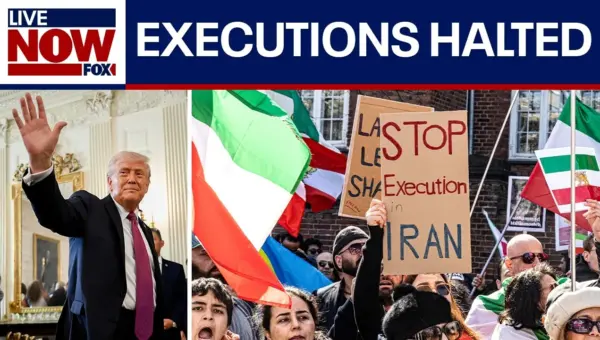
Former President Donald Trump announced that Iran has halted the execution of eight women protesters, stating his request as U.S. President led to the decision. Four women will be released immediately, while the other four will serve one-month prison sentences.